
By: Kandjengo kaMkwaanyoka
The US leadership just announced that countries in business with Iran will face a 25% tariff on trade with the US.
I have been following the US’ decisions since Mr. Trump took office for his second term and considered them bold and was never really bothered by a man who merely appeared to look out for his country’s interests.
Even when they invented their own formula to impose tariffs on countries exporting more to the US, I still viewed it from the perspective of national interests being protected.
However, following recent decisions, especially the one on Iran, I have come to the realisation that exporting to the US, regardless of its size, is just becoming too risky.
Hence, for African countries still grovelling for AGOA’s extension, I’m somewhat compelled to tell them to review their options.
Yes, I am not naive or ignorant of the importance of the US market, especially from the perspective of Kenya, Lesotho, and South Africa.
I just want to point out something the mainstream analysts and economists aren’t saying.
If you secure a market with the US, there are chances you will lose it any day if your country trades with a country they do not agree with at the governmental level for whatever reason(s).
They sanctioned countries that were buying Russian oil, and now they imposed a high tariff on those who are trading with Iran. All in the name of disliking the leadership in those countries and how they run their affairs.
There is no global consensus that those countries’ leadership is bad, it is merely the US’ opinion.
Countries such as India that were sanctioned for buying Russian oil could weather such threats through their economic muscles. But, the same can’t be said for African countries which stand to be squeezed by the imposed tariffs and sanctions.
That said, big-ups to Zimbabwe for surviving all these years under heavy sanctions.
For African countries begging for AGOA, are they prepared to cut trade with certain countries when told – or face high tariffs as a consequence? Or perhaps AGOA members will be immune?
I highly doubt so.
The tricky issue here is that companies that are exporting are not in charge of the political decisions of their countries, and they cannot control who their government engages with.
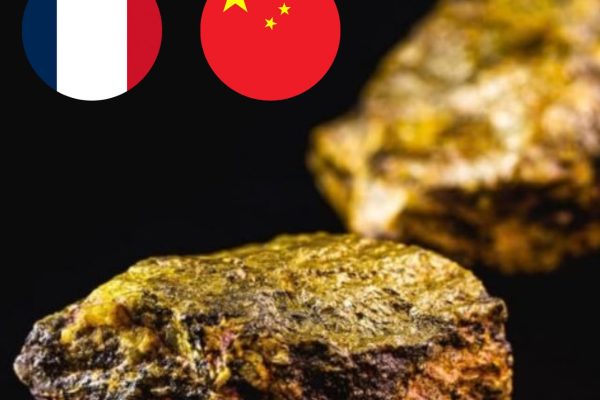
Namibia’s trade deficit with the US in the past 2 years was mostly because they needed our uranium, which we have no use for, and yet, we were not spared from the tariffs.
And if I can be ignorant for a bit, we didn’t beg them for their market; they actually need the resource for their reactors and nuclear weapons. In return, we just got some cents in taxes and employment.
With such a rationale, I don’t know if AGOA will be immune from Mr. Trump and his team’s decisions.
For local companies with substantial potential to trade with countries such as Iran and other countries that the US is not going to like, what do they do?
Will the US take up all their exports or will they have to stop producing while new markets are being discovered? What will the cost in revenue, employment, and the spillover effect be?
Thus, I say entering AGOA is becoming too risky, as one has to make various sacrifices and ensure that other trading partners are in the good books of the US.
Accessing the big US market is a blessing to many African producers, however, they should assess which other countries they are trading with and prepare for anything from the US leadership.
In other words, companies need to be looking over their shoulders and keeping their fingers crossed that their respective governments do not go into any relationship with countries that the US dislikes.
I truly think that is a lot to keep up with and too risky.
South Africa held naval drills with Russia, China, and Iran in the past weeks. Namibia’s International Relations Minister, in the same breath, held talks with her Russian counterpart, where uranium was reportedly also a topic.
With those developments, will these African nations be allowed to rejoin AGOA, or will they be required to sever their relationships with such states and focus on the US market?
Do they have bargaining power? How will their government respond to US exporters and those who want to do business with Russia, Iran, and China?
And why must they choose, why can they not trade with whichever nation they deem fit?
The questions are endless, and that is how risky AGOA is becoming, and African leaders are going to have headaches on what to choose.
Kandjengo kaMkwaanyoka is a policy and economic researcher from Okwalondo.