




By: Nghiinomenwa-vali Hangala
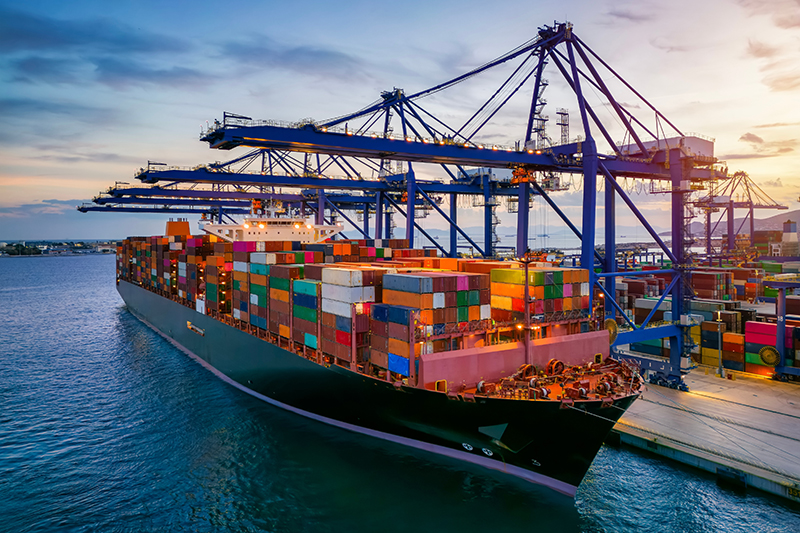
Namibian consumers have spent N$46.2 billion importing consumables over the past 5 quarters (2025 to Q1 2026), according to the merchandise account.
The Merchandise Account is part of the country’s Current Account and is compiled by the Bank of Namibia in its latest quarterly report for the first quarter of 2026.
The account shows that for the 5 quarters, starting from the beginning of 2025 to the first quarter of 2026, Namibia has spent N$148.5 billion importing merchandise.
Out of this, N$46,2 billion are consumer goods, leading imports, with around N$8.5 billion sent out every quarter to meet local demand.
Other imports are fuel and vehicles, which have all recorded N$5 to 6 billion expenditure quarterly.
This highlights the country’s dependence on imports for consumables.
The high imports also show the industrial gaps or opportunities for domestic entrepreneurs to do value addition locally for import substitution.
The country’s leaders have been preaching about value addition; however, to date the country has no national initiatives (incentives) to support large-scale manufacturing.
The last initiative was the Export Processing Zones Law, which was repealed las year.
This act was also not supportive of manufacturers who were producing for local consumption.
During the same period, the country has exported N$124.5 billion worth of goods, with raw minerals dominating exports.
Gold, uranium and other minerals dominate the raw minerals export quarterly.
The only manufactured goods captured by the merchandise account were polished diamonds and processed fish, which highlights the country’s industrial depth and why imports of consumables are high.
Namibia has a Growth at Home Strategy, which aimed to encourage local processing; however, the policy has struggled to entice local capital and entrepreneurs as it came with no support.
The Bank of Namibia noted in the quarterly report that the country’s merchandise trade deficit widened year-on-year as import growth outpaced export expansion despite gains in certain mineral and food categories.
The merchandise trade deficit increased by 9.7% year-on-year to N$9.0 billion because import payments grew faster than export receipts.
Specifically on trade, Namibia’s merchandise trade deficit widened year-on-year and quarter-on-quarter during the first quarter of 2026.
The trend continues as the latest monthly figures, for May 2026, show that Namibia’s exports amounted to N$12.4 billion, while imports were higher at N$15.5 billion.
Resulting in a trade deficit (a negative difference between the country’s exports and imports) of N$3.1 billion.
According to the Namibia Statistics Agency, this development reflects an improved trade balance when compared to a N$4.4 billion deficit recorded in April 2026.
The analysis of Namibia’s top trading partners revealed that China emerged as the country’s largest market for exports, while South Africa was recorded as the country’s main source of imports.
On the goods front, the country’s export basket for May 2026 was mainly composed of commodities from the mining sector, such as uranium, precious stones (diamonds), non-monetary gold and ‘nickel ores and concentrates’.
Fish was the only non-mineral product among the top five exports- this has been the same for all months for years now, as the country struggles to diversify its export basket.
erastu@thevillager.com.na