



By: David Shoombe
The United Nations Security Council Meeting on Natural Resources Governance has taken a stand in stopping the exploration of raw materials and promoting local beneficiation.
UN Chief António Guterres has stated that the growing demands in the critical minerals such as Lithium becomes a driving factor of illicit mining and fuels terrorism.
Guterres noted that the United Nations Security Council has recognised that illicit trade and exploitation of natural resources play a significant role in financing armed groups.
The act fuels conflicts and aggravates humanitarian crises, the UN found.
He pointed out conflicts in the Democratic Republic of Congo and Sudan, which have caused devastating humanitarian crises that impacted the majority of women and children.
The United Nations has indicated that it has made sure that its peace operations are supporting the national authorities in stopping the illicit trade of natural resources and preventing revenues from fueling violence.
He therefore noted that it is high time that developing economies be supported to benefit from their natural resources rather than becoming victims of exploitation.
The UN Panel on Critical Energy Transition is said to look into responsible investment, in-country processing and manufacturing, environmental standards and meaningful benefits of affected communities.
The call for the UN to end violence associated with illicit natural resources came one week after the European Union halted its buying of gold from Sudan due to violence associated with mining and exploitation.
According to the statement by the Council of the European Union on 14 July 2026, “The Council decided to adopt EU Restrictive measures concerning Sudan by introducing new sectoral measures targeting the war economy.”
The EU’s decision includes a ban on the purchase, import, or transfer of gold originating from Sudan.
The EU Council further banned the sale of mercury and cyanide, which is used in the extraction of gold.
African countries are struggling to strike a balance between maintaining revenues from mining, value addition, and detecting illicit mining.
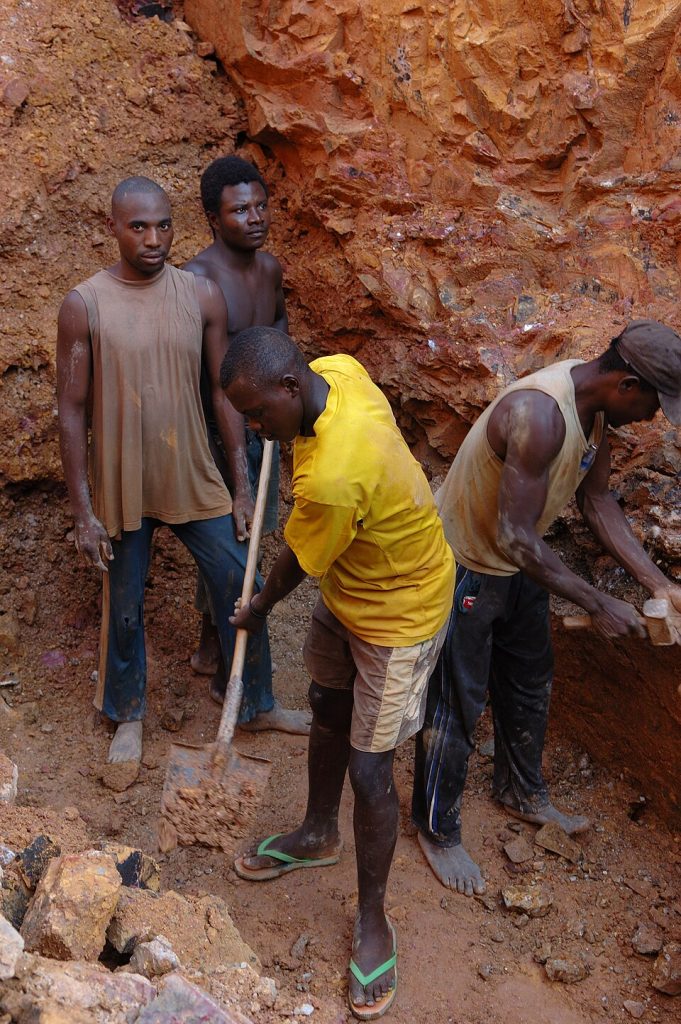
In May, an investigation in the Cameroonian mining sector showed that large percentages of illegal mines in Cameroon are owned by foreigners, after the government uncovered more than 200 illegal artisanal mining companies owned by foreign citizens.
Mining statistics show that Cameroon produced 953 kilograms of gold in 2023, but only 22.3 kilograms were officially exported. In contrast, importing countries reported receiving 15.2 tonnes (15,200 kilograms), nearly 680 times more.
The Ministry of Mines of Cameroon has indicated that out of these 200 illegal artisanal operations, more than 95% are foreign-owned firms run by Chinese nationals.
Authorities have called on these companies to immediately halt mining activities. This suggests that a large share of gold, particularly from artisanal mining, bypasses official channels and is diverted into informal networks.
It is reported that despite a new mining code adopted in 2023, corruption and the influence of powerful elites continue to hinder effective enforcement for the country to benefit from gold mining.