



By: Peneyambeko Jonas
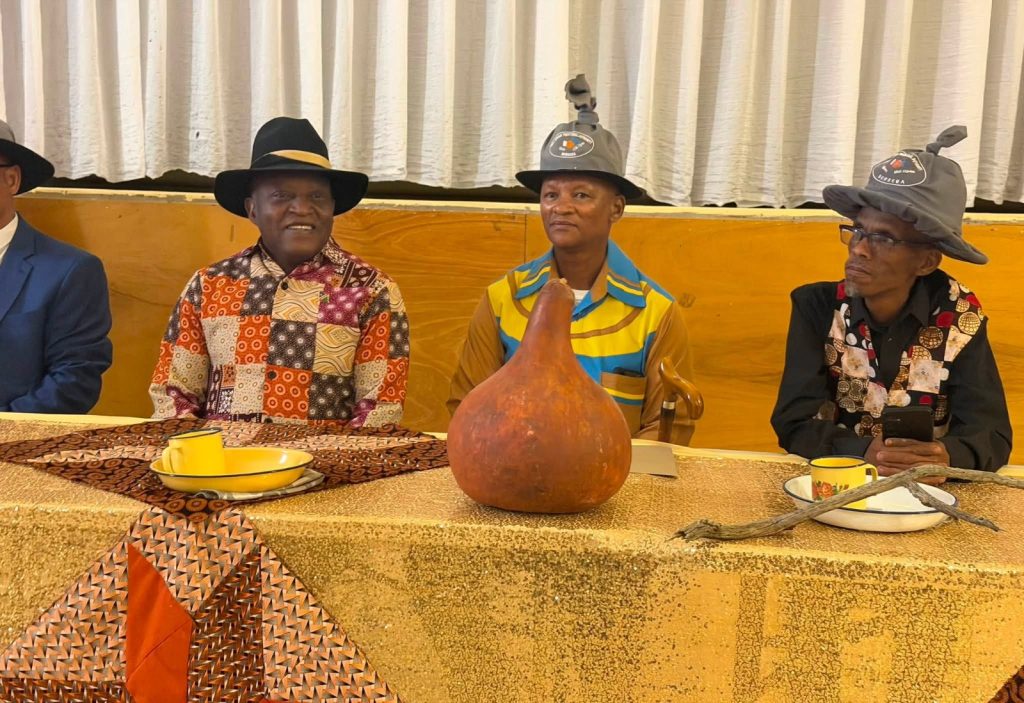
Beneath the sounds of traditional songs, the rhythm of horse hooves and the aroma of Nama tea, the /Khai-/Khaua Traditional Authority Cultural Festival this past weekend offered more than a celebration of identity.
Highlighting an increasingly important economic point: how culture creates livelihoods while preserving the heritage that defines communities.
Held in Mariental, the festival brought together traditional leaders, community members, artisans and visitors to celebrate Nama customs ranging from horse handling and traditional attire to skin-bag crafting and indigenous food preparation.
Across Namibia, cultural heritage is increasingly being recognised as a driver of tourism, entrepreneurship and employment, particularly in rural areas.
Studies by UNESCO and Namibian researchers have found that heritage tourism and cultural industries can generate income, create jobs and strengthen local economies while preserving indigenous knowledge.
Gaob-designate Michael Haman said cultural festivals should not be viewed as entertainment alone.
“When people come here, they are not only watching culture. They buy crafts, food, traditional clothing and local products. Every item sold represents income for a family. If we preserve our culture properly, it can become a source of economic opportunity for our people,” he said.
For many exhibitors, culture remains both an identity marker and a business opportunity. Local craftswoman Anna Isaacks, who displayed handmade skin bags and traditional Nama accessories, said demand for authentic cultural products continues to grow.
“Tourists want something real. They want to hear the story behind the product and understand our traditions. When young people learn these skills, they are not only preserving culture but also learning how to earn a living,” she said.
The festival also showcased traditional knowledge that has been passed down through generations, including livestock practices and indigenous food preparation techniques.
Community elders expressed concern that some customs risk disappearing if they are not documented and taught to younger generations.
Prime Minister Tjitunga Elijah Ngurare, who toured the exhibition, described the displays as a “classroom” of indigenous knowledge.
“These traditions tell the story of who we are as a nation. Young people must record them, preserve them and share them with future generations,” he said.
The festival comes at a time when Namibia is seeking new ways to diversify rural economies beyond agriculture and mining. Mariental, already a regional hub for agriculture, tourism and services, is strategically positioned to benefit from cultural tourism linked to Nama heritage.
Economic analysts argue that community-led heritage tourism can create value chains that benefit local residents directly through accommodation, guiding services, food production, transport and craft sales. However, they caution that communities must remain central beneficiaries of such initiatives.