


By: David Shoombe
The evaluation of the implementation of Namibia’s National Anti-Corruption Strategy and Action Plan (NACSAP 2021-2025) has found that Offices, Ministries and Agencies (OMAs) did not budget for said implementation.
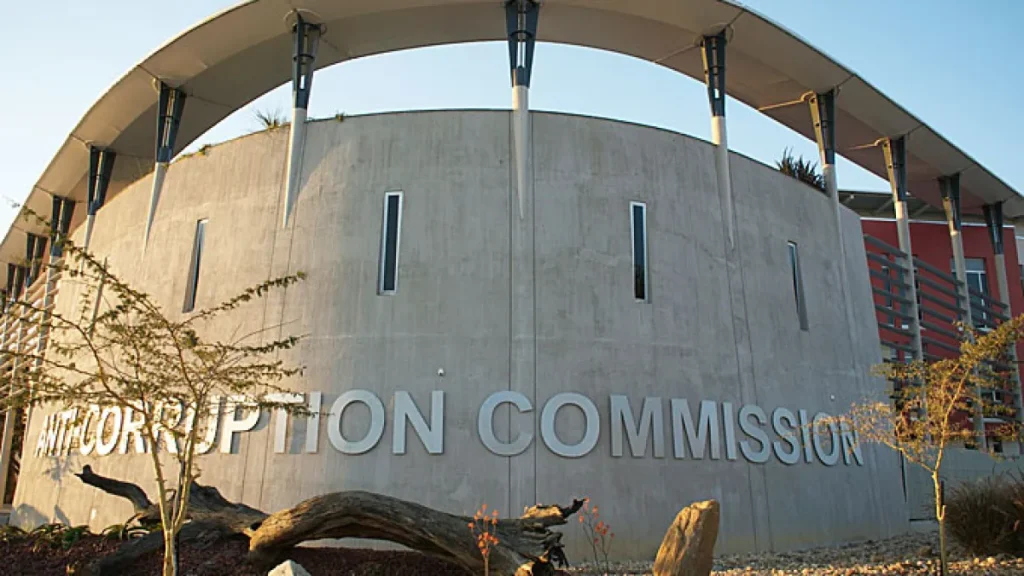
According to independent evaluation consultant, Laina Mbongo, this resulted in the Anti-Corruption Commission (ACC) having to do the heavy-lifting in fighting corruption with 0.17% of the national budget.
Mbongo highlighted that the evaluation’s findings indicate that only 23% of the respondents show completed implementation of the Plan’s strategic objectives, while 71% shows implementation in progress and 6% shows no implementation.
Adding on to the possible factors influencing the lack of full implementation, stakeholders expressed a “lack of trust in the ACC, perceived lack of independence, limited prosecution powers, delays, and impunity in some powers actors” may have contributed.
Mbongo revealed that OMAs did not dedicate a budget to the implementation of the national strategy, further noting that cluster members meant to aid with the strategy are often unknowledgeable as “Some of the senior members from OMAs delegate their juniors who are not briefed and have no clues on what they are supposed to do.”
Speaking at the evaluation, ACC Director-General Paulus Noa stated that “the political heads of institutions have shown their enthusiasm and commitment in the fight against corruption, and these findings will be used to form a third strategy moving forward.”
Commenting on the ACC being the least-funded institution in the national budget appropriation bill for 2026/2027 with an allocation of N$109 million, Noa stated that “the allocated funds are not sufficient to do as much as one wants to do.” He, however, noted that the ACC will make do with the availed resources, sharing optimism that the finance minister would allot more funds once available.
Also speaking on the day, Prime Minister Elijah Ngurare stated that the government has recognised the importance of good governance and the strengthening of systems and institutions in Namibia. Ngurare indicated that the ACC and institutions such as the Financial Intelligence Centre (FIC) and the offices of the Auditor-General and Ombudsman need to work together to share intelligence and combat corruption. To this, he remarked that corruption deprives citizens of opportunities and reduces national confidence in public institutions.
The United Nations Development Programme (UNDP) Resident Representative, Amanda Serumaga, shared that though there has been progress in fighting corruption, citizens still expected tangible change.
Serumaga added that Namibia’s corruption index stood at 46, the lowest since 2018 when it was 53, indicating increased corruption. The UNDP representative also indicated the Programme’s commitment to supporting the Namibian government in restoring trust and improving service delivery.