



By: Peneyambeko Jonas
Namibia’s tourism sector has once again been highlighted as one of the country’s most promising industries capable of driving economic growth, creating jobs, and uplifting rural communities.
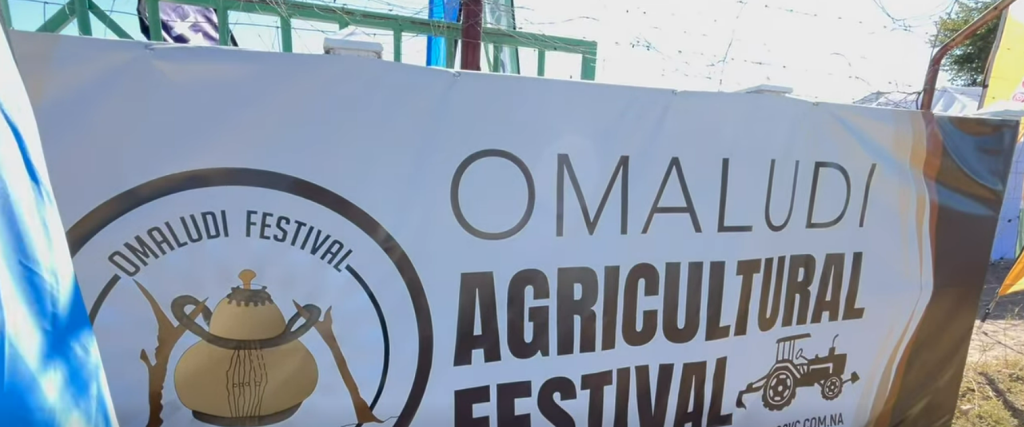
Noted leaders gathered at the Omaludi Agricultural Festival in Okongo, Ohangwena Region, who collectively highlighted how culture, tourism, and agriculture are critical to the building of an inclusive economic development.
“We must use tourism and culture to create jobs and improve the lives of our people in rural communities,” President Netumbo Nandi-Ndaitwah said during the event.
Local business owners and exhibitors also echoed the importance of tourism in supporting livelihoods. “Festivals like this help small businesses grow because visitors buy our products and learn about our culture,” said one exhibitor at the festival.
Speaking during the official opening of the festival, Nandi-Ndaitwah emphasised that culture, agriculture, and tourism must work together to support inclusive national development and strengthen local economies.
The President said Namibia possesses a unique cultural identity that can attract both local and international tourists seeking authentic African experiences.
According to her, visitors no longer travel only to see modern infrastructure, but rather to experience traditions, stories, food, music, and the lifestyles of local communities.
“Namibia’s rich cultural diversity remains one of our greatest national assets in growing both domestic and international tourism,” she said.
Her remarks come at a time when Namibia continues positioning tourism as one of the major contributors to economic transformation alongside agriculture, energy, logistics, manufacturing, and green industrialisation.
The President stressed that preserving cultural heritage should not be viewed as an obstacle to modernisation, but rather as an important foundation for sustainable development.
“One of the greatest mistakes any nation can make is to believe that development requires abandoning its identity,” she noted.
Events such as the Omaludi Festival have increasingly become important platforms for promoting rural tourism by showcasing traditional lifestyles, local products, agricultural activities, and indigenous knowledge systems.
Such gatherings also create opportunities for small businesses, vendors, transport operators, caterers, and accommodation establishments to benefit economically from increased visitor activity.
The festival further brought together government institutions, businesses, farmers, exhibitors, and young entrepreneurs, creating networking opportunities and exposing communities to economic possibilities linked to tourism and agriculture.
President Nandi-Ndaitwah also highlighted the importance of empowering young people to actively participate in emerging economic sectors. She encouraged the youth to take advantage of opportunities in entrepreneurship, innovation, and tourism development.
As Namibia continues expanding its tourism industry, rural areas are increasingly being viewed as strategic destinations capable of contributing significantly to national income. Communities in northern Namibia, rich in culture and tradition, have the potential to attract visitors interested in authentic cultural tourism experiences.
Meanwhile, Minister of Urban and Rural Development James Sankwasa warned that poor road infrastructure in rural areas continues to hinder economic growth and the transportation of goods and services.
Sankwasa said the upgrading of rural roads and infrastructure is necessary if tourism and business activities are to flourish in remote communities.
Poor accessibility remains one of the biggest challenges facing rural tourism development, particularly in villages and communal areas where many cultural and agricultural events are hosted.
Better roads and infrastructure would not only improve transportation, but also encourage investment, increase tourist arrivals and create employment opportunities for local residents.
Traditional leader Ester Nakale also reflected on the cultural significance of preserving Namibia’s traditions and honouring cattle herders who have historically played a vital role in sustaining communities.
Nakale explained that the Omaludi Festival was established to celebrate agriculture, education and culture while preserving the heritage of local communities.
She said remembering and honouring cattle herders is important because they continue protecting livestock, grazing areas and traditional livelihoods despite difficult conditions.
Nakale further emphasised the importance of conserving forests and grazing land, saying natural resources remain critical to both agriculture and cultural preservation.
Despite restrictions on livestock movement due to fears of the foot-and-mouth disease, the traditional cattle show was cancelled, yet the event still attracted exhibitors, businesses and community members from different areas.
Leaders at the event agreed that Namibia’s future economic success will depend largely on how effectively the country develops sectors such as tourism and agriculture while preserving cultural identity and empowering local communities.
With increasing global interest in cultural and community tourism, Namibia continues to position itself as a destination where heritage, tradition and economic development can coexist to benefit both present and future generations