


By: Nghiinomenwa-vali Hangala
Offices, Ministries, and Agencies (OMAs) receiving funds from the national budget will be prohibited from moving money earmarked for capital projects to operational expenditure.
The government made this announcement last week at the tabling of the National Budget.
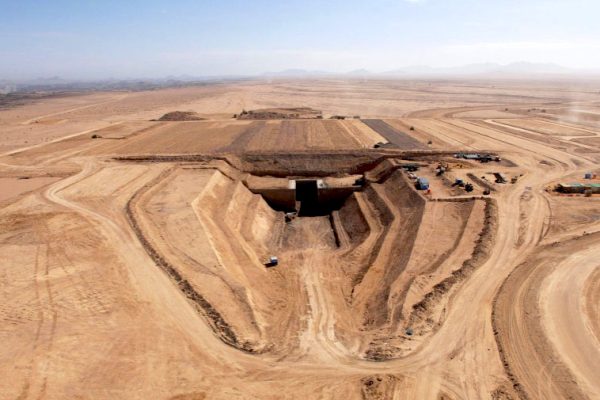
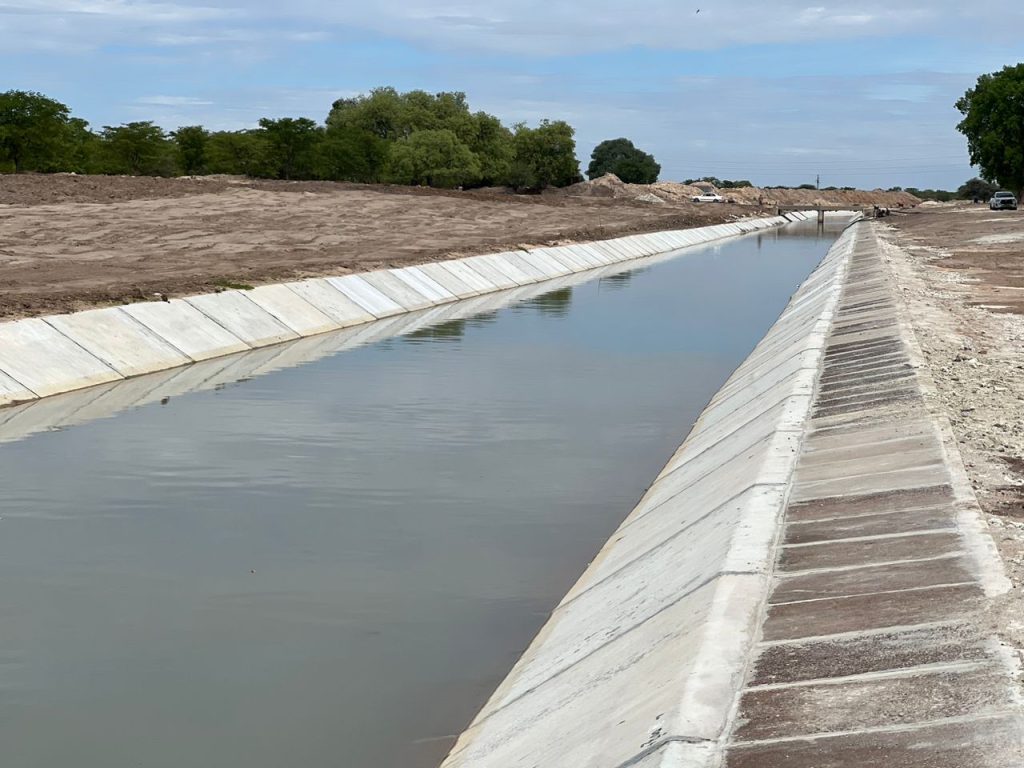
The Capital/Development Budget has been rocked by low execution and implementation, resulting in the country’s backlog of various infrastructures. As of September 2025, less than 30% of the N$9.7 billion capital budget was spent on the targeted infrastructure.
During her tabling of the National Budget, Finance Minister Erica Shafudah acknowledged the public dissatisfaction with the capital budget implementation. She said to strengthen public investment efficiency, the government is implementing targeted reforms to improve project preparation and execution.
One of the reforms is to enforce stronger development-budget execution, with the National Planning Commission (NPC) and the Ministry of Finance directed to prohibit virements from development to operational spending to safeguard capital allocations and ensure funds serve their intended purpose.
Shafudah added that the two bodies will introduce minimum project-readiness requirements before any project enters the Development Budget. This will include feasibility assessments, verified costing, procurement readiness, and clear implementation timelines.
To address persistent capacity gaps, the government will reinforce a central technical support function within the Ministry of Works and Transport to assist line ministries with project preparation, feasibility studies, and credible costing methodologies.
The development budget for FY2026/27 is set at N$6.5 billion for the state-funded developmental projects. Shafudah noted that the allocation is guided by the execution capacity of ongoing projects in the FY2025/26. This budget is also expected to receive N$4 billion in grants and loan-funded projects to improve infrastructure across various ministries.
For the following two fiscal years, FY2027/28 and FY2028/29, the ceilings are set at N$7 billion and N$7.7 billion, respectively. Shafudah has also stated that the government will adopt the Outcome-Based Budgeting (OBB) system across the government.
“In order to strengthen fiscal discipline and improve the effectiveness of public spending, the government will pilot – in selected Ministries – the Outcome-Based Budgeting (OBB),” she said.
The OBB shifts the focus from what OMAs spend to what they achieve. Under this reform, OMAs are expected to define clear, measurable outcomes aligned to national priorities.
Most of the capital projects will also be shifted to State-Owned Entities (SOEs) to mitigate the significant reduction in the development budget ceiling.
In addition, the government will embrace blended finance, public-private partnerships (PPPs), and private sector participation to deliver resource-intensive but strategically important infrastructure projects. This approach enables the government to harness private sector efficiency and funding while protecting fiscal space.