


By: Annakleta Haikera
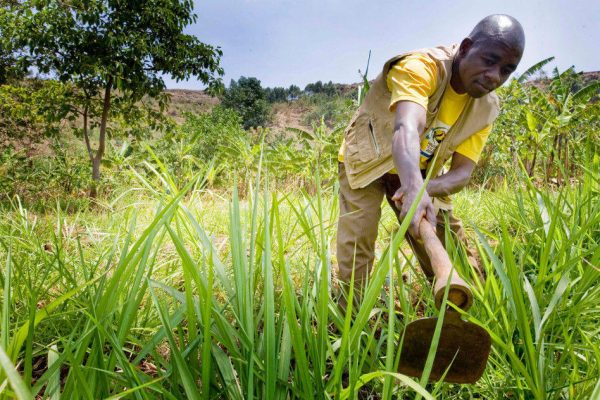
Kavango West Farmers Union chairperson, Johannes Hausiku, advised subsistence farmers, who mostly depend on the rainy season for food production, to take advantage of the rainfall and commence with ploughing.
According to Hausiku, farmers can continue using traditional methods such as ox-driven ploughing instead of waiting for tractors, which may take a while to reach all communities.
He said that relying only on hired machinery often causes unnecessary delays, putting farmers at risk of missing the planting window.
Hausiku added that the early and consistent rains of this year are a promising sign of a potentially strong harvest.
“If our farmers start now, we will see improved household food security and fewer families struggling during the dry season,” he noted.
Hausiku also encouraged an all-hands-on-deck approach, saying increased participation in farming is critical for improving food production in both Kavango regions. With that, he advised farmers to prepare their fields, ensure they have enough seeds, and plant early-maturing crop varieties that can withstand unpredictable weather patterns.
Moreover, Hausiku spoke to the importance of farmers working in groups, sharing equipment where possible, and helping elderly farmers who may struggle with field preparation. He also reminded communities to practice crop rotation to maintain soil fertility and reduce pests.
Meanwhile, The Villager spoke to subsistence farmers in both Kavango regions.
Christina Kulipi (65) from Kavango West said, “The early bird catches the worm,” explaining that she has already begun saving up to buy fertiliser and mahangu seeds for when heavier rainfall comes.
Another small-scale farmer, Julius Hamutenya from the Kavango East region, said, “The rain is better this year compared to last year. Hopefully, this year there will be a better harvest than last year.”
Several subsistence farmers said the previous seasons had been especially difficult. Yields were unfavourable, traditional seed stores (known as “mantora” in some communities) failed because of drought, and often there was nothing to save for the next planting season.
Farmers told The Villager that with the early rains, they feel optimistic.
One resident of a village near Musese in Kavango West said that “the harvest of all types of crops looks promising,” following the start of the rainy season.
According to reports obtained, the Kavango regions are predominantly home to subsistence farmers who rely almost entirely on rainfall for food production.
Most families cultivate crops such as mahangu, sorghum, maize, pumpkins, and groundnuts, using traditional ox-driven ploughing methods.
Because irrigation infrastructure is limited, the timing and amount of rainfall directly determine the success or failure of the farming season.