

By: Nghiinomenwa-vali Erastus
An assessment has positively determined that it is commercially viable for the country to competitively produce ammonia and fertiliser near the dormant Neckartal Dam.
A framework is currently being developed to operationalise the feasibility outcomes.
This was revealed by the Namibia Green Hydrogen Programme (NGH2P) on their 3rd traction report, the Namibia Green Hydrogen Mid-Year Review 2025 released yesterday.
The Neckartal Dam Fertiliser Green Scheme Feasibility study has revealed that establishing a competitive ammonia and fertiliser production plant near Neckartal Dam is commercially possible.
Moreover, it aligns with the dam’s original agricultural purpose, and will reduce external dependence on fertilizer.
“Local production would reduce fertiliser imports, enhance food security, and support agricultural exports,” the report read.
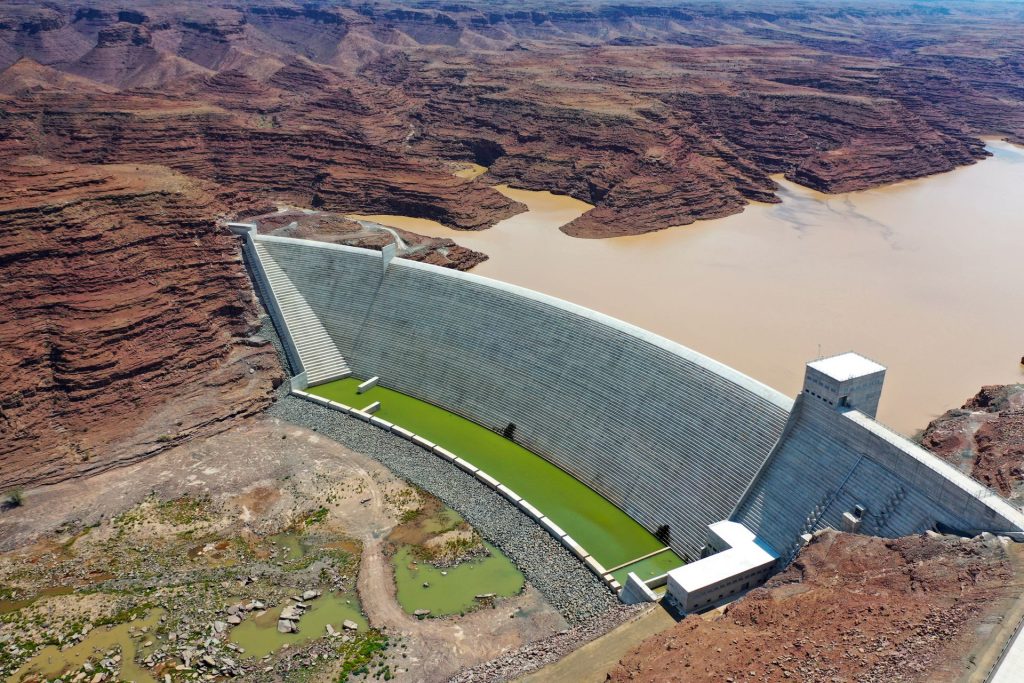
The Neckartal Dam is the biggest dam in the country and has been holding water for evaporation purposes mostly, as the government has not established any agricultural activities yet, despite acquiring land around it.
The dam is also one of the biggest public infrastructural investments in the country, built with borrowed money, that the country is repaying despite it not generating anything.
According to the Green Hydrogen Mid-Year Review 2025 the Neckartal Dam ammonia and fertiliser production is part of the feasibility studies that were facilitated by NGH2P.
The other two are Gigawatt-Scale Green Hydrogen Plant and Offshore Wind feasibility studies.
The three pre-feasibility studies were conducted with a N$2.5 million budget to conduct mobilisation through the NGH2P, the report stated, adding that the three studies have now been completed, and NGH2P is currently developing a framework to operationalise their outcomes.
Moreover, as agriculture is one of the key priority areas of the current administration, the green hydrogen sector has been piloting fertiliser production at the Daures Green Hydrogen Village. According to the mid-year review from NGH2P, the pilot is now 100% complete, and has secured additional funding to produce green ammonia for fertiliser synthesis.
The 15,000-hectare Daures project aims to supply up to one-third of Namibiaʼs fertiliser needs during its pilot phase.
It is supported by €13.8 million (N$2.3 billion) in funding, and integrates solar, wind, water, and housing infrastructure in its production.
The government is yet to announce the progress in developing agricultural schemes around the country’s biggest body of water ever since it started purchasing land around dam.