




By: Peneyambeko Jonas
Crime does not occur in a vacuum.
In most cases, people are drawn into criminal behaviour by harsh social, economic, and psychological realities rather than a deliberate desire to break the law.
Thus, we shouldn’t look at criminals and ex-convicts in isolation, but rather take time to look at the root cause of someone’s conviction.
Understanding these causes and what happens after incarceration is essential if Namibia is to reduce crime and build safer communities.
Poverty and unemployment remain among the strongest drivers of crime. When individuals struggle to meet basic needs such as food, shelter, and education, desperation can push them towards theft, robbery, or fraud.
Long-term unemployment, particularly among young people, breeds frustration, hopelessness, and anger; conditions that make criminal behaviour more likely. Limited access to education and skills training further narrows lawful opportunities, making crime appear to be the only option.
Substance abuse also plays a significant role. Alcohol and drug use impair judgement, reduce self-control, and increase aggression. Many violent crimes are committed under the influence of alcohol, while drug addiction often leads to repeated offending to sustain the habit.
Family breakdown, peer pressure, unresolved trauma, and untreated mental health challenges further increase vulnerability, especially among those growing up in unstable environments.
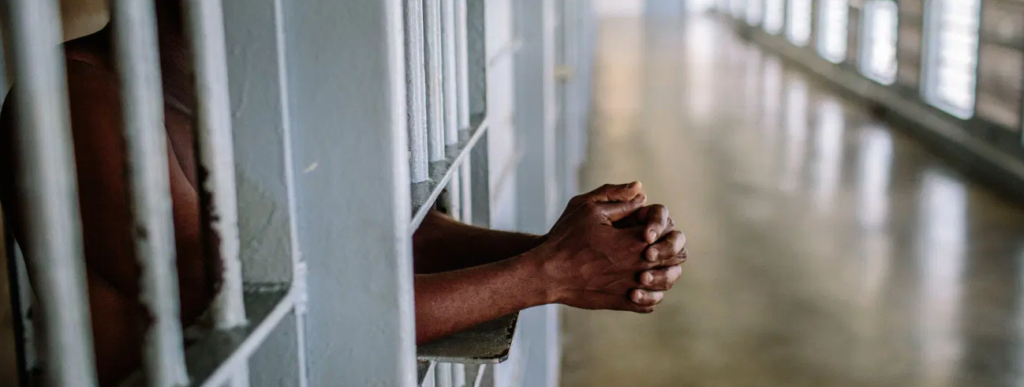
However, the punishment of imprisonment does not end crime. In many cases, it deepens the struggle.
This reality is powerfully reflected in testimonies shared on The Ex-Convicts Diaries show on Eagle FM.
Former inmates such as Ninja Paulus, who served more than 25 years in a correctional facility for murder, Jesaya Paulus, who also spent 10 years incarcerated for murder, and Elias Tomas, who served 14 years for bank robbery, all speak openly about the harsh realities of life after release.
According to these ex-convicts, starting a new life after incarceration is far from easy.
Stigma remains one of the biggest barriers.
Society continues to define them by their past mistakes, labelling them as criminals even after they have served their sentences. This stigma often leads to rejection, loss of dignity, and exclusion from opportunities meant to help them rebuild their lives.
Unemployment is another major challenge.
Several employers are unwilling to hire individuals with criminal records, regardless of their skills, qualifications, or willingness to change. Without employment, ex-convicts struggle to meet basic needs, increasing the risk of reoffending. Housing insecurity further worsens the situation, as some families refuse to accept returning relatives, and landlords deny accommodation to former offenders.
The psychological effects of imprisonment are also profound.
Years spent in correctional facilities can result in trauma, anxiety, and difficulty adjusting to independent life. Broken family relationships, shame, and a lack of counselling or reintegration support leave many ex-convicts isolated and vulnerable.
These realities highlight a dangerous cycle. People return to crime not because they want to, but because society offers them no alternative. Breaking this cycle requires a shift from punishment alone to rehabilitation and reintegration. Rehabilitation must begin inside correctional facilities through education, vocational training, and life-skills programs.
The Namibian Correctional Service (NCS) implemented some of the programs inside correctional facilities, but what happens after release? Who takes over to help them start a new life?
Most importantly, society must change its attitude.
As the voices from The Ex-Convicts Diaries remind us, people can change. When we reject ex-convicts, we increase their risk of reoffending.
When we support them, we protect our communities, reduce crime, and restore human dignity. Giving someone a second chance is not a weakness. It is smart justice, offering hope to be a better citizen.
Peneyambeko is the author of Now That I Know Better, I Will Do Better. She is also the host of The Ex-Convicts Diaries. To contact her for the book or further engagement, you may reach her on: +264 81 719 7520.