
By: Nghiinomenwa-vali Hangala
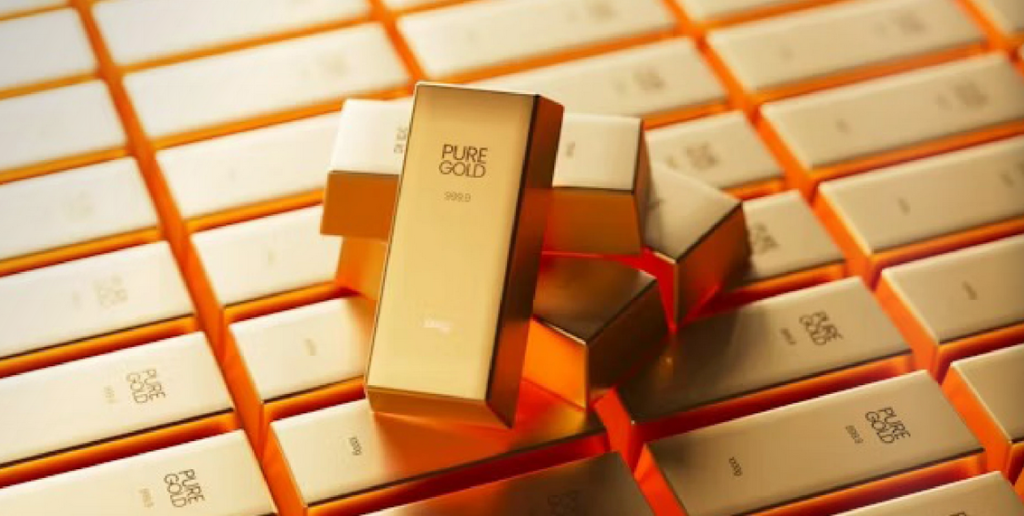
The Bank of Namibia acquired 8,573.52 ounces of gold, valued at approximately N$568.1 million as at 3 August 2026.
The gold was acquired as an alternative reserve for the country.
According to the Central Bank’s presentation last week, it has sourced its gold directly from a domestic producer since April 2026 and refined it through an accredited refinery, which is in South Africa.
The Central Bank indicated that it has developed a structured gold acquisition framework grounded in international best practice and supported by engagements with fellow Central Banks to strengthen Namibia’s official reserve assets.
“The bank will prudently continue executing the approved acquisition strategy over the remainder of 2026,” it affirmed.
According to the Central Bank, there is strong global support for gold as a reserve, with China adding about 20 tonnes to its reserves in July, following 15 tonnes in June.
Globally, gold has emerged as a critical reserve asset valued for its stability and ability to act as a hedge against systemic shocks.
Namibia, given its peg to the Rand arrangement, has to maintain a certain level of foreign currency reserves.
The stock off foreign reserves as of June 2026 stood at N$56.4 billion, translating into an estimated import cover of 3.5 months.
This meets the bare minimum of reserves required at an international level.
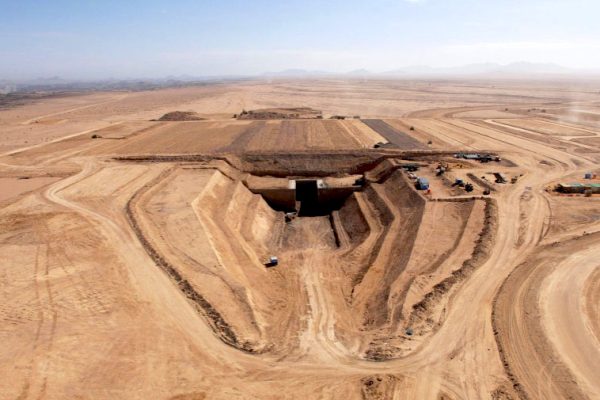
Namibia is also a gold producer with a few gold mines still extracting. However, there is no refinery in Namibia.
The country has sold N$8,6 billion worth of gold bullion (not refined) in the first 6 months of 2026, which is a billion lower than the same period last year.
In terms of production, the country produced 3.7 tonnes of unrefined gold in six months, compared with 5.2 tonnes at the same time last year.
erastus@thevillager.com.na