




Photo: Contributed
By: Peneyambeko Jonas
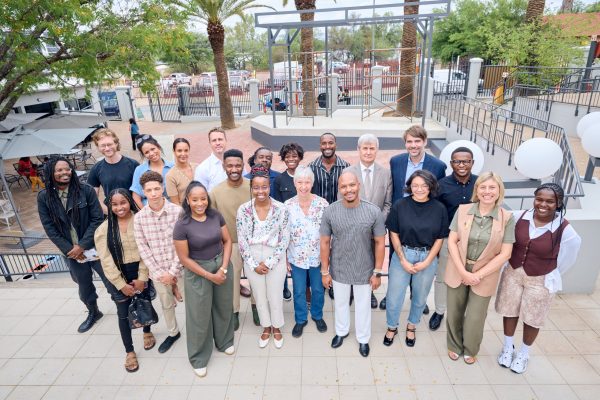
Namibia must invest in digital infrastructure, affordable internet access and technology skills to create employment opportunities, support business growth and reduce poverty, speakers said at a gathering of technology and industry stakeholders in Ongwediva.
Ministry of Information and Communication Technology Executive Director Linda Nakale said the summit’s theme focuses on using digital technology to promote inclusive economic growth.
Speaking ahead of the summit on 12 October 2026, Nakale said discussions were meant to address affordable internet, network coverage, digital skills and youth-led innovation.
She said hosting the event in northern Namibia was intended to encourage investment beyond Windhoek and help small businesses use technology to reach wider markets.
ICT Minister Emma Theofelus said young people need practical digital skills, reliable internet, mentorship and funding to participate in the digital economy.
“Technology must translate into real opportunities for our young people,” she said, highlighting Project 1000, which aims to develop digital skills and connect beneficiaries with employment opportunities.
Theofelus said the government was also working to extend broadband access to underserved communities. She added that the DigiNam initiative supports secure digital identification, electronic signatures and online transactions.
Cabinet has also directed the ICT Ministry and the Office of the Prime Minister to develop guidelines for civil servants on the responsible use of artificial intelligence (AI).
Huawei Namibia Chief Technical Officer Kate Fan said approximately 360,000 people still lacked 4G coverage, limiting their access to digital services and economic opportunities.
Fan said Phase II of the Universal Service Fund programme includes plans to establish nine network sites across five regions.
Namibia introduced 5G services in Windhoek, Swakopmund, Walvis Bay and Ongwediva in August 2025, with further expansion expected where demand justifies investment.
Fan added that affordability remained a concern, particularly in rural areas, where only 6.4% of households own computers.
A 2026 training programme aims to equip about 1,000 students with skills in 5G, AI and cloud technology, preparing them for emerging employment opportunities.
Beyond connectivity, speakers stressed that digital inclusion requires financial literacy and secure online transactions.
Claudia Itembu-Nikanor, who is from the payment systems space, said access to a bank account does not automatically enable people to benefit from digital payments if transaction fees are unaffordable or users lack the knowledge to protect themselves against scams.
She said instant payments could make it easier for consumers to transfer money, pay businesses and access government services through participating banks and digital wallets.
However, practical education is needed, particularly for rural communities, people with disabilities and those without smartphones or reliable internet.
Meanwhile, Communications Regulatory Authority of Namibia Executive for Communication and Consumer Relations Mufaro Nesongano said Public Key Infrastructure (PKI) could strengthen trust in online transactions by verifying identities and protecting electronic documents against undetected changes.
Nesongano said Namibia’s Electronic Transactions Act of 2019 provides a legal framework for electronic agreements and signatures, subject to applicable requirements.
Secure digital signatures could reduce administrative barriers by allowing people to submit tax returns, register businesses and verify qualifications online.
However, wider adoption depends on government institutions and businesses implementing the technology.
The discussions highlighted the economic importance of making digital services accessible, affordable and secure.
For Namibia, expanding connectivity and building practical skills could help small enterprises reach customers, improve service delivery and open employment opportunities for young people.
It is noted however that the benefits will depend on whether infrastructure investment, training and digital services reach communities currently excluded from the digital economy.
penny@eaglefm.com.na