



Photo: Alexander Raths
By: Nghiinomenwa-vali Hangala
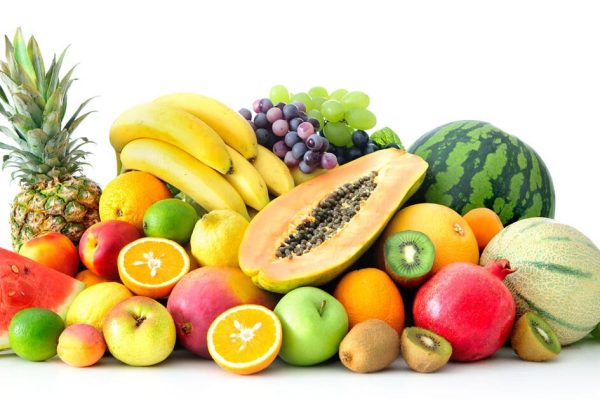
Namibia sells N$1.8 billion of fruit abroad each year, mostly table grapes and dates, yet buys almost all the fruit it eats from other countries.
While Namibia achieves significant fruit exports, only 3% of locally consumed fruit is produced domestically.
In 2024/2025, Namibians bought 30,824 tons of fruit, and only 752 tons were grown locally.
This revelation was included in the Namibia Agronomic Board (NAB)’s latest newsletter.
NAB aims to bridge the production gaps, through its Crop Value Chain Development Strategy (2025–2030), backed by an initial N$250 million, focuses on transforming the sector from seed to shelf.
In comparison to the vegetable sector, the fruit production tells a different story.
Since the Market Share Promotion scheme began in 2005, local vegetable growers’ share has risen from 5% to 47%.
Fruit lags behind because an orchard takes two to nine years to bear its first harvest, a long and costly wait for any farmer, NAB revealed.
The Fruit Scheme covers 30% of the cost of getting an orchard of 1 to 10 hectares from planting to first harvest.
In year one, it covers the procurement of certified fruit tree seedlings (once-off, first 10 ha).
The Scheme will also cover fertilisers, pesticides and fungicides, for up to three years and no later than 31 March 2030.
The farmer pays 70% to the supplier first; NAB then pays its 30% directly to the same supplier.
The scheme aims to support up to 10 farmers and 100 hectares a year across ten priority fruits, including citrus, berries, mango, avocado, bananas and dates.
Every fruit producer, subsidised or not, can also draw on NAB training and mentorship, links to finance, and help securing local and export markets.
Fruit and vegetables collectively have a domestic demand of about N$2.3 billion a year, but local processing remains small-scale and relies mostly on imported produce.
NAB assessment has revealed that there is more than N$6 billion in localisation potential through import substitution, new products and export growth.
High production costs, climate variability, limited investment in facilities and competition from cheaper imports continue to hold the industry back.
erastus@thevillager.com.na