



By: Annakleta Haikera
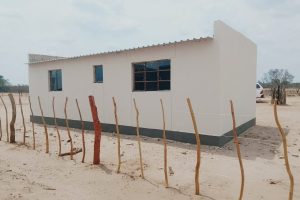
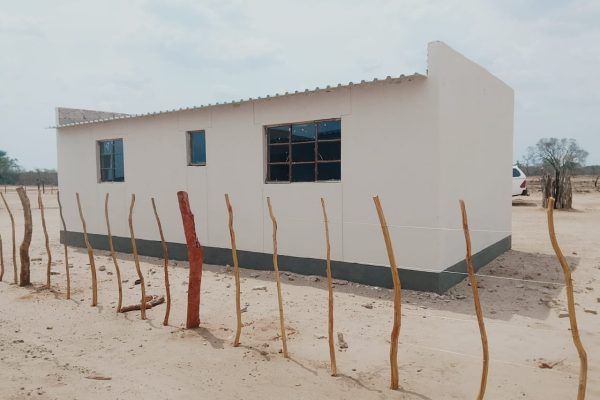
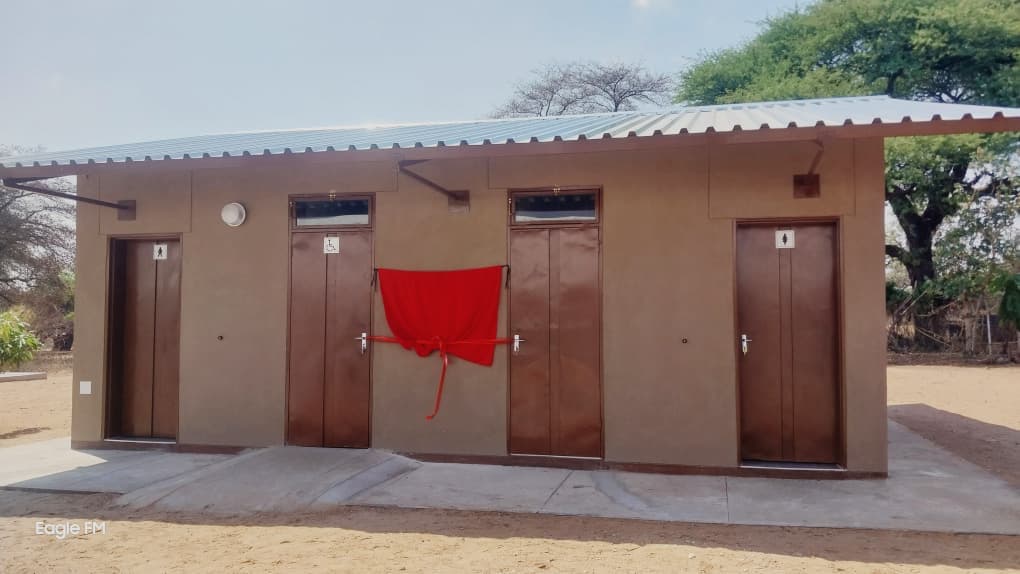
Namibia Water Sector Support Programme (NWSSP) has delivered newly constructed sanitation facilities to four clinics and one health centre in the Kavango West Region.
The facilities are Mupini Health Centre, Kapako Clinic, Mburu-uru Clinic, Nzinze Clinic and Sharukwe Clinic.
The facilities were officially handed over last Wednesday through the Ministry of Agriculture, Fisheries, Water and Land Reform (MAFWLR) under the Namibia Water Sector Support Programme (NWSSP).
NWSSP is a Namibian government initiative co-supported by the African Development Bank (AfDB).
The programme has a total value of N$3.3 billion, funded through a N$1.9 billion African Development Bank loan, a N$50.4 million grant from the Rural Water Supply and Sanitation Initiative Trust Fund, and a N$1.3 billion counterpart contribution from the Government of Namibia.
Speaking at the handover ceremony, NWSSP Programme Coordinator Heiki Hamunyela said the programme is designed to improve access to water and sanitation services, strengthen sustainable water security and build institutional capacity within the water sector.
Hamunyela said the programme is implemented through three strategic components, focusing on bulk water infrastructure development, rural water supply, sanitation and hygiene, as well as institutional capacity building and programme management.
He said the five facilities were implemented under the rural water supply, sanitation and hygiene component, which supports the construction, upgrading and rehabilitation of water supply schemes and sanitation facilities.
Hamunyela said adequate sanitation is fundamental to public health and human dignity, particularly at health facilities where appropriate sanitation contributes to safer environments for patients, health workers and communities.
He said improved sanitation also supports disease prevention, environmental protection and an improved quality of life.
“The programme therefore represents an investment, not only in infrastructure, but in people,” Hamunyela said.
MAFWLR Executive Director Teofilus Nghitila said the project demonstrates the government’s commitment to improving people’s quality of life through investment in essential public infrastructure.
“Sanitation is fundamental to public health, human dignity and a healthy environment,” Nghitila said.
He said the newly constructed facilities would provide safer and more appropriate conditions for patients, health workers and communities using the health facilities.
Nghitila commended the Kavango West Regional Council and regional leadership for their cooperation and engagement throughout the implementation of the project.
He stressed that regional leadership should be involved from the earliest stages of planning and prioritisation, rather than only when projects are ready for implementation or handover.
According to Nghitila, early involvement strengthens ownership, improves coordination and ensures that infrastructure investments respond to the actual needs of communities on the ground.
He also acknowledged the African Development Bank for its continued partnership with the Namibian Government, as well as the NWSSP team, consultants, contractors, technical personnel and other stakeholders involved in completing the project.
Nghitila cautioned that the completion and handover of the facilities should not be viewed as the end of responsibility.
He called on relevant institutions and stakeholders to ensure that the facilities are properly operated, maintained and protected, so that they remain functional and continue serving communities in the long term.
“Today we celebrate progress, but we also reaffirm our commitment to doing more,” Nghitila said.
He added that the government remains committed to improving water and sanitation services across Namibia and ensuring that development investments translate into tangible benefits for communities.
Meanwhile, Kapako Constituency Councillor Augustinus Kupembona called for health infrastructure projects to create opportunities for local artisans and small businesses, saying development should leave communities with more than just completed buildings.
He said adequate water, sanitation and hygiene facilities are essential for health facilities to provide quality and dignified services to patients, healthcare workers and visitors.
“A healthy facility cannot provide quality or dignified service to the community without adequate water, sanitation and hygiene facilities,” Kupembona said.
He welcomed the investment, saying the new facilities would contribute to healthier environments at the health centres and benefit the communities they serve.
However, Kupembona urged government and development partners to look beyond infrastructure and consider how such projects can contribute to local economic empowerment.
He said infrastructure projects should also leave behind skills, experience, income and opportunities, particularly for young people.
annakletahaikera@eaglefm.com.na