




By: David Shoombe
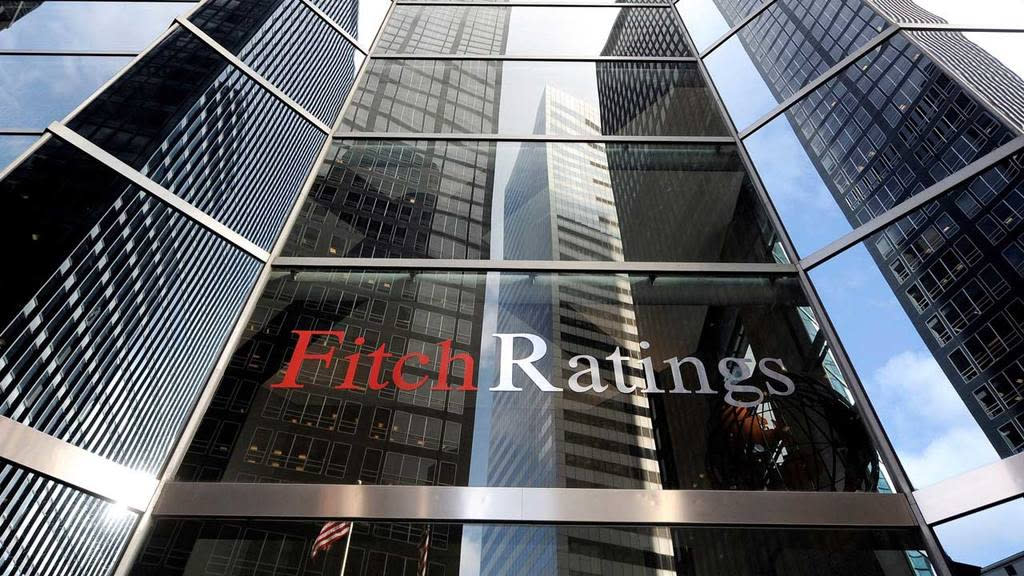
As African leaders find themselves caught in the crossfires of global economic tensions between BRICS alignment and the Western world, the African Export-Import Bank (Afreximbank) has officially terminated its credit rating relationship with Fitch Ratings.
In its termination notice, the pan-African bank stated that, “After a review by the Bank, the credit rating exercise no longer reflects a proper understanding of the Bank’s Establishment Agreement, its mission, and its mandate.”
Fitch Ratings is one of the major international credit rating agencies that assesses the creditworthiness of governments and corporations, helping investors understand the risks associated with investments in specific institutions.
The decision to terminate the relationship has sparked varied perspectives on how African financial institutions perceive their authority and autonomy in response to international influence and credit rating models they disagree with.
Reacting to Afreximbank’s termination of its relationship with Fitch Ratings, McBride Nkhalamba of the African Peer Review Mechanism (APRM) Credit Rating Research & Advisory stated that, “Based on the APRM assessment, the decision is not a reaction to Fitch Ratings’ downgrade of Afreximbank in June, nor to the prospective trajectory of future ratings,” instead it was rooted in concerns about the quality of the rating and the analytical framework used to assess underlying risk sources.
International credit rating agencies, most of which are headquartered in the United States and the United Kingdom, have in recent years come under increasing criticism from African leaders over the credibility and authenticity of their ratings of African economies.
In 2025, the African Peer Review Mechanism conducted an African Sovereign Credit Rating Review Mid-Year Outlook. The analysis examined the three dominant international credit rating agencies, Fitch Ratings, Moody’s Investors Service, and S&P Global Ratings, revealing inconsistencies in data collection, as well as a lack of internal capacity involving African analysts within rating processes on the continent.
The 2025 mid-year review found that these three international credit rating agencies (CRAs) demonstrated a refusal to invest in continent-based analysts through a physical presence in Africa, a lack of debt transparency that erodes trust in African fiscal data, and limited capacity within Africa’s Debt Management Offices (DMOs).
Economic researcher, Epafras Jonas, shard his disapproval of international rating agencies, noting that “This type of rating distortion can add hundreds of millions of dollars in additional interest payments. African rating agencies, with deeper contextual understanding, can provide more accurate and fair assessments, helping African governments and multilateral banks access capital at more competitive rates.”
Jonas further noted that “International agencies often assign lower credit ratings to African sovereigns and institutions because of methodological bias, limited contextual understanding, and misclassification of treaty-backed obligations (APRM 2025; Afreximbank 2026), leading to higher interest rates and increased sovereign borrowing costs on international markets.”
The growing tensions between African countries and international credit rating agencies ultimately led to the launch of the African Credit Rating Agency (AfCRA) in September 2025.
The agency aims to provide independent and credible credit ratings for African countries. AfCRA also seeks to improve Africa’s sovereign ratings by at least one notch, with an estimated potential to unlock approximately $15.5 billion in additional funding for the continent.