



By: Nghiinomenwa-vali Hangala
Updates on the country’s decision to develop a second large-scale desalination plant have revealed that negotiations between the two developers, Swakopmund Uranium and Namwater, have been finalised.
The two entities have agreed to form a joint venture (Erongo Sunam Desalination Project) to develop the desalination plant, which will be 70% owned by Swakop Uranium and the rest by NamWater.
The partners announced this in a joint statement yesterday.
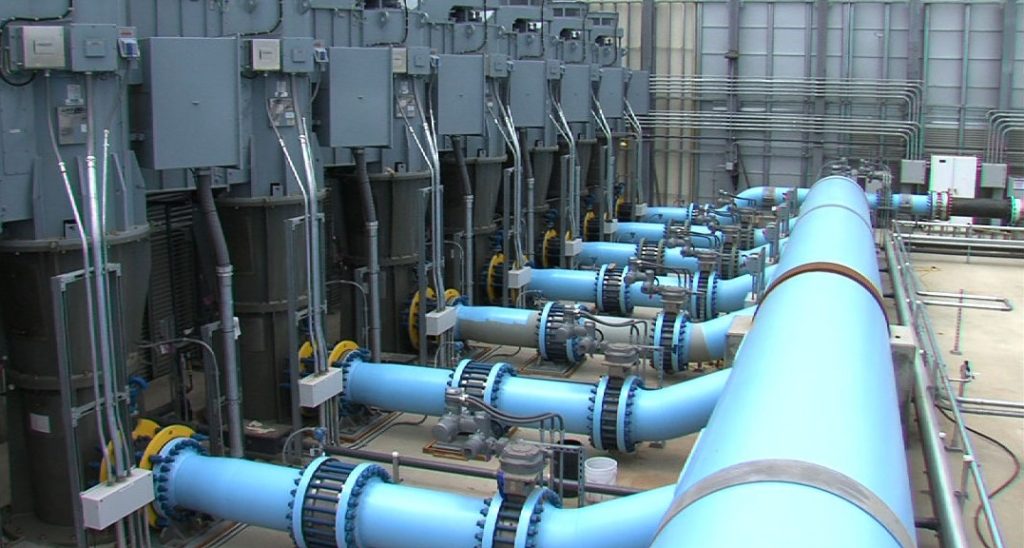
The two have partnered to jointly develop a modern, efficient desalination plant to meet current and future water needs. According to the statement, the structure reflects the respective investment commitments and operational interests of both parties.
These terms explain that Swakop Uranium will contribute more in terms of capital and technical input, and NamWater will ensure public sector oversight, regulatory alignment, and integration with national water infrastructure.
Beyond the finalised negotiations, the partners have also indicated that all necessary approvals for the project, such as technical, commercial, and governance, have been secured. The transaction advisor has also finalised the execution version of the Joint Venture Agreement.
With the agreement formally signed off, the partners indicated that they will now transition to the project implementation phase. The next steps include the registration of the Erongo Sunam Desalination Project Joint Venture Company, the detailed engineering, environmental assessments, financing arrangements, and construction planning.
Swakop Uranium’s investment in the project is centred around ensuring a long-term, cost-stable water supply for operational resilience and future planning certainty.
The coastal area and surrounding mines depend on the existing desalination plant, however, they face interruptions due to the sulphur levels hindering operations. The joint venture has not indicated how the new desalination plant will counter the sulphur issues, but indicated that it would have modern infrastructure, with more details to be provided at a later stage.
As for NamWater, it aims to expand bulk water production capacity, to support regional supply obligations while reducing pressure on inland water sources.
The Erongo Region continues to be one of Namibia’s most economically active areas, home to various mining operations (with more planned), growing industries, and expanding communities. However, the limited freshwater resources and climate variability are placing pressure on traditional sources.
The country has opted for desalination, which is now placed as a reliable and sustainable option for securing a long-term water supply.