



By: David Shoombe
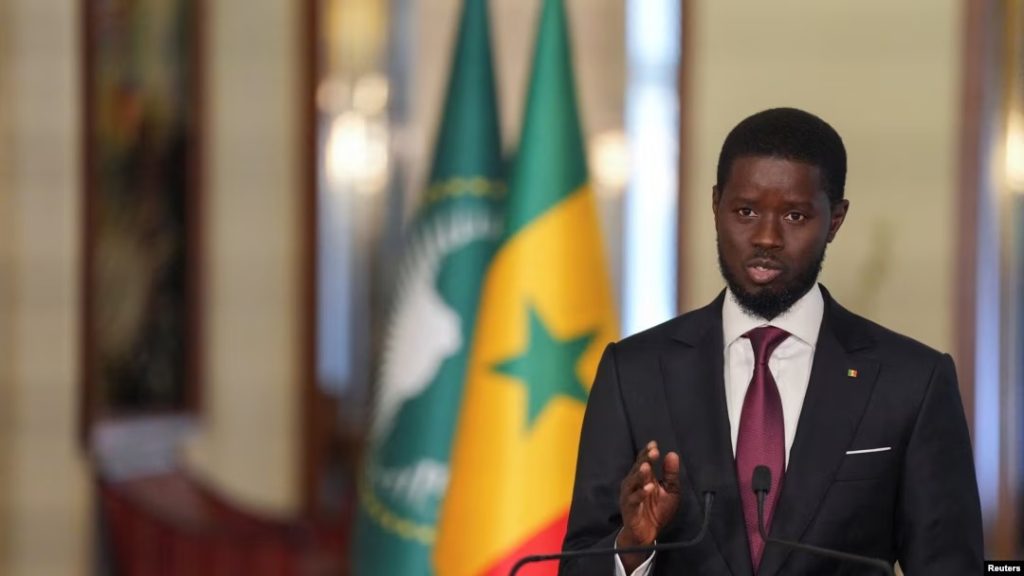
Following months of economic policy disputes, Senegalese President Bassirou Diomaye Faye relieved Prime Minister Ousmane Sonko of his duties and dissolved the government, potentially worsening matters for the debt-laden nation.
The political move has added to the list of dissolved cabinets by sitting heads of state in the past five years, following similar decisions in Malawi in 2023, Kenya in 2024, and Madagascar in both 2025 and 2026.
These decisions have raised questions on the relationship between executive power and accountability to governance institutions in several economically fragile states.
In 2025, discussions between Senegal and the International Monetary Fund (IMF) on a new lending programme were affected by concerns related to revisions in public debt data and fiscal reporting. These issues contributed to delays in finalising an agreement while the IMF reviewed the country’s financial disclosures and debt classification.
Senegal’s public debt is estimated to exceed 100% of GDP, with some projections placing it in the range of approximately 120%–130% by 2026, depending on the methodology and inclusion of state-linked liabilities. tThese projections are supported by data platforms such as Trading Economics.
IMF procedures require that any identified cases of data misreporting be formally assessed and addressed before a new lending arrangement can proceed. This includes potential executive board consideration of corrective measures and compliance steps as part of restoring program engagement.
Daniel Mathew, Namibian researcher in policy, planning and development stated that “The clash between executive powers in Africa is caused by unfriendly economic policies which are transforming the African states and its people.”
Mathew noted that even though African heads of state may have had the best intentions before coming to power, the economic systems and governance structures in place are “a guarantee to failure.”
He adds that African government dissolutions serve as a sign of different perspectives in leadership and is directly linked to poor economic transformation and corruption within the systems.
Namibian economic policy analyst Maria Nashikaku told The Villager that there is a need for direct confrontation of the current systems delaying African economic development.
“Nobody thought that the leaders of Kenya, Madagascar, and Senegal would dissolve their cabinets within less than two years in power. However, this may be a sign of leaders being cornered by the system and by their people, who are demanding what was promised,” said Nashikaku.