



By: Peneyambeko Jonas
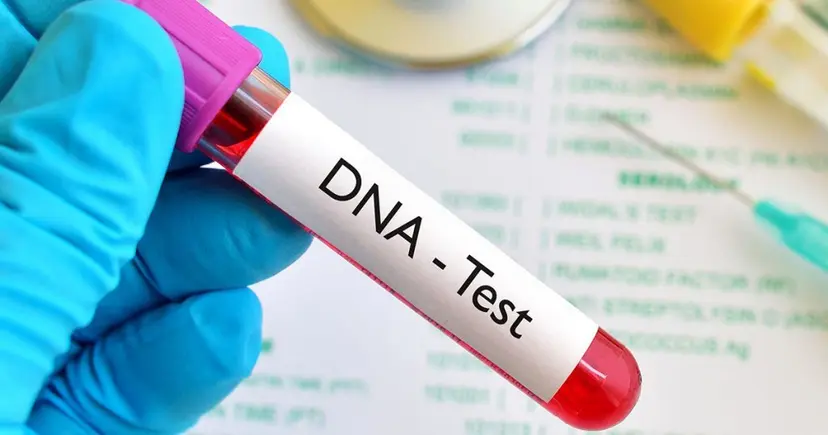
Namibia has started building local capacity to sequence human DNA after the Namibia University of Science and Technology (NUST) installed the country’s first high-throughput genome sequencing platform.
This development is expected to reduce reliance on overseas laboratories and create opportunities for research, healthcare and biotechnology.
The Illumina NextSeq 2000 platform, installed at NUST, allows researchers to conduct advanced DNA and RNA sequencing in Namibia.
The university said the technology could reduce the time and costs associated with sending samples abroad while allowing researchers to retain and analyse more scientific data locally.
Lamech Mwapagha, Associate Professor of Medical Biochemistry at NUST, said the investment changes the economics and pace of genomic research in the country.
“Having the country’s first high-throughput Next-Generation Sequencing (NGS) platform represents a defining moment for scientific research in Namibia,” Mwapagha said.
Adding that the country now has capacity to do sequencing locally.
“We now have the capacity to conduct advanced genomic sequencing locally, enabling our researchers to generate high-quality data within the country while reducing dependence on international facilities.”
The platform has already been used to sequence the first Namibian human whole genomes entirely within Namibia, according to NUST.
The university said this creates a foundation for population genomics and research into genetic factors that may influence disease among Namibian populations.
For the health sector, local sequencing could support research into disease-associated genetic variants, infectious diseases, cancer and antimicrobial resistance.
It could also contribute to the development of diagnostic and treatment approaches that take local genetic diversity into account.
Mwapagha said the availability of locally generated data could also address a gap in international genomic research.
“It also positions Namibia to contribute valuable African genomic data to global research efforts, helping address the longstanding underrepresentation of African populations in international genomic databases,” he said.
The economic implications extend beyond healthcare. NUST said the equipment can be used for agricultural research, biodiversity conservation, environmental studies, pathogen surveillance and microbiome analysis.
This creates potential for the university to provide sequencing services to hospitals, government laboratories, other universities and private-sector organisations, rather than Namibian institutions having to rely entirely on laboratories outside the country.
The platform could also strengthen postgraduate training.
Illumina specialists from Separations South Africa recently trained NUST staff and postgraduate students in sample preparation, library construction, instrument operation, quality control, sequencing and data analysis.
The training is intended to develop local skills around a technology that requires specialised scientific and technical expertise.
Mwapagha said the investment should therefore be viewed beyond the equipment itself.
“This platform is far more than a research instrument; it is an investment in Namibia’s scientific future,” he said, adding that it could support public health, agricultural research, biodiversity conservation and the training of genomic scientists.
The platform is based on Illumina’s Sequencing by Synthesis technology and can support projects ranging from individual laboratory studies to larger population-level investigations.
For Namibia, the immediate economic benefit is likely to come from reducing dependence on external sequencing facilities and shortening research timelines.
Over time, NUST could generate income by offering sequencing and related services locally and to institutions elsewhere in the region.
The investment also comes as countries increasingly use genomic technologies to strengthen disease surveillance, food production and biomedical research.
For Namibia, developing the skills, research partnerships and commercial applications around the new platform will determine whether the equipment becomes a research facility or develops into a wider biotechnology service industry.
Penny@eaglefm.com.na