


By: David Shoombe
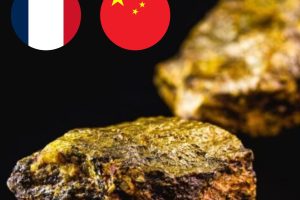
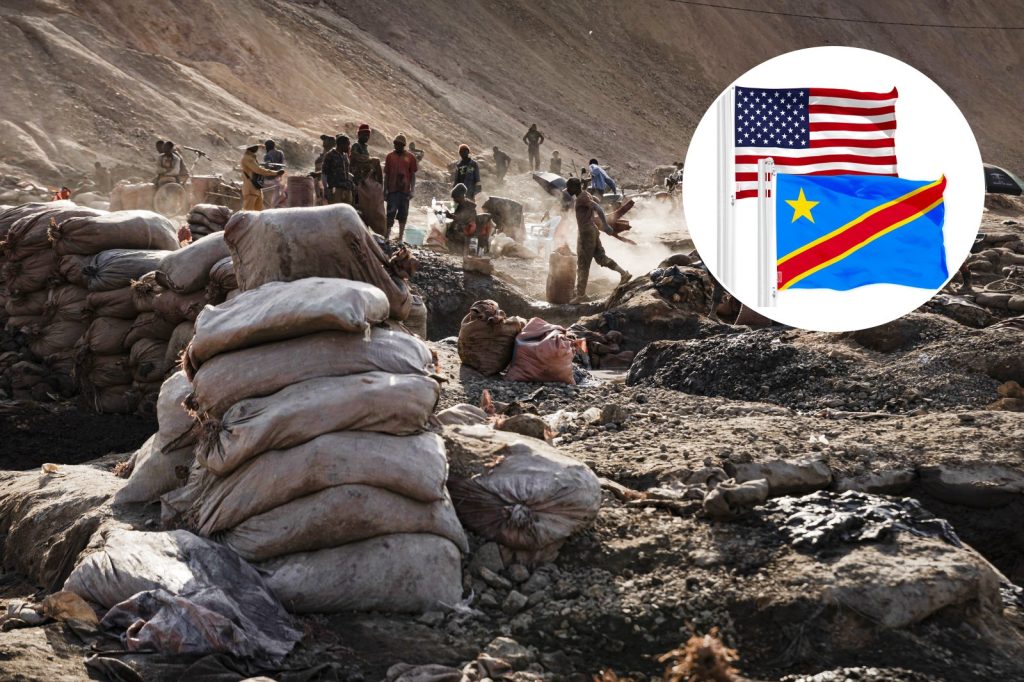
The General Inspectorate of Mines (IGM) in the Democratic Republic of the Congo has announced plans to create a paramilitary special unit to protect the nation’s mining sites.
The move has sparked discourse around whether Africa will remain in control of its mineral resources.
The IGM’s communique indicates that the $100 million establishment of the paramilitary unit will be funded through partnerships between the United States and the United Arab Emirates.
The unit is expected to have around 3,000 personnel and be operational by December 2026, following six months of collaborative military training.
DRC Inspector General of Mines, Raphael Kabengele states that President Félix Tshisekedi aims to “Clean up the entire mining sector by eliminating practices that run counter to good governance, transparency and the traceability of minerals.”
The DRC has been struggling with the management of illicit mining and militia contesting for the rich mineral provinces in the eastern parts of the country, such as the Kivu Province.
Ally Angolo, Namibian mining economist, shared that the move to fund the security of mines in the DRC using external funders undermines the sovereignty and the ownership of the minerals.
“Africa holds over 30% of the world’s critical minerals, yet the continent is still poor because they have less control of their mineral resources and less dividends retained from sales of raw materials.”
Angolo noted that if a foreign company or state funds a nation’s security, it usually funds its own interests simaltaneously.
Natalie Andreas, a Namibian business researcher stated that “The new form of resource exploitation comes from agreements which disguise as help and if the African countries are not thinking beyond the face value, huge continental wealth will continue to be lost.”
Andreas further indicated that the African Mining Indaba 2026 strongly advocated for policies that invest in local processing, refining, and manufacturing rather than relying on external security assistance for mines.
African economic analyses on modern mining in 2026 shows that DRC lost $1 billion through illicit mining of minerals. That said, the DRC is said to be the wealthiest country in the world in terms of mineral resources, estimated to be about $24 trillion dollars in value.
Moreover, the DRC produces around 70% of the global cobalt output, which is key for the production of electric batteries and defence technology. The nation also holds some of the world’s richest deposits of copper, coltan, and lithium.
African mining data estimates that the DRC has over 50 large-scale mines and over 2,000 artisanal and small-scale mines.