



By: Dwight Links
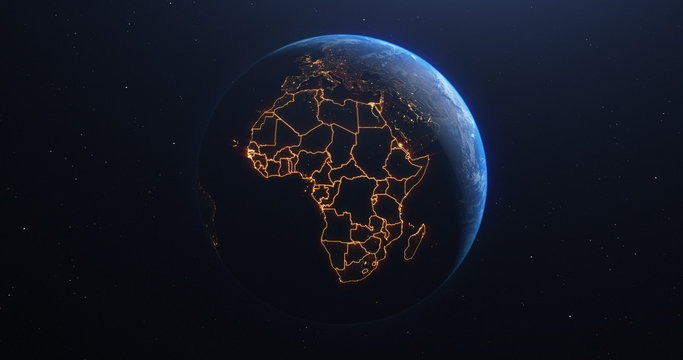
Minister for Gender Equality and Child Welfare Emma Kantema stated that one in four people around the world will be African by 2050.
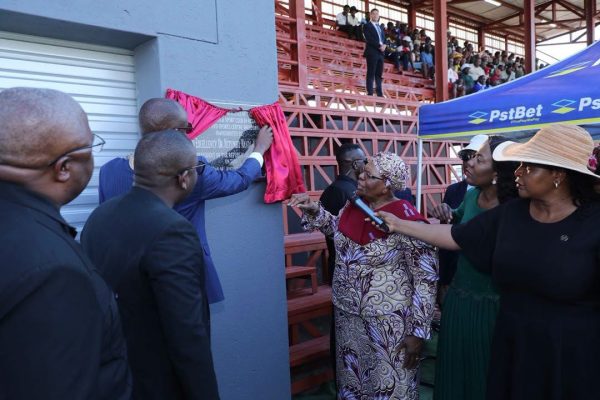
Kantema revealed this at the launch of the Labour Migration Statistics in Africa report in Windhoek on Friday.
This is also confirmed by AU experts’ reports and high-level engagements last week at the Special Technical Committee week-long deliberations.
She added that as decision-makers, the statistics help to provide the evidence that will make governments’ programs, legislation, and policies responsive.
“This report provides an analysis on labour migration dynamics,” Kantema added.
According to her, demographic trends come into stark focus due to the movement of Africans within the continent and out of the continent.
“Highlighting trends like demographics, labour force participation, data systems challenges and international migration patterns,” the minister noted.
Kantema singled out that there seems to be gender disparity issues in that women account for 37% of migration, “meaning that our policies should respond to issues of gender,” the minister said.
KEY TRENDS
The report states that by 2022, Africa’s population reached 1.4 billion, which increased from about 1 billion in 2010.
“Marking an increase of 40% over the period. The population distribution shows a slight predominance of females over males, with 693.3 million women compared to 690.1 million men by 2022,” the report explained.
Of the total population in Africa, 820 million were of working age (15-years and above), which represents a 38.7% rise since 2010.
The continent’s labour force expanded from 375.6 million in 2010 to 509.2 million in 2022, which represented a 35.6% increase according to the report. This is as men make up 56.8% of total participation.
The latest data in the report indicated that the labour participation rate remained at a single level.
“Overall labour force participation rate remained steady at 62.1%, yet pronounced gender disparities persist, with 71.8% of men participating compared to only 52.7% of women,” the report cited, reinforcing the comments from Minister Kantema.
REGIONAL VIEWS
At the regional level, East and West Africa together account for nearly 60% of the continent’s labour force, while Northern Africa continues to record the lowest participation rates, largely reflecting structural and sociocultural constraints on women’s employment.
Across all subregions, women remain underrepresented, with gender gaps ranging from 10 percentage points in Southern Africa to as high as 50 percentage points in Northern Africa.
International migration within Africa has continued to grow, increasing from 17.6 million in 2010 to 26 million in 2022, an increase of nearly 49%. The West and East Africa regions together accounted for nearly 48%.
Women make up about 47% of international migrants, though the share varies significantly by subregion, from 38.5% in Northern Africa to 50.2% in East Africa.
West, East and Southern Africa together accounted for 77.3% of all international migrants, reflecting the predominance of intra-regional mobility, particularly within the Economic Community of West African States, Eastern African Community and Southern African Development Community, where free movement protocols facilitate cross-border flows.
The report indicates that migration across the continent continues to be largely driven by labour mobility, with migrant workers concentrated in labour-intensive and predominantly informal sectors.