





By: Nghiinomenwa-vali Hangala
Assessment done on the streams of the Zambezi rivers has revealed the depletion of Zambezi bream and other fish species in the region’s river systems.
It has resulted in a call to restock fingerlings for the bream and tilapia species.
This was revealed in the Zambezi Regional Council Annual Report, which was recently released by Parliament.
The report has detailed the regional achievements, challenges faced, recommendations, and plans during the period 1 April 2025 to 31 March 2026.
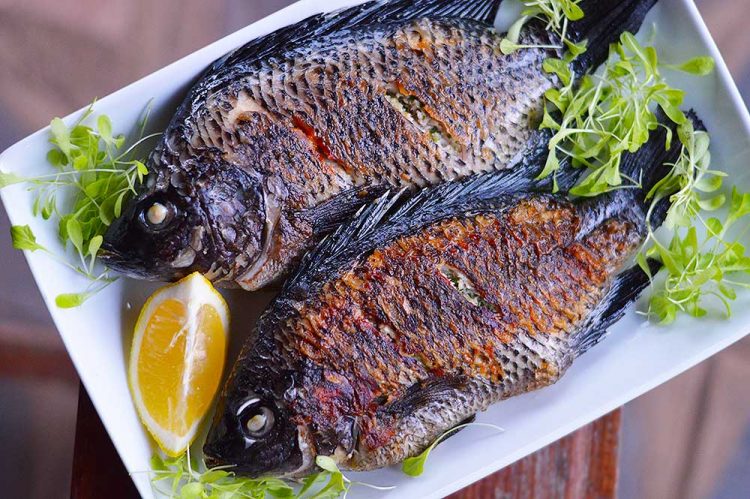
The Zambezi bream is one of the inland fish caught in the shared (Angola, Namibia and Zambia) rivers of the Kavango and Zambezi.
The fish has evolved over the years from being just a regional delicacy to a nationally sought after fish with commercial value and features on affluent restaurant menus.
The Zambezi Regional Council, through the Ministry of Fisheries and Marine Resources, conducted a study on the regional river systems.
The results revealed that a number of fish have decreased in the region’s river streams, including the Zambezi bream.
The study warned against continued overfishing.
“The study outcomes indicate that fish species have drastically decreased, and further predict that, if current fishing trends do not change, there will be no fish left in our rivers and streams within the next five years,” the report read.
The Regional Council has encouraged those participating in the fishing sector to look after the rivers’ fishery resources, “just as we have done with our wildlife.”
The report has recommended the restocking of fingerlings for tilapia/Zambezi bream with tight enforcement.
“This will serve a good purpose, alongside the enforcement of closed seasons to allow fish stocks to grow and multiply,” the regional leadership wrote.
The Zambezi region lies in a tropical area, with high temperatures and substantial rainfall during the December-to-March rainy season, making it the wettest region of Namibia.
The terrain is mostly made up of swamps, floodplains, wetlands, and woodland.
Tributaries of the river system here go by different names, including the Linyanti and Kasaya channels.
The region’s natural resources of forests, vegetation, fish, wildlife and rivers provide significant agriculture, fishing and tourism potential that enhances the attraction of the region.
However, the region’s fishing industry is hampered by overfishing, which is attributed to various factors in both Namibia and Zambia.
erastus@thevillager.com.na