

By: Helmut Mahongo
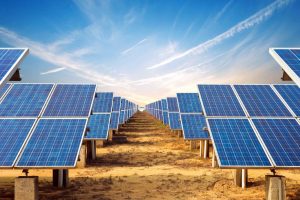
The Southern African Development Community (SADC) Deputy Executive Secretary for Regional Integration, Makombo N’Tumba, called for increased investment in energy infrastructure.
N’Tumba said this in her introductory remarks at the recently held 44th Joint Meeting of Ministers responsible for water and energy in SADC held in Pretoria, South Africa.
This comes when SADC, like other Sub-Sahara African regions, is trailing behind in terms of electrification with only approximately 50% of the region’s residents having access to electricity compared to 100% in North Africa.
The 44th meeting brought together ministers and senior officials from SADC member states to review progress in implementing regional energy and water programmes as well as assess the implementation of previous decisions.
The implementation decisions from the 43rd Joint Meeting of Ministers responsible for energy and water which was held in Harare, Zimbabwe last year were reviewed, which included the progress on strategic regional transmission projects.
SADC’s strategic regional transmission projects include: Angola-Namibia Interconnector (ANNA), Tanzania-Zambia Interconnector, Malawi-Mozambique Interconnector, Mozambique-Zambia Interconnector, and the Zimbabwe-Zambia-Botswana-Namibia (ZIZABONA) Interconnector, which are expected to strengthen regional electricity connectivity and facilitate increased cross-border electricity trade.
In April of this year, Namibia’s Namibia Power Corporation (NamPower) signed a N$941 million Joint Development Agreement with Angola’s Rede Nacional de Transporte de Electricidade to develop the Angola-Namibia Power Interconnector Project, ANNA.
It was also revealed that Angola has one of the biggest power surpluses in southern Africa, however, it is unable to sell its excess power to its southern neighbours due to lack of physical infrastructure.
The ANNA Interconnector project is estimated to cost about N$941 million, and the completion date is planned for 2029.
Rural electrification is one of the region’s energy challenges pointed out in its 2019 Regional Infrastructure Development Master Plan Assessment Report.
The report showed that only about 32% of rural areas in the Region have access to electricity which indicated a falling behind in Africa regarding the continental access to electricity.
The report showed that compared to North Africa, SADC like other Sub-Sahara African regions is trailing behind in terms of electrification with only approximately 50% of the region’s residents having access to electricity compared to 100% in North Africa.
Some of the handles identified on the report were lack of funding, slow migration to cost reflective tariffs and inadequate project preparation.
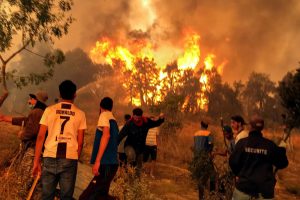
On water, South Africa’s Minister of Electricity and Energy Kgosientsho Ramokgopa pointed at the frequent droughts and floods experienced by the region, underscoring the need to invest in climate resilient water infrastructure.
Ramokgopa emphasised the need for integrated water resource management, early warning systems for frequent extreme weather event detections across the region.
Discussions focused on implementation of regional water infrastructure projects through River Basin Organisations and Shared Water Institutions like the Regional Strategic Action Plan V (RSAP V) which ran from 2021-2025.
The RSAP V was executed by the SADC Secretariat Water Division in coordination with Deutsche Gesellschaft für Internationale Zusammenarbeit (GIZ) at the cost of about US$100 million, approximately N$1.9 billion.
Ministers also considered the proposed extension of the RSAP V Implementation Plan to 2030 to accelerate delivery of regional water priorities during the meeting.
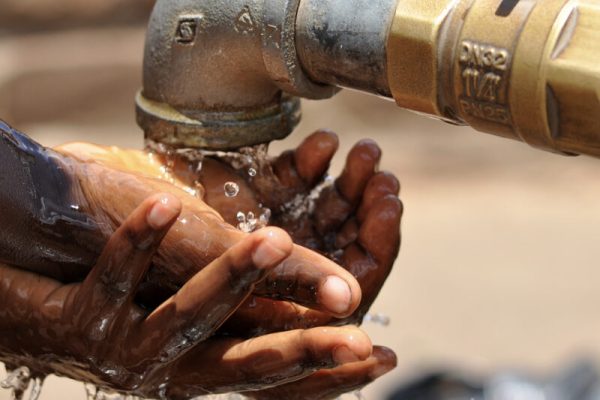
With 70% of regional water resources crossing national boundaries, the SADC region requires the SADC Water Division to oversee harmonisation of national water use policies and to moderate transboundary issues according to SADC.
The Joint Meeting also reviewed overall progress in implementing decisions adopted during the 43rd Joint Meeting of Ministers Responsible for Energy and Water.
The ministers were at the same time considering several recommendations for submission to the SADC Council of Ministers and the SADC Summit of Heads of State and Government, set to take place next month in Durban, South Africa.