




By: Anelie Petrus
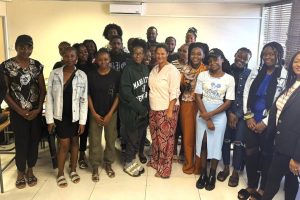
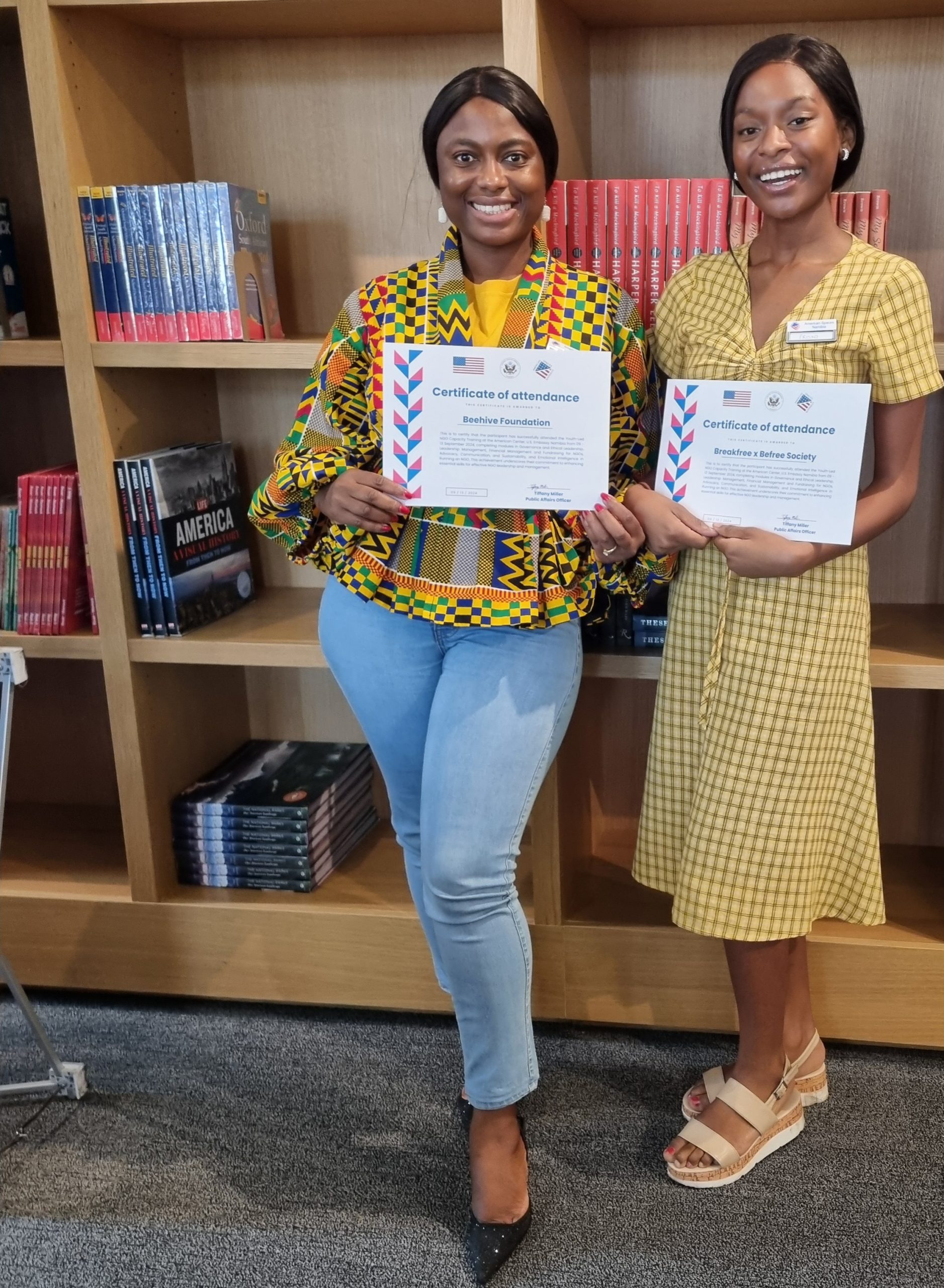
I attended the NGO Capacity Training at the American Center, U.S. Embassy, Namibia from 9 -13 September 2024.
This training was very impactful and very important for us as an NGO. Through this training, we learned how to identify the gaps which we need to improve on.
It is crucial that, as NGOs, we understand the importance of effective governance and ethical leadership. Some of the challenges are balancing the mission and funding, cultural sensitivity, and sustainability.
Governance and ethical leadership are intertwined in ensuring that NGOs operate effectively, and transparently and are in alignment with their mission and values.
The training covered the following modules:
Governance and Ethical Leadership by NangulaMbako
Governance and ethical leadership are intertwined in ensuring that NGOs operate effectively, transparently, and in alignment with their mission and values.
These principles help build trust, enhance credibility and ultimately lead to greater impact and success for the organisation. We were also urged to lead with integrity and ensure accountability.
“Together, we can create a future where ethical leadership and robust governance are the foundations of every thriving enterprise,” stated. NangulaMbako.
Leadership Management by Sebulon David
It is very important to understand the roles of each position in the organisation. Some roles are for day-to-day activities. It is also important to plan well in understanding when your board meetings should be taking place.
Understanding the team is also important. Understanding whether a member is structured, technical, active or whether the member is a relationship person helps with getting tasks done easily.
This also helps because you would better understand which task to assign and when to assign the task to the team member.
We learned that developing skills in strategic planning, team building, conflict resolution and ethical leadership is vital, while organisations need to continue personal and professional development in leadership roles.
Financial Management and Fundraising for NGOs by TeopolinaIhuhua
Effective financial management and strategic fundraising are crucial for an organisation’s success and sustainability. It is also very important to give donors feedback.
Budgeting involves creating detailed financial plans to manage resources effectively. It guides operational planning, monitoring and reporting. It is also very important that we segregate duties.
The benefits of effective budgeting include proper planning, accurate financial records, facility adjustments, and ensuring effective use of finances.
Advocacy, Communication, and Sustainability by AillyNamupala
Fun fact: “Advocacy” comes from the Latin word “advocate,” meaning to call to one’s aid.
We were taught to define our objectives, identify our target audience, develop key messages, choose the right channels and engage stakeholders.
“Leadership is not the art of leading others. It is the art of leading yourself so others may follow,” AillyNamupala said.
Emotional Intelligence in Running an Organisation by Beatrice Schultz
We learned about the ability to manage both our own feelings and understand the emotions of those around us.
We also learned the importance of managing stress. Knowing yourself first and then identifying it in others is so important. This training reminded us of the importance of knowing the difference between empathy and sympathy.
It is also important to understand that without stress we might not be able to get up or to be motivated to do something. Stress can be an advantage but it needs to be manageable. We need to understand your threshold of how much stress we can handle.
In conclusion, this was a very great training to attend because as NGOs we are at the forefront of driving social change, addressing critical issues and empowering our communities.
The training equipped us on how to deal with the challenges which we face as we are managing our projects.
The training also serves as a practical guide covering very important topics such as effective governance, financial management, fundraising, stakeholder engagement and ethical leadership.
Understanding the role of leadership in NGOs is very crucial. We also learned about effective communication techniques including social media. Public Speaking skills was one of my favourite topics.
Self-awareness, self-management, social awareness and relationship management is so important when managing an NGO.
Building healthy relationships is also very important. Instead of venting we learned to VET instead. Validate, Explore and to Transform. Practising how to use my emotions for the good. I encourage NGOs to continuously train their teams and to enhance the power of collaborations. Let us Connect, Learn and Innovate together.
Anelie Petrus is the founder of the Beehive Foundation, which has a key focus on social entrepreneurship. The Beehive promotes collaborative opportunities for NGOs, SMEs and creatives. Petrus is an Alumna for the Young African Leaders Initiative Business and Entrepreneurship Development UNISA 2021. She is also currently under training as a radio presenter at Eagle FM. The views expressed herein are her own.