


By: Dwight Links
The University of Namibia (UNAM) and the Stuttgart University of Applied Sciences aim to explore various energy and synthetic fuels that Namibia can produce through green hydrogen.
The two universities revealed their collaboration during a recently held conference.
UNAM hosted the Power-to-X conference at its Windhoek campus in March, which included presentations from Germany and Namibia about fuel sources and inputs, and the derived benefits to be generated.
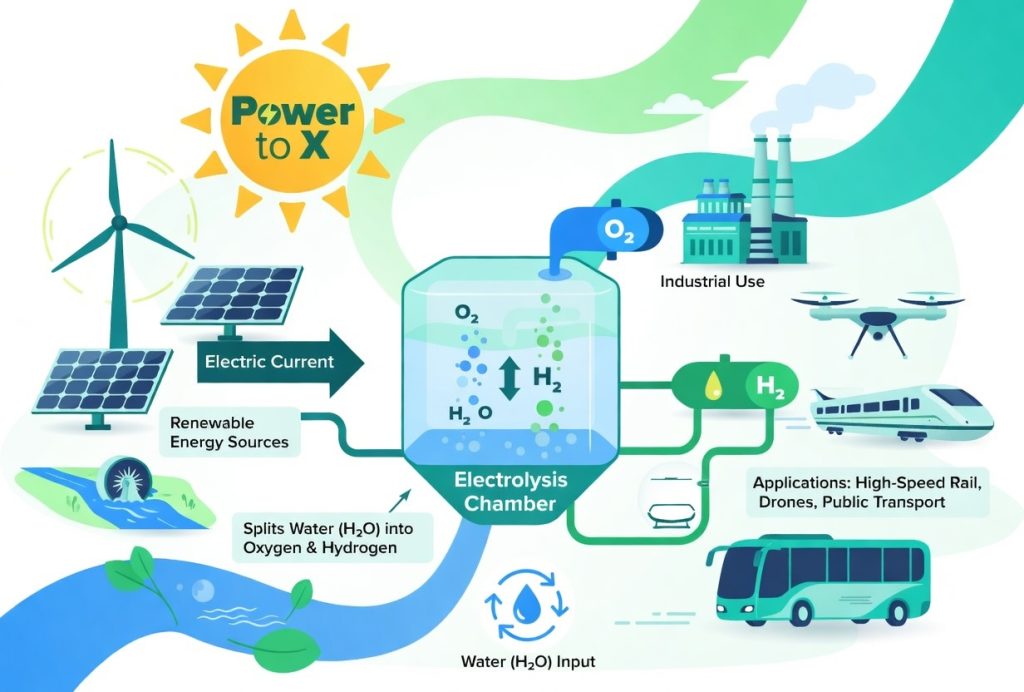
Expanding on the two entities’ four-year partnership, this conference centred around the Power-to-X principle which examines the added manufacturing potential in the green hydrogen production process.
According to Professor Ludger Eltrop, who heads the Institute of Energy Economics and Rational Energy Use at Stuttgart University, the actual view of the principle is from an engineering perspective, which illustrates what can be built from produced electricity.
As there are a variety of products that can be produced out of power, Eltrop indicated that “we are looking at different pathways or products that can be produced out of electricity or power.” According to him, these can be all kinds of chemicals, gases, or liquid forms.
In relation to Namibia, the aim would be to produce hydrogen using water electrolysis, which also includes the production of methanol or ammonia, for example.
“The X represents a variety of things that are products,” Eltrop expanded.
Namibia remains a viable option for the potential of synthetic energy sources to become a reality, as its abundant solar and wind resources contribute to the opportunity of low-cost green hydrogen production through electrolysis.
Another source is biomass, which provides an additional opportunity as the encroacher bush harvesting method positions itself into this equation through its contribution of the green biogenic carbon.
Green hydrogen can be combined with carbon dioxide for sustainable biomass utilisation to produce near-carbon-neutral liquid fuels.
Such synthetic fuels, such as green kerosene, are easier to store and transport than hydrogen itself.
It presents a key economic opportunity for Namibia to supply countries with limited resources.
Eltrop noted that these products emerging from the green hydrogen production add value to any economy.
“These products carry value to the economy for their use in transport, for people through various means, and these are all built on electricity production,” he added.
Selma Lendelvo, UNAM director for Grants Management and Resource Mobilisation, noted that the cooperation between Namibia and Germany is essential to realising benefits at international and local levels.
UNAM has played a central role in capacity development, research and development, and technology innovation to keep the country involved in the latest developments coming out of the green hydrogen sector.
“Modern energy has transformed societies, turning difficult tasks into manageable ones, and improving human wellbeing along the way. Yet the rapid exploitation of energy reserves – which includes fossil fuels – which accumulated over millions of years has brought serious global challenges,” shared Lendelvo.
According to her, the constant rise in greenhouse gas emissions, especially carbon dioxide from the constant burning of various fossil fuels, continues to outpace the rate of natural sequestration.
This means that the constant levels of releasing pollutant particles into nature – which have to organically find their ways out of the natural systems – have reached unsustainable levels.
This has accelerated global warming with widespread and often negative consequences for ecosystems, economies, and communities worldwide.
Hydrogen as an energy carrier offers significant potential when combined with oxygen, as it releases substantial energy, noted Lendelvo.
However, she indicated that handling, storing, and transporting hydrogen remains technically challenging due to its physical and chemical nature.