

By: Annakleta Haikera
Despite being the second-most populated urban centre in Namibia, residents of Rundu say the town continues to struggle with high unemployment, fragile infrastructure and limited health services, raising concerns about development in the region.
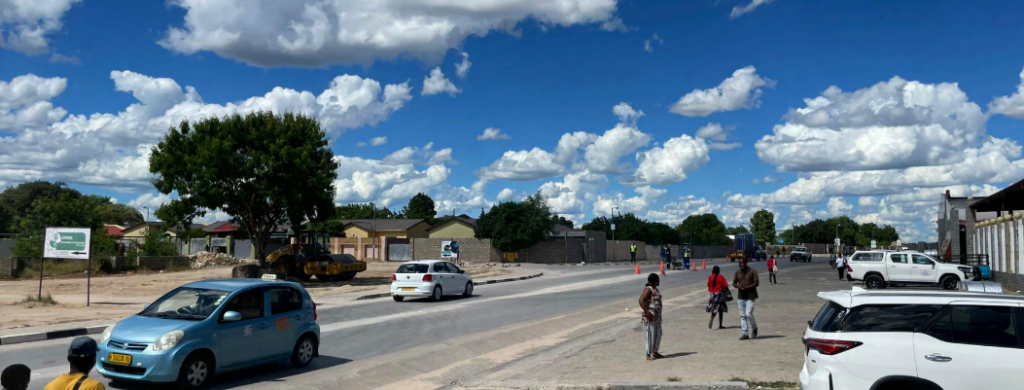
Located along the Kavango River, Rundu is home to more than 100 000 residents and serves as the economic hub of the Kavango regions. However, rapid population growth and urban migration have placed pressure on public services and infrastructure.
Reports indicate that the town’s population has been increasing by more than 5% annually, creating challenges in housing, sanitation, water supply and healthcare facilities. Residents say that despite the town’s size and strategic location, development has failed to keep pace with the growing population.
One resident, Martin Kudumo, said a number of neighbourhoods still struggle with poor roads, inadequate sewage systems and unreliable water supply, while informal settlements continue to expand around the town.
He added that unemployment remains one of the biggest concerns. According to the Namibia Statistics Agency (NSA), the unemployment rate in the Kavango East Region stands at about 52%, with youth unemployment exceeding 60%.
The majority of those employed work in elementary occupations such as domestic work, agriculture and small-scale trading, reflecting limited formal employment opportunities in the region.
Meanwhile, local authorities also face financial difficulties affecting service delivery. The Rundu Town Council has accumulated sizeable debt, partly due to unpaid municipal bills by residents. This has limited the Council’s ability to invest in infrastructure projects such as road upgrades, electricity expansion and sewer systems, revealed town mayor Andreas Jikerwa.
Another resident, Marco Mukerenge, said the town currently relies mainly on the Rundu Intermediate Hospital, which serves not only the town, but also residents from the wider Kavango East, Kavango West and Zambezi regions.
He said the facility is overwhelmed and that there have been calls for the construction of a full district hospital to cope with growing demand.
Mukerenge added that the situation reflects a broader imbalance in national development, arguing that towns outside major economic centres like Windhoek continue to lag behind in infrastructure investment and economic opportunities.
Youth activist David Nekaro said limited funding, lack of political will and poor engagement between leaders and residents are among the main factors slowing development in Rundu.
Speaking to The Villager, Nekaro said there is a mismatch between the town’s growing population and the municipal budget, noting that Rundu receives one of the lowest town budgets in the country despite being the second-most populated town in the country.
He also cited leadership differences as a challenge, explaining that some projects stall due to conflicting decisions. Nekaro shared an example of a road in the Kehemu area near Juneru which previous leadership said could not be constructed due to engineering challenges, but was later built within a month by the new leadership.
Nekaro further highlighted difficulties in land allocation for development such as schools, as well as fractured connections between the community and local leaders, saying many concerns raised through meetings, protests and radio discussions are rarely addressed.
On water shortages affecting informal settlements, he said the problem has persisted for years despite complaints from residents. While government has proposed long-term solutions such as a dam construction, Nekaro said local authorities have not implemented enough short-term measures to assist affected communities.
Local leaders and residents are now calling for increased government investment, improved urban planning and stronger economic initiatives to unlock the potential of Rundu and improve living conditions for its rapidly growing population.