



By: Staff Writer
The Ministry of Agriculture, Fisheries, Water and Land Reform has granted Omalaeti Foods registration certificates for its line of animal feed offerings.
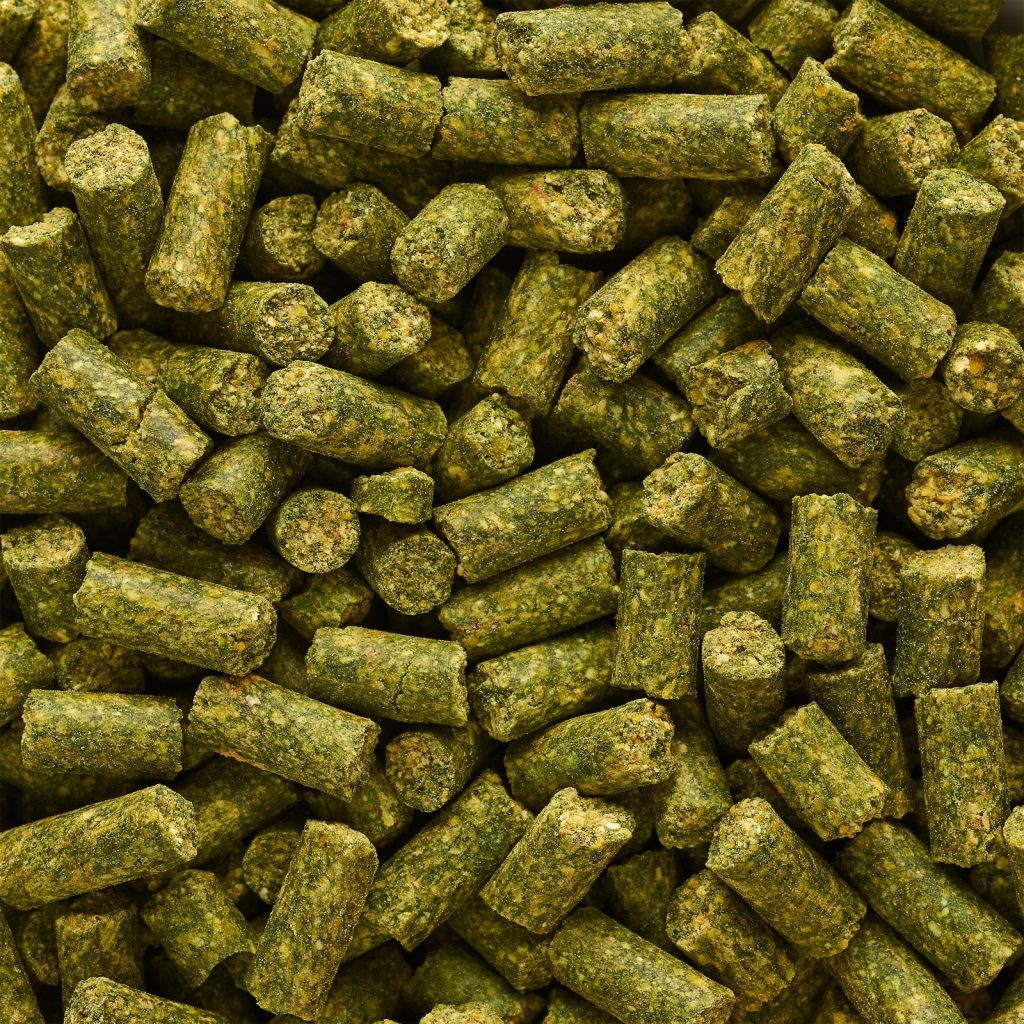
The products, being sold under the “Munna” banner, consist of an all-purpose supplement, an ultraboost supplement, a prime supplement, and a ruminant supplement, all rich in nutrients that include protein, calcium, fats & oils, and nitrogen.
The certification comes at a time when the country’s livestock sector faces high input costs and rising agricultural inflation, with animal feed and pharmaceuticals being one of the culprits together with pharmaceuticals.
Speaking to Eagle Media House, Omalaeti Foods owner, John Walenga, expressed his positive outlook on the product certification.
“Receiving the certification for our products is the culmination of all the hard work and research that we have done in the last four years,” Walenga said.
As a seasoned farmer and entrepreneur, Walenga stated that the idea to manufacture animal feed was born from the primary principle of entrepreneurship: providing a solution to a common problem.
“High feed costs were becoming a problem not only for our operations, but for the wider farming community,” Walenga expressed.
“We came up with a cost-effective solution that we are proud to bring to the market,” Walenga added.
All four of Omalaeti Foods’ products contain azolla, which the company organically grows, as the primary ingredient in the scientifically authenticated and proprietary feed formula, he noted.
On the composition of the product, he said the Omalaeti Foods’ feed offerings are 100% organic as well as 100% Namibian-owned, sourced, packaged, and produced.
When asked about the other ingredients in the feed, he stated that every ingredient is organic.
“There’s no business without a secret. However, we can give our clients peace of mind on the fact that all the ingredients in our feed are GMO free,” Walenga said.
He said azolla is a highly nutritious and sustainable feed option for all forms of livestock, including fish, due to its richness in crude protein.
According to their research and other studies they have referenced, feeding azolla can lead to an increase in egg size and production in laying chickens, increase in butterfat and milk production in dairy cows and it also increases weight gain in broilers and ducks.
“This is very good. Kudos to the team. This is what we want to see. This is part of food security. I am really impressed,” said Oshikoto Governor, Sacky Kathindi when he inspected a bag of the Munna feed.
Equally, Governor of the Oshana region, Hofni Iipinge, praised the product and called on the nation to support locally researched initiative.
“This is good feed for our animals; it is full of nutrients. Let us support it when it comes to the market,” Iipinge said.
According to the Omaleti research team, azolla reduces feed costs because of its nutritional makeup.
They explained that azolla can have up to 40% protein, compared to the 20% found in other feeds.
“The formula we created has reduced our feed costs by 40%,” Walenga stated.
For cattle, the high protein and mineral content of azolla stimulates lactation, increasing daily milk production by up to 20% without any side effects.
Moreover, its high digestibility allows livestock to absorb nutrients faster, which results in quicker growth, better muscle development, and overall weight gain.
Apart from being the primary ingredient in the feed formula, the cultivation of azolla by Omalaeti Foods has the potential to unlock more elements in the agricultural value chain.
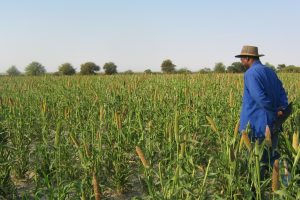
Walenga explained that the maize and azolla used in the feed formula is sourced from communal farmers in the Mangetti area.
The early stages of Omaleiti Foods’ cultivation of azolla began with selling seedlings of the fern to local farmers and teaching them how to grow it on their own.
“We have created a large pool of potential suppliers of azolla,” Walenga said.
“The cultivation of organic yellow maize is a well-known national challenge. To keep up with the demand, we will source it from local farmers,” Walenga explained.
“So just think about the knock-on effect. The more animal feed we produce, the more azolla and maize we will need. That directly activates the agri value chain and creates more jobs on farms, in the logistics industry, as well as the wholesale and retail industries,” Walenga expressed.
“The mission is to reduce the cost of animal feed across all the sectors,” Walenga concluded.