


By: Nghiinomenwa-vali Hangala
NamPower and Angola’s energy utility have signed a Joint Development Agreement to develop the Angola-Namibia Power Interconnector Project, ANNA, enabling Namibia to buy power from Angola.
NamPower announced the agreement yesterday.
Angola has one of the biggest power surpluses in southern Africa. However, it is unable to sell its excess power to its southern neigbours, including Namibia, as there is no transmission connection.
The ANNA Interconnector project cost is estimated at N$941 million (US$52.3 million), and the completion date is scheduled for 2029.
The Namibian government, through Cabinet, approved the development of the project as a strategic infrastructure investment by the Ministry of Industries, Mines and Energy through NamPower in February this year.
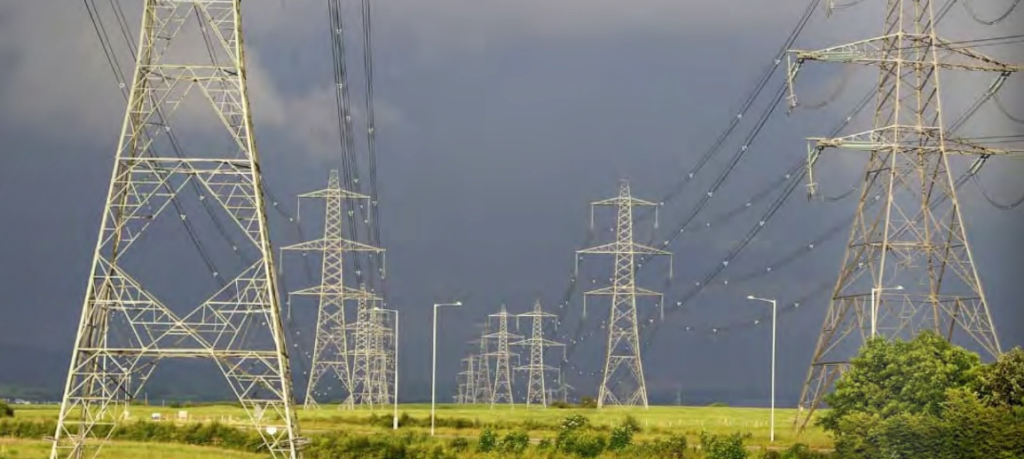
The ANNA Transmission Interconnector Project entails the construction of a 166km (30km in Namibia) 400kV line between Kunene (Namibia) and Cahama (Angola) substations.
This includes a 400kV line feeder bay, 400kV/330kV transformation and a Static VAR Compensator (SVC) at the Kunene Substation.
The ANNA Interconnector will further be supported by the construction of a 270km transmission line between Omatando and Otjikoto substations.
According to NamPower’s statement, the planned infrastructure expansion projects aim to facilitate the establishment of a transmission corridor between Angola and Namibia and connection to the Southern African Power Pool (SAPP) grid to become an operating member.
The SAPP is the most advanced energy market in Africa, according to the African Chamber of Energy.
NamPower has also indicated that the Namibian Cabinet has also endorsed the mobilisation of funding through the National Energy Fund (NEF).
This would be to cover Namibia’s share of capital costs, in line with the NEF’s mandate to support infrastructure that improves energy access and affordability.
Given the interconnection, Namibia will also be buying electricity from Angola.
“The two utilities also signed a bilateral Power Purchase Agreement, which establishes the technical, institutional, and commercial framework for the implementation of the ANNA Project,” updated NamPower.
Namibia currently imports most of its power from South Africa (50%), followed by Zambia, Zimbabwe and the SAPP.
However, the Zambian and SAPP power have been the costlier options, as they are priced in US Dollars.
Commenting on the signing, NamPower’s managing director, Kahenge Haulofu said the partnership represents far more than the formalisation of two agreements, but an enduring and longstanding partnership between NamPower and Rede Nacional de Transporte de Electricidade (RNT-EP).
He added that the agreement also reflects the shared commitment to regional integration, energy security, and sustainable economic development.
Haulofu further stated that, as energy demand across the SADC region continues to rise, coupled with persistent supply constraints, the project offers a practical and forward-looking solution.
With that, he explained that the ANNA Project creates an opportunity to optimise and share respective energy resources more effectively, thereby supporting the evolving needs of the SAPP and contributing to regional energy security.
erastus@thevillager.com.na