


By: Annakleta Haikera
Kavango West has recorded a rise in malaria cases, with 24,360 cases reported from January to September this year, compared with 22,000 cases during the same period in 2025, an increase of 2,360 cases.
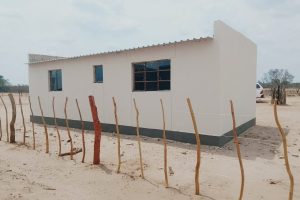
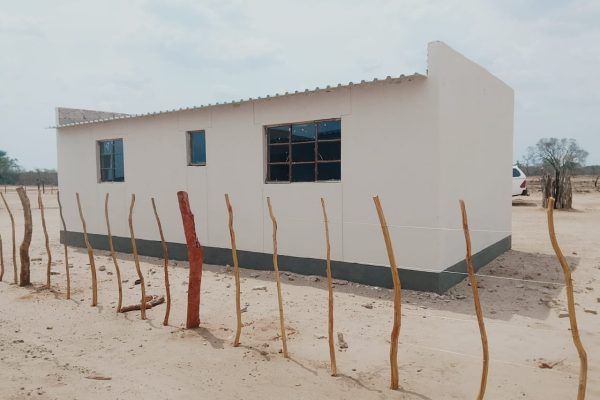
The figures were revealed by Kavango West Regional Health Director Fransiska Hamutenya during the handover and inauguration of five sanitation facilities at health centres in the region on Tuesday.
Despite the increase in cases, malaria-related deaths have declined significantly, from 18 deaths recorded between January and September 2025 to three deaths this year.
Hamutenya said the increase highlights the continued need for communities to cooperate with malaria prevention measures, including indoor residual spraying.
She said Ncamagoro Constituency has recorded the highest number of malaria cases, with villages such as Mupini, Bunya, Kapako and Halili among those recording high numbers of infections.
Hamutenya urged communities to support the spraying campaign by allowing health workers access to the rooms where people sleep, rather than only opening empty rooms for spraying.
She said children and school-going learners are among those most affected and urged them to encourage their parents to allow spraying teams into their homes.
Hamutenya expressed concern over persistent misconceptions surrounding indoor residual spraying.
“Malaria can be prevented and treated. To save lives, the government has introduced indoor residual spraying to reduce, if not eliminate, mosquitoes,” she added.
“The chemical used does not increase insect populations, contrary to some claims, nor does it cause harm in any significant way,” Hamutenya said.
“We do not select just anyone to carry out the spraying; we employ trained personnel for this task,” she said.
During the malaria spraying campaign launched last month, Ukwangali Traditional Authority Hompa Eugene Siwombe called on communities to cooperate with malaria indoor residual spraying teams.
Siwombe was speaking at the launch of the campaign in Nkurenkuru, which will run until early December and aims to achieve 85% coverage.
He urged residents to allow health officials access to their homes, saying the campaign is critical to protecting vulnerable groups.
“I want the campaign to cover all the villages. Health officials must spray inside our homes, as this will be crucial in our fight against malaria,” Siwombe said.
“I am advocating for a zero malaria target. We cannot afford to have cases of child mortality due to our ignorance or failure to adhere to government initiatives. By next year, I do not want to hear of anyone suffering from malaria.”
The increase in Kavango West comes amid a wider malaria resurgence in Namibia.
The government reported 16,245 malaria cases, 731 admissions and 41 deaths nationally during the 2024/25 period, following the declaration of a malaria outbreak in December 2024.
The outbreak intensified in 2025, with the World Health Organization reporting 95,412 malaria cases and 152 deaths nationally by 27 July 2025.
In 2026, Namibia had recorded 63,436 confirmed malaria cases, 4,816 admissions and 65 deaths by epidemiological week 16, according to the WHO.