




By: Annakleta Haikera
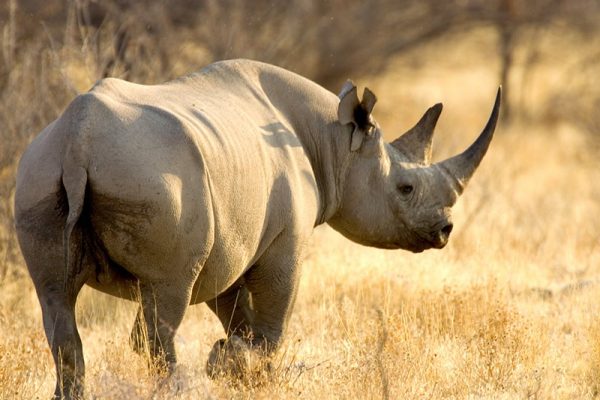
Lodge owners and conservationists along the Kavango River have communicated concerns about hippo poaching posing a threat to wildlife and tourism in the area.
According to Mark Paxton, owner of Shamvura Camp lodge situated between Rundu and Divundu in the Ndiyona Constituency.
Speaking to The Villager on Monday, Mark Paxton, owner of the Shamvura Camp lodge situated between Rundu and Divundu in the Ndiyona Constituency, said repeated reports to authorities, including the Ministry of Environment, Forestry and Tourism and the Namibian Police, have yielded little action, allowing for continued poaching.
Paxton shared his observations that declining hippo sightings have already affected tourism in the area, as visitors mainly travel to the Kavango River to view the animals.
“Tourists come here expecting to see hippos, but the numbers have dropped sharply due to poaching,” he said, warning that continued losses could harm the region’s tourism economy.
A long-time river guide and conservationist has also spoken to the noticeable decline in hippo numbers along the Rundu river stretch, blaming intensified poaching and years of weak law enforcement.
The conservationist said hippos were largely absent from the area in the late 1990s, but showed increased presence around 2002 following restricted human activity during the Angolan civil war, when military presence limited fishing and river use.
“With reduced human pressure, wildlife started recovering. Hippos gradually returned, and for years we saw steady growth,” he shared.
POACHING IMPACT
The situation reportedly worsened in recent years, with frequent gunshots heard along the river from October last year.
Several incidents were allegedly reported to the Ministry of Environment, Forestry and Tourism (MEFT) and the Namibian Police, but no immediate investigations are said to have followed. Paxton added that a contributing factor is that poachers were able to butcher a hippo in less than an hour, leaving little physical evidence.
However, a breakthrough came after a tip-off about a suspect allegedly shooting hippos from the Angolan side of the river incited coordinated operations between Namibian police and their Angolan counterparts.
Paxton claims three suspects were arrested in Namibia and 12 in Angola, all of whom were Namibian and Angolan nationals. Some of these suspects were allegedly released on bail and later re-offended. Community frustration has reportedly grown, with residents said to have chased after a suspected repeat poacher.
Hippos play a critical ecological role in river systems and are a key tourism draw for the Kavango East Region, making effective law enforcement essential.
Ndiyona station commander, Inspector Josef Albin, said poaching is uncommon in the constituency, although he confirmed one case reported by a lodge owner claiming a suspect poached a hippo on the Angolan side of the river, reportedly assisted by suspects from the Namibian side. This resulted in the arrest of four suspects near Shamvura: one Angolan and three Namibians.
Albin also refuted the allegations that hippos may have migrated from one place to another and stated that the statistics used by the lodge owner are doubtful, as hippos are seldom concentrated in one area for an extended period. He added that though he acknowledges the frustrations of lodge owners and conservationalists alike, there have been very few hippo poaching incidents, according to police records.
The Villager reached out to MEFT spokesperson Vilho Hangula, who said the Ministry is yet to ascertain the veracity of the claimed reports, stating that no such hippo poaching has been reported.
Information obtained by The Villager shows that Namibia’s hippo populations, mainly along the Kavango, Zambezi, and Chobe rivers, are legally protected under the MEFT. The information also indicates that poaching persists, driven by demand for meat, teeth, and skin, and is often worsened by cross-border activity with Angola.