



By: Annakleta Haikera
Namibia recorded 542 suicide cases in the 2023/2024 reporting period, with men accounting for 449 of these deaths, equating to more than 82% of all suicide reports.
This is a trend that has not only prompted zooming in on men’s welfare, but also its impact on the loss of various skilled individuals.
In comparison, 80 of these suicide reports were women, eight were boys, and five were girls.
The Oshana Region recorded the highest suicide rate at 29.9 per 100,000 people, followed by the Zambezi Region with 16.8 per 100,000.
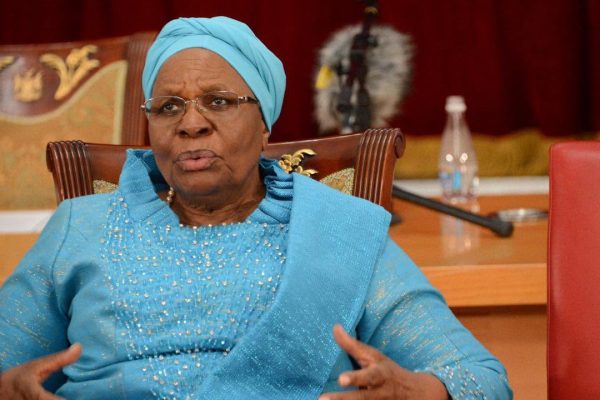
Speaking at the 5th National Men’s Mental Health Conference in Katima Mulilo on Monday, Minister of Gender Equality and Social Welfare, Emma Kantema, stressed the urgency of prioritising men’s health, noting that suicide remains one of Namibia’s most pressing public health concerns.
“These alarming numbers underscore a national crisis: behind every statistic is a father, son, brother, or friend whose life may have been saved through timely intervention, open conversations and a shift in harmful gender stereotypes,” Kantema highlighted.
Research shows that men are less likely to visit doctors regularly, talk about their mental health, and seek help, often resulting in preventable illnesses and avoidable deaths. Moreover, more men than women are currently incarcerated in Namibia, signalling deeper social and psychological struggles requiring targeted support.
Kantema emphasised that taking care of one’s health does not diminish masculinity. “A healthy man is a better father, a better partner, and a better leader,” she remarked.
Good health, she noted, means prioritising exercise, balanced eating, adequate rest and, most importantly, speaking openly to a doctor, friend or counsellor.
“More open conversations, like the one held today, can help challenge stereotypes and save lives,” she said.
Kantema urged Namibian men to reject damaging ideas of masculinity that promote silence and emotional suppression. Keeping quiet, she warned, only worsens mental distress and contributes to the rising suicide and incarceration rates.
According to Kantema, “mental health matters just as much as physical health.” Avoiding help for emotional struggles or mental illness, she said, perpetuates the crisis affecting men across the country. Seeking help, she added, is not a sign of weakness, but an act of courage and responsibility.
Kantema appealed to men to become leaders of change in their families and communities not through dominance or silence, but through compassion, integrity, and respect. She urged men to return home as agents of positive masculinity: listening, caring, practicing kindness and actively challenging gender-based violence.
She further called on fathers and mentors to raise children who value equality, respect and safety not through fear, but through empathy and support, stressing that the fight against gender-based violence and the commitment to men’s mental health must be daily responsibilities, not seasonal conversations.
Meanwhile, several men who attended the conference shared that one of the main reasons they do not report abuse, including gender-based violence, is the fear of being ridiculed or becoming subjects of gossip.
Most chose to speak anonymously when interviewed.
“I also worry that even if I go to the police, no one will believe me. Then I’ll be the one who loses respect among my friends. It feels easier to stay quiet, even when the pain is eating me from the inside,” one man said.
“Sometimes I ask myself: what’s the point? If I speak out now, people will gossip or treat me like I’m damaged. I would rather pretend it never happened than be judged by people I know,” another added.
“Even when I think about speaking to someone I trust, I worry they won’t understand. Some people say, ‘Men can handle anything,’ and that makes me question whether my feelings even matter,” another man concluded.