


By: Loise Shiimi
The Ministry of Health and Social Services has received a donation of three ambulances from the government of Japan.
During the handover ceremony, Noriaki Sadamoto, Chargé d’Affaires and interim head of the Embassy of Japan in Namibia, noted that the three ambulance trucks are valued at N$9 million.
They form part of the Japanese Grant Aid for the Economic and Social Development Programme to the Government of the Republic of Namibia.
The total value of this programme is approximately N$50 million, and additional medical equipment was already distributed to 17 hospitals in Namibia in 2022.
“The donation of these ambulances is a testament to the enduring friendship and cooperation between our two countries. Japan has a long history of providing assistance to Namibia, and we are committed to continuing our support to strengthen Namibia’s healthcare system and improve the lives of its people,” Sadamoto said.
He emphasised that access to quality healthcare is a fundamental human right and that Japan is dedicated to collaborating with Namibia to ensure that every Namibian can lead a healthy and productive life.
Over the years, Japan has funded various projects through different UN agencies, such as WHO, UNICEF, and UNFPA, focused on achieving universal health coverage (UHC). These initiatives include effective cold chain management, access to quality essential healthcare services, and the availability of safe, effective, and affordable essential medicines and vaccines for all.
Earlier this year, UNICEF Namibia received a total of N$8.63 million from the Japanese government’s supplementary budget.
In this regard, Sadamoto noted that working closely with the Ministry of Health and Social Services and the Ministry of Agriculture, Water, and Land Reform is integral.
The funds will benefit approximately 48,000 people in the Kunene, Omaheke, Omusati, and Zambezi regions by equipping and operationalising paediatric wards and clinics with essential life-saving equipment, nutrition supplies, and technical support for system strengthening.
“The funds will also be used to procure and distribute essential WASH supplies to households and schools in affected communities within the target regions,” he added.
The three donated ambulances will be allocated to three hospitals: Opuwo District Hospital in the Kunene Region, Katima Mulilo District Hospital in the Zambezi Region, and Keetmanshoop District Hospital in the Karas Region.
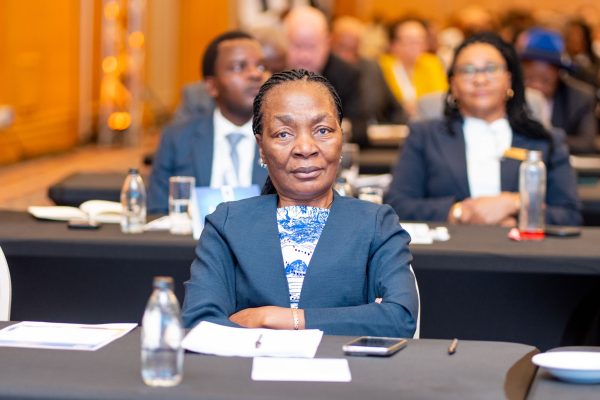
Health Minister Esperance Luvindao, in her address at the handover ceremony, noted that an ambulance is more than just a vehicle; it represents hope, urgency, and the ability to save lives when every second matters.
She expressed her gratitude to the government and people of Japan, stating that this is an act of solidarity, and not only a gift of ambulances, but also a gift of health, dignity, and renewed strength for the emergency medical system.
“These ambulances will strengthen our emergency medical services, improve response times, and ensure that patients, whether from remote villages or busy towns, can access critical care when they need it most. They are not just machines; they are mobile extensions of our hospitals and clinics, bringing healthcare closer to those in need,” she said.
Reflecting on her personal experiences, the minister mentioned the challenges faced by patients in remote areas. She recounted visiting a rural clinic in the Zambezi Region, where she met a young mother who had to travel over 50 kilometres by donkey cart to reach the clinic when she went into labour.
“While the outcome was ultimately positive, this story underscores the critical need to bridge the gap between our health facilities and the remote communities they serve. It reinforced my commitment to enhancing our emergency response capabilities, ensuring that no one is left behind due to geographical constraints,” she remarked.
Months ago, the ministry commissioned 36 ambulances that were procured and dispatched to all 14 regions of Namibia.