



By: Patemoshela Lukolo
Namibia marked Heritage Week in the past week with calls from government and traditional leaders to preserve cultural practices and ensure they are passed on to younger generations.
The official celebration was held at the National Archives of Namibia under the theme ‘Bahindi Belambi lye chizo chetu,’ translated as “Torchbearers of our heritage” from the Subiya language.
Delivering the keynote address, Sarah Negumbo, acting deputy executive director at the Ministry of Education, Innovation, Youth, Sports, Arts and Culture, said the torch represents knowledge, tradition, culture, and continuity.
She said torchbearers include traditional leaders, artists, historians, politicians, elders, educators, and activists, adding that every individual carries the responsibility.
“Being a torchbearer means actively engaging in the transmission, continuation, and preservation of cultural richness so that it does not fade away,” she said. Negumbo shared a personal account of how her grandmother gathered children around the fire to tell folktales, explain rituals, and teach songs.
She said her grandmother was a “true torchbearer” who passed on history, values, and identity. She encouraged Namibians to take pride in their cultural identity, embrace diversity, and guide the younger generation to become torchbearers.
Speaking to Eagle FM Radio, Sakeus Shiimi Shangula of the Ongandjera Traditional Authority said heritage is “a very important thing to remember” and warned that many Namibians are adopting European cultures while local traditions are being lost.
“When we say heritage, this is the kind of life we inherited from those who are no more,” he shared. Shangula added that heritage should be practiced daily, through dressing in cultural clothes and eating traditional food, both in villages and in towns, so that children learn by example.
He said language remains central to cultural identity and expressed concern that many young people are unable to express themselves in their mother tongues, noting that the first education of a child ought to begin at home, with schools supporting through other languages.
Shangula also encouraged that cultural values guide daily conduct, calling for children to be taught rules at home, respect for elders, and modesty in dress.
“Culture should not only be something to remember, but an everyday thing to teach kids, and you should start at a young age because if you wait until they are older, it will be difficult,” he remarked.
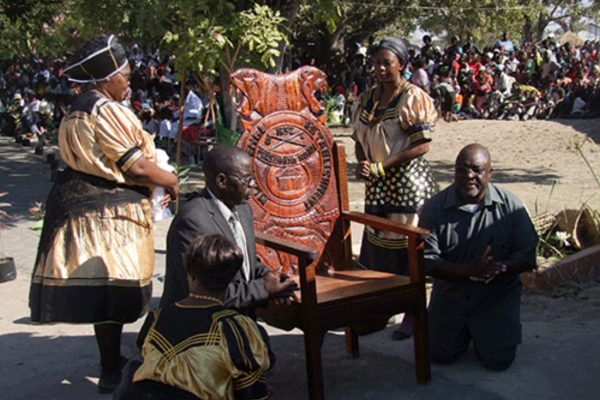
Heritage Week was introduced in 2012 to promote access to cultural institutions and has since developed into an annual event. It encourages communities to celebrate tangible heritage such as historic sites, monuments, and archives, as well as intangible heritage, including languages, stories, music, rituals, and customs.
The week also aims to strengthen participation in cultural tourism. This year’s programme included exhibitions, performances, and workshops organised by schools, cultural organisations, traditional authorities, and communities.
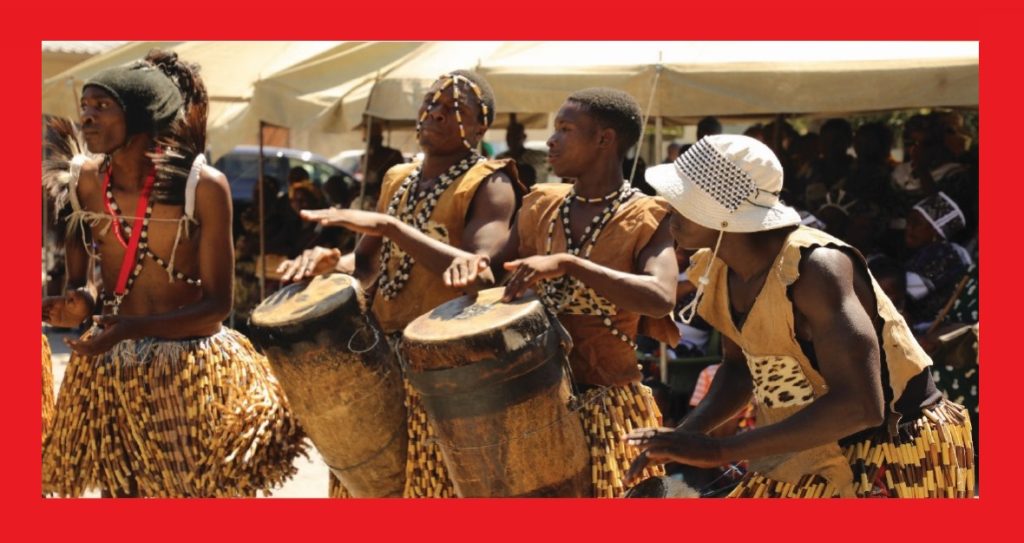
Activities included storytelling, dance, indigenous food, and cultural attire. Organisers said the intent was to promote heritage beyond the week and encourage continued practice in homes and communities.
Namibians are being called on to act as torchbearers, carrying forward the practices, languages, and traditions inherited from previous generations, passing them on to the next.