



By: Patemoshela Lukolo
Farmers in northern Namibia have welcomed the establishment of a certified seed sector, saying it will reduce dependence on imports and ease the burden of high input costs.
Speaking to Eagle FM, Ohangwena farmer Asser Nghipewa said he was pleased that Namibia is moving towards producing its own seeds. He believes this will not only strengthen food security, but also give farmers confidence that their efforts are supported at a national level.
“We are very happy to be able to produce our own food using our own seeds. This shows Namibia is going forward, and one day we will achieve full food security,” Nghipewa remarked.
He explained that farmers have long struggled with imported seeds, which are often expensive and sometimes unavailable.
“When seeds come from other countries, they become costly, or at times, they are not in the market, and we have to wait. With local seed production, we will now get seeds on time,” he added.
Nghipewa highlighted crops such as butternut, sweet corn, tomatoes, and carrots, which many farmers currently buy their seeds of in Windhoek, as the northern regions lack outlets.
He noted that the Namibia Agronomic Board has often encouraged farmers to grow potatoes, but the absence of locally available potato seeds has made this difficult. He also welcomed UNAM’s approach, under which the first buyers of certified seeds will be required to use it for further multiplication rather than immediate consumption.
“That is good thinking, because if we all buy for food consumption, then we go back to square one,” he stated.
However, he pointed out challenges that still remain, such as the lack of fruit seeds like oranges and apples, and the absence of specialised sweet potato seeds.
He urged UNAM and the government to scale up seed production to cover more crops and ensure availability nationwide.
Nghipewa further called on educated Namibians with farming knowledge to contribute ideas and solutions for improving the country’s agricultural systems.
“Not only should UNAM work on this. We also have people with knowledge who can help improve our farming practices,” he said.
Water scarcity remains another concern. Nghipewa noted that Namibia’s short rainy season limits year-round production, underscoring the need for irrigation systems to complement the seed initiative.
Despite the challenges, he encouraged farmers to remain committed. “Farming requires a long-term vision. Many give up after the first failure, but we must persist if we want to secure our future,” he encouraged.
Vaino Namushinga, a farmer from Oshikoto Region, said local seed production will help communities cut costs while also boosting participation in agriculture.
“Purchasing seeds from distant sources is costly, as most inputs in Namibia are imported. Local seed production will not only reduce expenses, but also build national pride and strengthen the agricultural sector,” Namushinga said.
He added that while crops such as tomatoes, spinach, and watermelons are largely grown using seeds from South Africa, there is need to prioritise varieties already produced locally.
He pointed to the example of UNAM’s Ongongo campus, which produces rice seed, reducing dependence on imports from China and Japan.
Namushinga also welcomed UNAM’s progress on potato seed research, noting the crop’s high national demand.
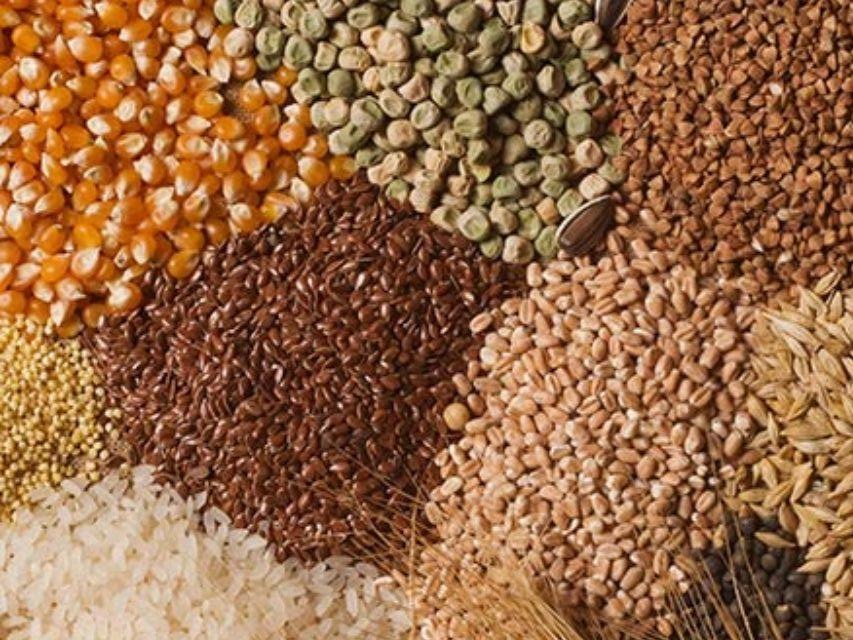
The certified seed initiative is being spearheaded by UNAM in partnership with the Namibia Agronomic Board, with support from the government. It is expected to reduce imports and improve productivity in crops such as maize, pearl millet, wheat, and potatoes.