
By: Hee-Dee Walenga
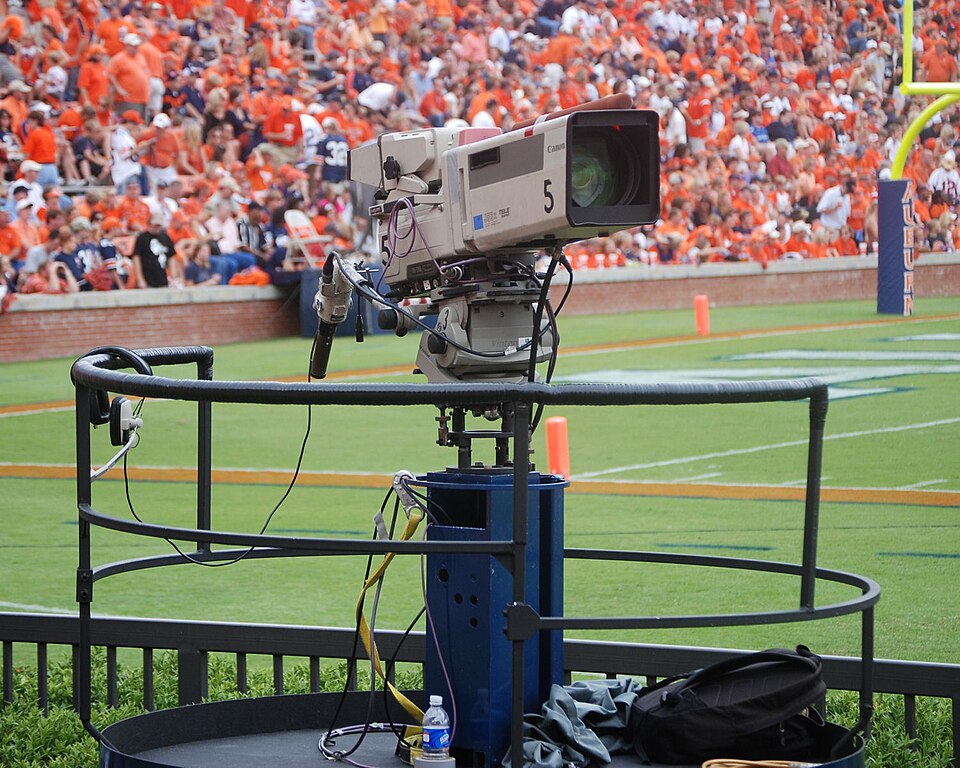
Namibian broadcasters do not pay for rights to air sporting events, with various sports teams providing entertainment for free despite heavy investment in training, acquiring players, and the general maintenance of the team.
In the world of professional sports, broadcasting rights are generally seen as the number one revenue driver.
The biggest sports broadcast deal in the world is the National Football League’s (NFL) US$110 billion 11-year (through 2033) deal with partners such as ESPN, Fox, Paramount, NBC, and Amazon.
Some other notable deals include the English Premier League’s 4-year (2025-2029) US$8.4 billion deal with Sky Sports and TNT Sports.
In February of this year, The Pakistan Cricket Board announced a broadcast and live-streaming rights deal with Walee Technologies for the HBL Pakistan Super League (HBL PSL) during the 2026-29 cycle worth US$93.5 million.
Closer to home, in 2021, Azam Media Limited signed a 10-year deal with the Tanzanian Premier League worth 225 billion Tanzanian Shillings. That is the equivalent of N$1.5 billion.
So, until 2031, the Tanzanian Premier League is bringing in over N$100 million per year just from a broadcast rights deal.
In 2007, SuperSport bought the broadcasting rights of South Africa’s Premier Soccer League (PSL), in a deal worth R1.6 billion over 5 years. That same deal was renewed at R2 billion over 5 years in 2011. In the 2018-19 season, PSL clubs were receiving R2 million per month from the league, funded primarily by the league’s broadcasting deal at the time.
In Namibia, the picture looks very different. As a supporter of Namibian football, you can watch Namibian football on television or the internet, without directly paying for it.
While that may seem as a welcomed convenience for viewers, it is a loss of hundreds of thousands or potentially millions of Namibian dollars for the Namibia Premiership League (NPL) clubs and its players.
Perhaps not a coincidence, but the two clubs who were fighting for the league title until the very last match of the 2025/26 season, African Stars and Eeshoke Chula Chula, have recently publicly spoken out against this untapped revenue source.
Chula Chula published a statement after a local media company used the Chula Chula brand to promote a sponsored radio campaign and sponsored broadcast of its matches.
“We want to make it clear that no agreement exists between One Africa TV and our management regarding this livestream and promotion,” the northern-based club said in a statement.
This is the exact problem facing local football clubs. Media companies can air their matches and generate revenue by selling advertising space on the broadcasts without paying a single dollar to the footballing clubs.
The livestream in question has been sponsored by Carling Black Label all season long. It is safe to assume the partnership between the media and beverage company is not held free of charge.
Chula Chula’s Marketing Manager, Jackson Peuyelenga Da Silva, told The Villager that clubs deserve a piece of that pie.
“Broadcasting our matches creates commercial value for media houses through advertising and audience growth. Therefore, even if full market rates are not yet feasible, there must be a structured approach towards fair compensation, even if it starts at a modest level and grows over time,” he explained.
Da Silva added “Clubs cannot continue to carry the financial burden while others benefit commercially from their product without contributing.”
In fairness to the media companies, they may be seen to simply maximise on a loophole in the Namibian sporting ecosystem. At the time of writing, there is no legislation in place that requires broadcasters to pay for the ‘right to air.’
In fact, the Ministry of Sports is of the opinion that local broadcasters can’t afford it. “Most broadcasters are not yet at a stage where they are able to pay for the ‘right to air,’” the Ministry told The Villager in a statement signed off by Executive Director, Gerard Vries.
Opposing the Ministry’s statement, Da Silva expressed that “We believe that this position cannot justify the continued use of club content without compensation. Football is not only a sport, but also an industry that requires significant financial investment to operate sustainably.”
African Stars chairman Salomo Hei has publicly spoken out against this as well. Three years ago, a reported feud between African Stars and the national broadcaster resulted in the club’s matches not being aired.
The Ministry stated that “Negotiations relating to broadcasting rights and commercial agreements are primarily the responsibility of the respective clubs. Ideally, broadcasters should contribute financially to clubs for the rights to air content, as this is a key component of a professional sports ecosystem. However, the current landscape reflects differing levels of understanding and market readiness among broadcasters.”
Responding to questions submitted by The Villager, the Ministry also stated that it cannot interfere in engagements between clubs and broadcasters due to the absence of any regulatory framework.
“However, as part of the ongoing Sports Professionalisation Blueprint, the Ministry is exploring policy measures that will help create a more structured and equitable environment for all stakeholders.”
The aforementioned lucrative broadcasting deals were not negotiated by the federations themselves, but by independent bodies employed by the federations with the sole task of maximising the value of a particular product. In this case, a football league.
The current ‘deal’ for the national broadcaster and One Africa TV to air NPL games was negotiated by the Namibian Football Association (NFA). This is among the reasons why the local footballing community has called for an independent body to handle such matters, which is scheduled to take place with the start of next season.
If professionalising sports in Namibia is truly a goal for Namibian sports stakeholders, the above situation will need to be attended to as a matter of urgency, lest the current professional sporting model continues to include teams being paid in exposure.