

By: David Shoombe
An analysis by the Food and Agriculture Organisation (FAO) in Namibia has found that strategic investment in food security has decreased over the years, despite the government’s various declarations of agriculture as a sector.
Moreover, every year Namibia has a food insecure population due to inadequate harvest and high food prices.
The FAO tracks the Agriculture Orientation Index figure, which shows that public investment in the sector most critical to rural livelihoods and food security has been on the decline. Patrice Talla, Interim Representative for the FAO in Namibia, stated that the country’s agriculture orientation index currently stands at 0.26, from 0.54 in 2001.
“These are not statistics. They are human realities,” he said. Talla made these remarks during the signing of the Country Programming Framework (CPF) for 2025-2029 in collaboration with the Ministry of Agriculture, Fisheries, Water, and Land Reform.
Talla indicated that Namibia is in urgent need of transforming its agri-system to improve livelihoods and restore national dignity.
“Today, 57.2 percent of the Namibian population experiences moderate or severe food insecurity, nearly one in five Namibians is undernourished, and more than one in five children under the age of five is stunted,” stated Talla.
The CPF 2025-2029, valued at US$15.65 million, is anchored in the FAO’s global strategic vision: the “Four Betters” – Better Production, Better Nutrition, a Better Environment, and a Better Life for all.
Better Production means tackling Namibia’s structural dependence on food imports — currently 50 to 80 percent of requirements — by improving production and productivity, supporting climate-smart practices and unlocking the potential of smallholder farmers, who make up over 70 percent of the sector.
Better Nutrition means confronting Namibia’s triple burden of malnutrition: stunting in children, micronutrient deficiencies in women, and rising diet-related disease in our cities. That said, in 2024, only 62.3 percent of women aged 15 to 49 met minimum dietary diversity standards.
In the 2025/2026 National Budget Appropriation Bill, the vote for agriculture stood at N$2.52 billion, whereas in the 2026/2027 budget appropriation bill it stood at N$1.83 billion, showing a notable funding decline.
The FAO representative further noted that the organisation’s global strategic vision aligns with the national development strategies, as its main role in the agreement will be to support the government. This includes providing technical support to improve smart agriculture, climate resilient practices, and technical support to unlock the potential of smallholder farmers who account for about 70% of the agricultural sector. The initiative also looks at the need to secure impact on the ground, regardless of the decline in securing global funding.
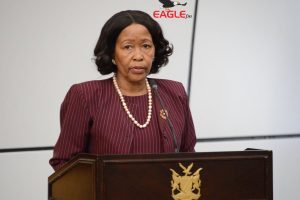
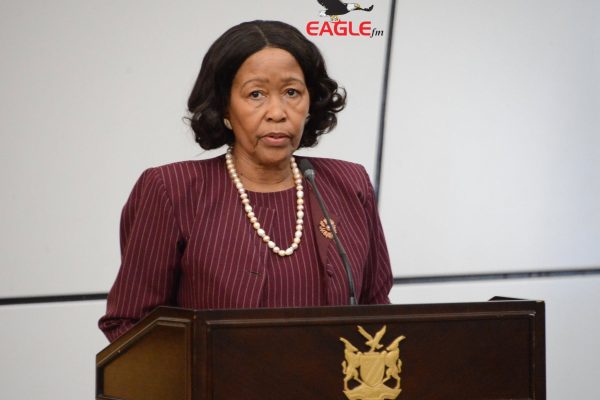
Agriculture Minister Inge Zaamwani-Kamwi stated that the collaboration with the FAO will ensure that Namibia remains resilient against the threat that could undermine food security and the livelihoods of citizens. She also noted that the framework would assist in building institutional capacity for the national agri-food transformation strategy.
Zaamwani-Kamwi stated that her Ministry will work with its implementation partners in bringing the project to fruition, which falls in line with capacity-building and the provision of technical capacities to improve food production.
These partners include the Namibian Agronomic Board, Agro-Marketing & Trade Agency (AMTA), and the Livestock and Livestock Products Board of Namibia (LLPBN).
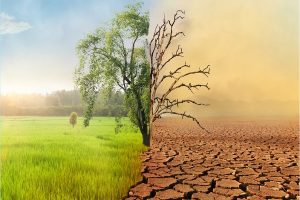
Namibia continues to be one of the semi-arid countries negatively affected by climate change, at times proving unable to meet food sustainability standards. Namibia has continued to be a recipient of aid, receiving food parcels from international partners such as China and South Korea, among others.
By the end of 2025, Namibia received a batch of rice donations to the government, worth N$76.5 million, in a show of support to the 2024/25 drought relief programme. Recently, South Korea, in collaboration with the World Food Programme (WFP), donated 4,896 metric tonnes of rice valued at N$61 million to the Office of the Prime Minister to support the drought relief programme.
The sixth National Development Plan (NDP 6) looks to increase the agricultural output supply and innovation system, while promoting food security from 60% to 80%.