

By: Annakleta Haikera
More than 500 education infrastructure projects are being implemented across Namibia to reduce overcrowding and improve access to quality education.
To that effect, government has also directed all public institutions to prioritise the local procurement of furniture to create jobs and support Namibian manufacturers.
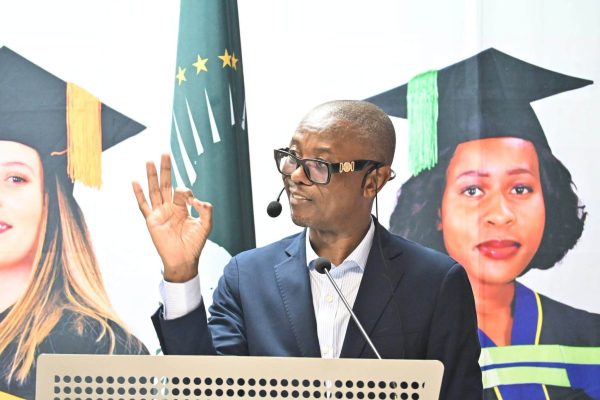
Prime Minister Tjitunga Elijah Ngurare made this announcement during the official inauguration of the renovated Ngcove Primary School in Ndama, Kavango East last Friday.
Ngurare said government procurement units have been instructed, through an exemption granted by the Ministry of Finance, to source furniture locally instead of importing it, ensuring that public spending directly benefits Namibian businesses and workers.
He said the Sixth National Development Plan (NDP6) recognises education as a key driver of economic growth, innovation and social inclusion, stressing that investments in schools are investments in Namibia’s future.
Ngurare added that the revamped Ngcove Primary School is proof that government is responding to the needs of communities.
He recalled visiting the school on 25 September 2025, where teachers and learners, including several orphans and San learners, appealed for improved learning conditions.
“A listening government has delivered, and that is why we are here today,” he said.
He added that quality education remains central to Namibia’s development agenda and that every child deserves to learn in a safe and dignified environment.
According to Ngurare, the number of schools in the Kavango East and Kavango West regions has increased from 192 four years ago to 197, reflecting government’s continued investment in expanding educational access.
He urged communities to protect and maintain the new facilities to ensure future generations continue to benefit.
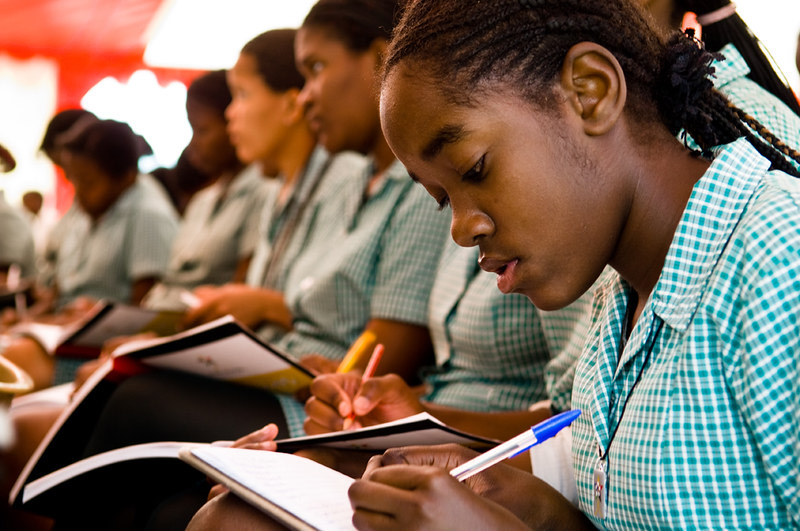
The reopening of the school was warmly welcomed by residents, who said the improved infrastructure would provide learners with a better environment in which to study.
Elizabeth Muhongo, a parent of four learners attending Ngcove Primary School, said she was grateful to the government for transforming the school.
She shared that parents had worried for years about the poor state of the classrooms, but the renovation has renewed their confidence in the education system.
Muhongo appealed to government to continue upgrading other schools in the region that are still in poor condition.
Another resident, Petrus Sikongo, said the project demonstrates that communities are heard when they raise their concerns through the proper channels.
He added that the local procurement of school furniture would also benefit Namibian businesses and create employment opportunities, especially for young people.
Ngcove Primary School came into the national spotlight in September 2025 after its deteriorating infrastructure drew public attention.
During a visit to the school, following a report by The Villager on its poor condition, government officials led by the Prime Minister witnessed overcrowded and dilapidated classrooms where learners were being taught under difficult conditions.
Teachers and the school management appealed for urgent government intervention.
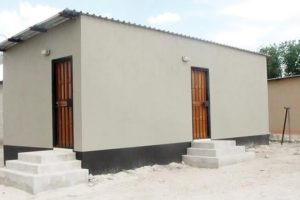
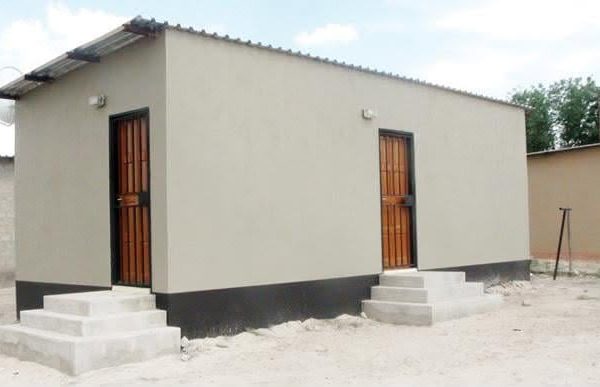
Following the visit, government committed itself to upgrading the school, and less than a year later the renovation was completed and officially inaugurated as part of the Education Ministry’s school decongestion and infrastructure improvement programme.