


By: Ridwan Oyenuga
Across Namibia, conversations about children’s development often focus on education, discipline, safety, nutrition and preparation for employment.
These priorities are essential. However, advocates working in youth wellbeing say another factor deserves equal attention: whether children feel heard by the adults responsible for guiding them.
Listening to children is sometimes treated as a soft or secondary responsibility. Yet it can influence how young people learn, communicate, build relationships, respond to pressure and participate in their communities.
For Namibia and Africa, improving children’s emotional wellbeing is not only a health issue. It is an investment in education, leadership, social stability and the continent’s future workforce.
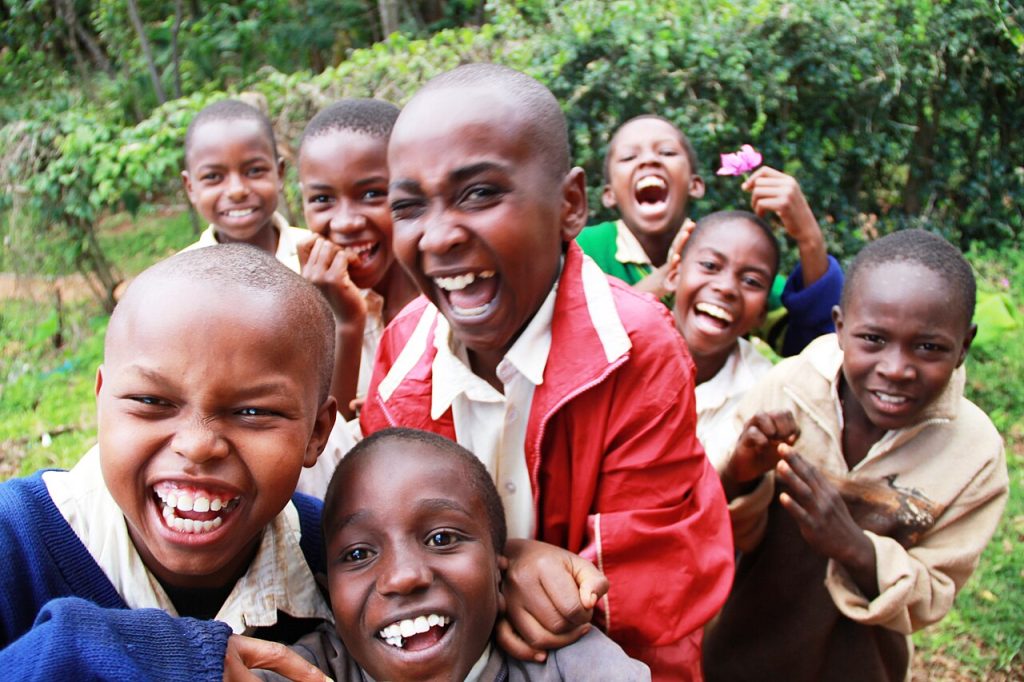
This is the thinking behind “The Child Behind the Smile: Every Behaviour Has a Story,” an Africa-wide public-awareness campaign led by SereniMind, a youth mental-health technology and advocacy organisation.
According to the organisation, its wider campaigns and media advocacy have generated more than 100 million media and digital impressions across over 25 African countries, with SereniMind’s work appearing in more than 75 media publications across 14 countries and three continents.
The scale of engagement suggests that families, educators and young people across the continent are looking for better ways to discuss emotional wellbeing.
Listening is not the absence of discipline
When children behave in unexpected ways, adults naturally want to correct them.
A learner who repeatedly interrupts lessons must understand classroom expectations. A teenager who neglects responsibilities should still be guided towards accountability. A child who treats others poorly should be corrected.
However, correction becomes more effective when adults also understand what may be influencing the behaviour.
Ridwan Oyenuga, founder of SereniMind, says listening should not be mistaken for excusing inappropriate conduct.
“Listening does not mean allowing children to do whatever they want. It means recognising that discipline can address an action while conversation helps adults understand what may be driving it.”
A child may be struggling with changes at home, bullying, academic pressure, grief, loneliness or difficulties with friends. Another may simply lack the language to explain frustration, embarrassment or fear.
The purpose of listening is not to diagnose every child. It is to make sure that adults respond to the complete situation rather than only the visible behaviour.
Why the conversation matters in Namibia
Namibia’s children are growing up in a country filled with opportunity, cultural strength and close community relationships.
Families, teachers, churches, youth organisations, sports clubs and community leaders all contribute to raising young people. These networks give Namibia a strong foundation for promoting child wellbeing.
At the same time, modern childhood is changing.
Young people are navigating academic expectations, rapidly developing technology, social-media comparison and uncertainty about their futures. Some are also growing up in households managing financial pressure, unemployment, long travel distances, family separation or responsibilities to extended relatives.
These realities do not mean that Namibian children are failing to cope. They mean that children, like adults, sometimes need space to process their experiences.
Oyenuga says African societies can support emotional wellbeing without abandoning their values of resilience, respect and communal responsibility.
“Africa already has strong traditions of guidance, belonging and shared
responsibility. The opportunity is to combine these strengths with more intentional listening, so that children learn both resilience and healthy communication.”
This approach allows families to preserve discipline and respect while ensuring that children do not associate strength with permanent silence.
Emotional wellbeing supports education
A learner’s emotional state can affect concentration, confidence, attendance and participation.
A child who feels worried may struggle to focus during lessons. A learner experiencing bullying may become reluctant to attend school. A young person who feels constantly criticised may stop asking questions because they fear embarrassment.
This means supporting emotional wellbeing can also strengthen educational outcomes.
Teachers are not expected to become therapists. However, they are often among the first adults to notice significant changes in a learner’s behaviour or performance.
A teacher may observe that a previously active learner has become unusually quiet. A pupil who regularly completed assignments may begin missing deadlines. A sociable learner may start isolating from classmates.
These observations can create an opportunity for a private and respectful conversation. Oyenuga says simple interventions can sometimes make a meaningful difference.
“A teacher asking, ‘I have noticed that you have not been yourself lately; is everything all right?’ can help a learner feel seen. The teacher may not solve the entire problem, but that conversation can become the first step towards appropriate support.”
Schools can also strengthen child and adolescent wellbeing through guidance services, anti-bullying measures, life-skills education, creative activities and clear pathways for referring learners who may require additional assistance.
Families remain the first support system
In many Namibian and African homes, love is often demonstrated through sacrifice.
Parents and caregivers work to provide food, school fees, clothing, shelter and opportunities they may not have had themselves. These efforts are powerful expressions of care.
However, children may not always recognise sacrifice as emotional availability.
A child can be grateful for what a family provides while still needing reassurance, conversation and encouragement.
Families do not need formal programmes to begin creating stronger communication.
Parents and caregivers can ask children about more than school marks. They can discuss friendships, online experiences, concerns, achievements and the difficult parts of the day.
They can listen before immediately offering a lecture.
They can correct behaviour without using language that damages the child’s confidence. They can also acknowledge when they do not have an immediate answer.
“Children do not always expect adults to solve everything,” Oyenuga says. “Often, they want to know that the adult believes them, respects what they are saying and is willing to help them find the next step.”
This kind of communication can strengthen trust long before a serious problem develops. Why SereniMind took the campaign across Africa
SereniMind’s decision to make the campaign Africa-wide reflects the similarities shared by children and families across the continent.
Although Namibia, Nigeria, Kenya, Ghana, Uganda, Zambia and other African countries have distinct cultures and social realities, young people across these countries often encounter similar expectations: succeed academically, respect adults, remain strong and avoid bringing embarrassment to the family.
The campaign does not argue that these expectations are inherently harmful. Instead, it encourages adults to balance them with opportunities for children to communicate openly.
The campaign’s reported reach of more than 100 million media and digital impressions indicates that the message has travelled beyond one organisation or country.
Oyenuga believes the response shows that the subject is not limited to clinical settings.
“The level of engagement tells us that this is a conversation families, schools and communities recognise. People understand that behind academic performance, discipline and public appearances, there is still a child who needs guidance and connection.”
The campaign also demonstrates the role media can play in child wellbeing.
Newspapers, radio stations, television platforms and digital publications can help normalise informed conversations, highlight community solutions and provide parents with practical information.
Children need guidance in the digital age
Today’s children are growing up in an environment where online and offline experiences are closely connected.
Social media can help young people learn, build friendships and express creativity. It can also expose them to comparison, cyberbullying, harmful content and pressure to present a perfect life.
A child may appear cheerful online while privately struggling with negative comments or exclusion.
Adults should therefore avoid assuming that digital problems are less serious because they happen through a screen.
Digital guidance should include conversations about privacy, respectful communication, balanced screen use and how children can report troubling experiences.
The aim should not be surveillance alone. It should be trust.
A young person who believes that reporting an online problem will lead only to punishment or the immediate removal of a device may choose to remain silent. A young person who expects support is more likely to seek help early.
A positive opportunity for Namibia and Africa
The growing conversation about child mental health in Namibia and Africa should not create fear or suggest that every child is in crisis.
Most children can develop well when they have stable relationships, clear boundaries, encouragement and access to appropriate support when challenges arise.
The opportunity is to make emotional wellbeing part of ordinary childhood development. Parents can listen more consistently.
Teachers can recognise meaningful changes.
Community leaders can create respectful spaces for young people.
Media organisations can continue publishing constructive information.
Young people can learn that speaking honestly and seeking guidance are signs of responsibility, not weakness.
Namibia does not need to copy another country’s approach. It can build on its own community structures, family relationships and national commitment to young people.
Across Africa, the same principle applies: solutions will be strongest when they are culturally grounded, practical and connected to existing community strengths.
Listen before the label becomes an identity Labels can influence how adults treat children and how children eventually see themselves.
A learner repeatedly described as lazy may stop believing that improvement is possible. A teenager called difficult may assume conflict is simply part of their identity. A quiet child may be overlooked because adults assume silence means everything is fine.
Listening gives adults more information before those labels take hold.
It allows correction to become guidance.
It allows concern to become support.
It allows families and schools to respond to children as developing human beings rather than fixed problems.
As Namibia and Africa prepare the next generation for leadership, innovation and social responsibility, listening should be considered part of that preparation.
Before adults label a child, they can pause.
Before they make assumptions, they can ask.
Before they focus only on the behaviour, they can look for the child behind it.
Because every behaviour may have a story, and every African child deserves the opportunity to be heard.
Ridwan Oyenuga is the founder of SereniMind, a youth mental-health technology and advocacy platform working across Africa. SereniMind reports that its continental advocacy and media campaigns have generated more than 100 million media and digital impressions across over 25 African countries, with its work featured in more than 75 media publications across 14 countries and three continents.