


By: Peneyambeko Jonas
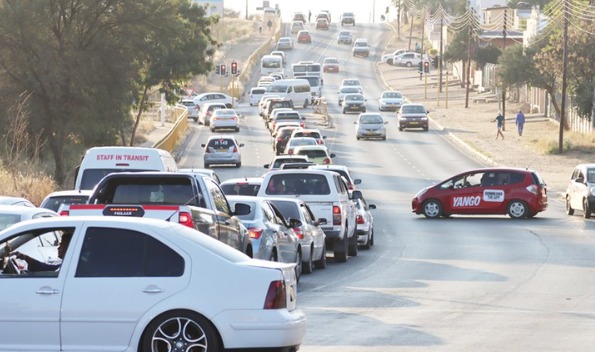
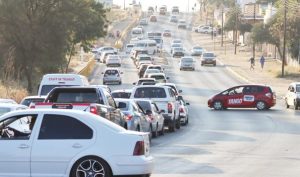
Namibia’s rising transport costs are putting pressure on household budgets, with transport prices increasing at the rate of 14.9% in September 2026, according to the Namibia Statistics Agency.
The figures point to a growing cost-of-living challenge for workers, businesses and consumers.
According to the NSA’s September 2026 Namibia Consumer Price Index (NCPI), annual inflation rose from 3.5% in September 2025 to 5.4% in September 2026.
This means prices are rising faster than they were a year ago, leaving consumers with less money to spend on other needs.
Transport was the biggest driver, contributing 2.2 percentage points to overall inflation. The division’s annual inflation rate jumped to 14.9%, from 1.3% a year earlier.
The NSA said the increase was mainly linked to the cost of operating personal vehicles, including petrol and diesel, which recorded annual inflation of 30.4%. Public transport services also became more expensive, with inflation reaching 15%.
The increase is likely to affect more than motorists. Businesses that depend on transport to move goods may face higher operating costs, which can put further pressure on prices paid by consumers.
Standard Bank Namibia group economist Helena Mboti previously warned that transport inflation remained exposed to international oil prices and geopolitical developments.
She said rising oil prices could continue to put pressure on transport costs, while weather conditions linked to El Niño could also push food prices higher.
The pressure is also felt by ordinary households.
This October, Jakobin Kalola, a Shoprite attendee in Ondangwa, told The Villagers Newspaper that rising food, transport and accommodation costs were forcing her to move from a very expensive rental premises to another one.
“It is better to rent cheap and have enough transport money to go to work than renting in a very expensive apartment,“ she said.
Kalola said that, by all means, she has to carry a lunchbox to work to save money.
She also considered walking to work, and that is one of the reasons she got a very affordable rental space close to work to cut on transport expenses.
Labour concerns have also been raised by Metal and Allied Namibian Workers Union general secretary Angula Angula, who previously said wages were too low to cover workers’ basic living expenses.
Angula called for unions to return to wage negotiations as workers struggle with transport and accommodation costs.
Housing costs remain another concern.
The NSA reported that housing, water, electricity, gas and other fuels recorded annual inflation of 4.2%.
The division carries the largest weight in the consumer basket at 28.4%, meaning changes in these costs have a strong effect on household budgets.
Food inflation, however, slowed to 4.0% from 4.9% a year earlier.
Meat inflation fell to 3.3% from 8.1%, offering some relief to consumers, although fruit prices rose by 14.4%.
The monthly inflation rate also eased to 0.4% in September, from 0.6% in August. However, this does not mean prices fell. It means they increased at a slower pace.
The figures show that transport remains the main pressure point in Namibia’s cost of living. With wages already stretched, continued increases in fuel and travel costs risk leaving households with less money for food, rent, education and savings.
penny@eaglefm.com.na