

By: Staff Reporter
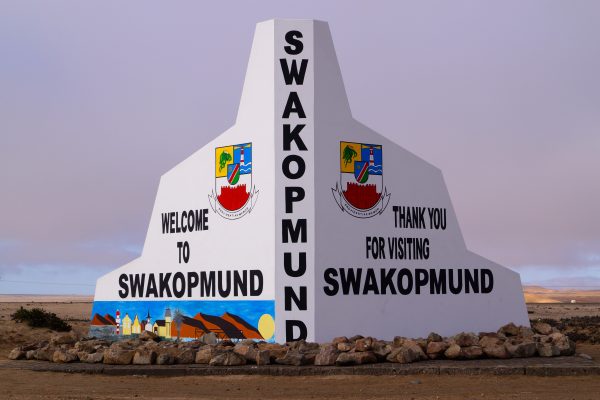
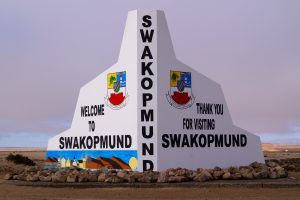
According to analysis by urban development specialist Francisco Neshila on Swakopmund’s Property Market, Swakopmund recorded 8,209 property transactions over the last decade with a cumulative transaction value of N$8.93 billion.
The market currently reflects a median residential property price of approximately N$650,000, while serviced land averages are at N$1,040 per square metre.
Neshila said that Swakopmund has emerged as one of Namibia’s strongest-performing property markets, outperforming many other towns through consistent land delivery, strategic planning and an efficient local authority.
“Whatever Swakopmund is doing, other towns need to pay attention,” he said.
He added that the municipality’s ability to process development applications has helped attract both local and external investment.
According to the analysis, property transactions have increased steadily since 2021, reaching 968 sales in 2024, the highest annual figure recorded during the review period.
Although only 245 transactions had been recorded for 2026 at the time of analysis, Ndeshila expects the figure to increase before year-end.
The report projects for the expansion of the property market, estimating annual transaction values of approximately N$1.5 billion in 2026, N$1.9 billion in 2027, and N$2.4 billion by 2028.
The figures reflect confidence in Swakopmund’s long-term investment prospects.
Neshila attributed the positive outlook to several factors, including the town’s tourism industry, surrounding mining activities, efficient municipal administration and increasing private sector participation in development planning.
He noted that Swakopmund has consistently approved township developments and building plans at a much faster pace compared to other local authorities.
Despite the encouraging figures, Neshila cautioned that Swakopmund continues to face significant housing challenges.
He estimated that between 17,000 and 23,000 residents remain on the municipal housing waiting list, highlighting the urgent need for additional land delivery and housing development.
He further referenced recent research suggesting Namibia’s overall housing backlog may be substantially higher than previously estimated, potentially exceeding 770,000 housing opportunities nationwide.
Beyond market performance, Neshila raised concerns over increasing social and economic segregation within Swakopmund.
Neshila argued that the town is gradually developing into a “class society,” where high property values, concentrated ownership of commercial assets and limited access to housing are widening inequalities between affluent residents and lower-income households.
He called on policymakers and planners to address these structural challenges before they become more entrenched.
The discussion also highlighted the growing influence of short-term rental platforms such as Airbnb.
According to the insight, the rapid expansion of short-term accommodation is reducing the supply of long-term rental housing while creating disparities between traditional accommodation establishments and private Airbnb operators.
He recommended that local authorities, the Namibia Tourism Board and relevant government institutions develop regulations governing Airbnb operations and taxation to promote fairness within the property market.
Looking ahead, Neshila said planned investments including the proposed Welwitchia University development, expected to attract more than 1,000 students and staff, could further stimulate demand for housing, retail services and commercial property in Swakopmund.
He encouraged prospective investors to study market data carefully and consult property professionals before making investment decisions, emphasising that understanding property cycles remains essential for long-term success.
While acknowledging challenges relating to affordability, land delivery and social inclusion, Neshila maintained that Swakopmund remains one of Namibia’s most promising property investment destinations, with strong fundamentals supporting continued growth over the coming years.