




Photo: Contributed
By; Annakleta Haikera
The proposed National Policy on Micro-Credentials seeks to recognise skills acquired outside traditional qualifications.
The Namibia Qualifications Authority (NQA), in partnership with the German development agency GIZ, revealed this week during a consultation workshop in Rundu this week as they gather stakeholder input.
The consultation aims to shape a national framework that recognises practical competencies, strengthens quality assurance and responds to the changing skills demands of the labour market.
Speaking at the workshop, Kavango East Regional Council Chairperson Stefanus Sinonge, representing Governor Hamunyera Hambyuka, called for a practical, inclusive and quality-assured policy that responds to the needs of Namibians and regional economies.
“May your deliberations help shape a practical, inclusive and quality-assured framework that responds to the needs of our people and our economy,” Sinonge said.
NQA Executive for Qualifications Joseph Amunyela said the proposed policy aims to strengthen the quality assurance and recognition of skills and competencies acquired outside traditional qualifications.
Women entrepreneurs highlight skills recognition
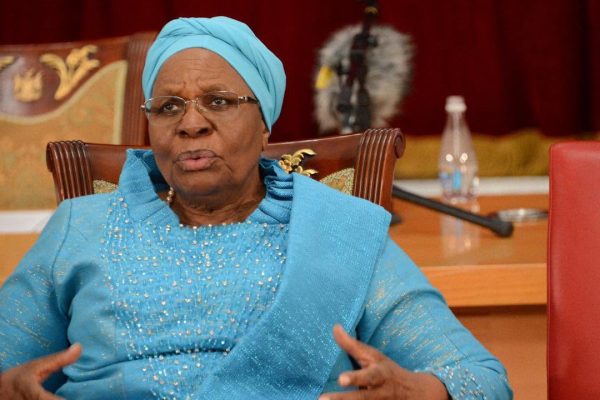
Maria Mukonda, an entrepreneur, said recognising micro-credentials could help women demonstrate their abilities and access new opportunities.
“Many women have practical skills but lack formal qualifications to prove what they can do.
Recognising these skills could open doors to employment, business opportunities and further training,” she said.
Another woman in business said accessible skills development could help women strengthen their enterprises and respond to changing market demands.
“Women entrepreneurs need opportunities to acquire relevant skills and improve their businesses. A policy that recognises practical learning could help us grow and become more competitive,” she said.
The NQA and GIZ invited institutions of higher learning and training, employers, young people, councillors and other interested stakeholders to participate in the Rundu consultation on 14 October 2026.
Further consultations were scheduled for Katima Mulilo in the Zambezi Region and Kavango West on Thursday, 15 October 2026, providing additional opportunities for regional stakeholders to contribute to the proposed policy.
Stakeholder contributions are expected to inform a framework that balances accessibility with credible quality standards, ensuring that micro-credentials are meaningful to learners, training providers and employers.
The success of the proposed policy will ultimately depend on its ability to translate recognised skills into practical opportunities for Namibians to improve their employability, pursue further training and contribute to local economic development.
annakletahaikera@eaglefm.com.na