



By: Nghiinomenwa-vali Hangala
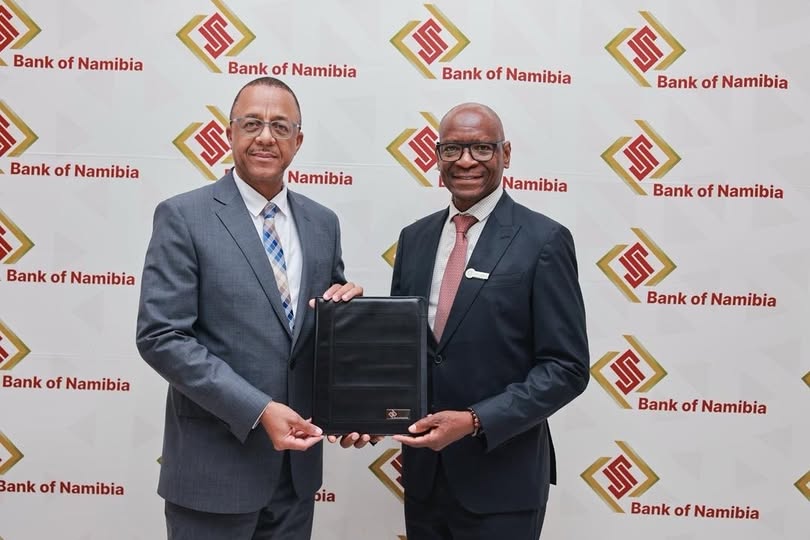
The Bank of Namibia (BoN) has signed a gold purchase agreement with QKR Namibia Navachab Mine for its reserve management. The central bank announced this yesterday in fulfilment of its 2025 decision to make gold part of its reserves in addition to foreign currency, mostly the US Dollar.
Gold will form 3% of these reserves. For the past four months (October 2025 to January 2026), Namibia has exported N$10.2 billion worth of unrefined gold bullion to South Africa.
In a statement released by BoN, the agreement provides for the structured purchase of domestically produced gold, in line with international reserve management standards and the Bank’s long-term strategic objectives. The Bank’s gold acquisition programme aims to strengthen the composition of reserve assets, enhance financial resilience, and support the country’s capacity to respond to external shocks.
As a gold-producing nation, the Bank explained that this approach also supports the retention of national resources and aligns with its mandate to safeguard macroeconomic stability and promote national economic interests. Moreover, gold possesses other desirable characteristics that makes it suitable for inclusion in a foreign reserve portfolio. These include providing the aforementioned macroeconomic stability during economic shocks, hedging against inflation, and serving as a store of value, stated the central bank.
The gold acquisition programme will be held on a phased basis, supported by established governance structures, risk management processes, and operational safeguards.
According to BoN governor, Ebson Uanguta, the approach will ensure that acquisitions are undertaken prudently, with due consideration to market conditions and institutional readiness. Uanguta has, however, not mentioned how much will be procured in each phase, and since the country has no refinery, whether the Bank will merely stock up on unrefined products.
Speaking at the agreement signing, Navachab Mine managing director, George Botshiwe, said when industry and institutions work together with clear intent, the country is able to move beyond extraction and towards meaningful, long-term value creation. He said the mine is proud to partner with the Bank of Namibia on the reserve supply initiative, which underscores the vital role that public-private partnerships play in advancing sustainable development.
As part of the central bank’s evolving foreign exchange reserve management strategy, it announced in May last year that it would be accumulating gold to diversify and strengthen the country’s reserve assets by allocating 3% of its foreign exchange reserves to gold, a move it says is aligned with global trends in central banking.
Gold is regarded as a strategic asset that preserves value during periods of inflation and economic uncertainty.