




By: Mathias Hangala
The Ekoka Green Scheme in the Ohangwena Region is projected to create between 2,000 and 5,000 jobs once fully operational later this year.
This was revealed by Okongo Constituency Councillor, Lebeus Efraim Shipindo.
Shipindo spoke to Eagle Media House last week following allegations that approximately 200 workers stationed at the project site had not received their salaries since January.
According to the source sharing said allegations, the workers were only paid on 29 May, shortly before the President’s visit to the project the next day. The source also questioned whether such delays would become a recurring issue.
Responding to the allegations, Shipindo said the delay was caused by the late submission of bank account details by some workers.
He explained that employees had been requested to provide their banking information well in advance, but failed to do so on time, resulting in delayed payments.
However, he shared that the matter has since been resolved and that workers will receive their salaries on schedule going forward.
Shipindo further explained that there are four agricultural fields in the Okongo area – Ekoka, Oshana, Onamatadiva, and Eendobe – which were established by the Finnish as early as 1972.
The original objective was to assist San communities by teaching them agricultural production and improving food security.
The concept of transforming Ekoka into a green scheme was later presented to the Ministry of Agriculture.
Land-clearing activities commenced about four years ago, while government drilled three boreholes, each approximately 300 metres deep, reaching the Ohangwena-II Aquifer to secure a reliable water supply for the project.
According to Shipindo, the current workforce consists of approximately 200 individuals, including 150 local youths and 50 descendants of liberation struggle veterans.
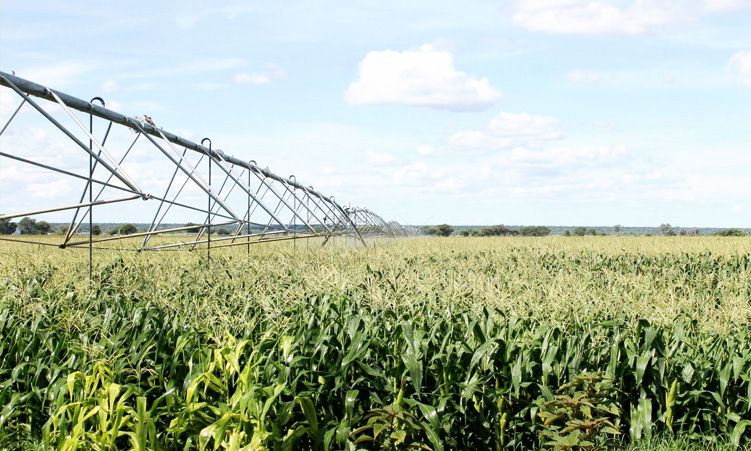
The Ekoka Green Scheme is a 140 to 195-hectare irrigation project located in Ekoka village, east of Okongo in the Ohangwena Region.
The initiative aims to boost local food production, create employment opportunities, and strengthen Namibia’s food security.
The Ministry of Agriculture, Fisheries, Water and Land Reform (MAFWLR) has allocated between 140 and 195 hectares of land for the project, converting previously underutilised land into productive farmland.
The initiative forms part of government efforts to increase agricultural output, improve nutrition, and reduce dependence on imported food products.
The scheme will rely on borehole irrigation sourced from the Ohangwena-I and Ohangwena-II aquifers. Soil and water analyses are said to have confirmed the suitability of the area for cultivating a variety of crops.
Planned production includes vegetables such as tomatoes, green peppers, onions, and potatoes, with potato production expected to help reduce imports and meet growing domestic demand.
Beyond food production, the project is expected to generate employment opportunities, particularly for young people in the region.
Training programmes for local farmers will also be introduced to enhance agricultural skills and ensure sustainable production.
Moreover, the initiative is expected to improve access to fresh produce for surrounding communities, reducing the need for residents to travel long distances in search of healthy food options.
Increased local food production will contribute to improved livelihoods while supporting Namibia’s food self-sufficiency goal.