




By: Annakleta Haikera
Kavango West Regional Farmers Union (KWRFU) Chairperson Johannes Hausiku says local farmers should be the first to benefit from existing markets instead of competing with imported beef.
The union pushes for urgent government intervention to address challenges threatening communal farming in the region.
Hausiku made the remarks during an interview with The Villager following a courtesy visit to Kavango West governor Verna Sinimbo on Thursday, where the union presented key concerns identified during recent visits to farms across the region.
The delegation was accompanied by the Chairperson of the Kavango West Horticulture Association.
According to Hausiku, the farm visits were aimed at assessing farming activities, engaging directly with producers and identifying the major obstacles limiting agricultural production.
Among the key concerns presented to the governor were budget constraints and limited stakeholder cooperation.
Moreover, the sale of communal land to outsiders through speculators, illegal fencing that has reduced grazing land, limited access to finance for communal farmers, inadequate storage and processing facilities in the regions.
The delays in implementing the Equalisation Fund for Northern Communal Areas (NCA) farmers, and the lack of land for the union’s regional office has also been cited.
Hausiku also questioned the continued importation of beef in the regions despite government policies promoting local procurement, saying local livestock farmers should be prioritised and given access to existing markets.
The union further called for the implementation of outstanding resolutions adopted during its 2023 congress.
These include strengthening farmer membership, establishing collection centres and demonstration plots in every constituency, expanding contract farming opportunities, and creating an agricultural donor funding.
At the same time, improving transparency in Meatco load allocations and reviving the Mangetti cattle quarantine facility.
The farmers have indicated that the mandate of the Alex Muranda Livestock Development Centre should be reviewed, and for the deployment of DAPEES staff to better serve farmers within the region, and access to tractors for off-season horticulture production.
Receiving the delegation, Sinimbo commended the Farmers Union for its proactive leadership and commitment to engaging farmers at the grassroots level.
She described agriculture as the backbone of rural livelihoods and a key driver of economic growth, employment creation and sustainable development.
Sinimbo reaffirmed the Office of the Governor’s unwavering support for initiatives that empower farmers, strengthen agricultural production and promote collaboration among stakeholders.
She further encouraged farmers to remain united, embrace innovation and continue working together to build a resilient and prosperous agricultural sector for the benefit of present and future generations.
According to the region’s leaders, agriculture remains the backbone of the economy in the Kavango East and Kavango West regions, where the majority of rural households depend on crop farming and livestock production for food security and income.
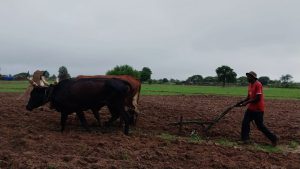
Farmers mainly cultivate mahangu (pearl millet), maize, sorghum and beans, while cattle, goats and sheep remain an important source of livelihood and household wealth.
Despite the sector’s importance, farmers continue to face recurring challenges, including prolonged droughts, floods, animal diseases, poor market access, limited access to finance, inadequate storage and processing facilities.
Human-wildlife conflict and increasing cases of illegal fencing and land disputes also continue to reduce grazing land for communal farmers.
The government has introduced programmes such as agricultural input subsidies, Green Scheme projects, extension services and livestock marketing initiatives.
Farmer organisations have repeatedly called for faster implementation of support programmes, improved infrastructure, greater access to agricultural equipment and finance, and stronger policies that prioritise local producers to strengthen food security and drive economic growth in the region.