


By: Loise Shiimi
Helena Adreas, who decided to eliminate processed foods from her diet, started a backyard garden in 2021, planting tomatoes, green peppers, and various other vegetables solely for household use.
However, after receiving enquiries from neighbours about purchasing her produce, she was inspired to find a larger piece of land in the Omusati Region and expand her vegetable cultivation for commercial purposes.
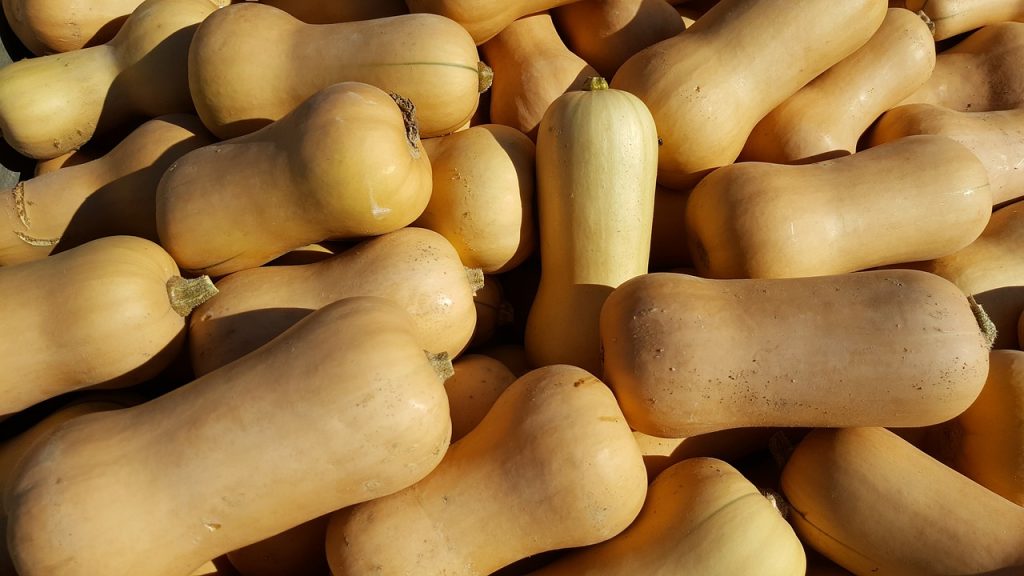
In an interview with Eagle FM, Adreas revealed that she secured a 2-hectare plot of land, which she divided into four sections to grow different crops. “The butternut squash is the latest harvest; I collected 100 10kg bags, which I sold within a day. We anticipate harvesting more butternut end of April,” she explained.
Adreas shared that she planted butternut on 6 January 2026, emphasising her commitment to using organic fertilisers and compost instead of inorganic options.
“I harvested in March and advertised the produce. Many people came to buy, and in just one day, I sold all 100 bags, leaving many customers asking if I had additional stock. This highlights the significant demand, which I couldn’t fully meet,” she noted.
She expressed the need for better education among farmers about the importance of avoiding pesticides and the benefits of training to enhance crop quality.
“To ensure that you produce high-quality products, it is essential to focus on organic farming and learn how to create your own compost, which will improve yields and contribute to food security,” she stressed.
Regarding employment opportunities, Adreas mentioned that during busy periods of weeding, harvesting, and planting, she hires seasonal workers, in addition to employing one permanent worker who manages the farm year-round.
“Currently, with more butternut ready for harvest at the end of April, we will need to hire additional workers,” she said.
Her farm also produces sweet potatoes and sweet corn, which are showing promising growth. She also plans to experiment with growing red onions and cabbage in May.
Discussing the impact of excessive rainfall on crops, Adreas shared that her own crops remained unaffected, as she carefully selects crops based on favourable growing conditions for each season.
“As a farmer, it’s crucial to understand which crops will thrive in varying weather conditions,” she advised.
On the topic of value addition, Adreas noted that as she only began last year, she is still learning and exploring ways to add value to her crops, stating that this is an effective strategy for increasing income rather than merely selling raw produce.
She encouraged more farmers to pursue agriculture, noting that while there is a high demand for various products, there aren’t enough producers, leading to increased imports of crops that could be grown locally.
“Start small and gradually scale up to commercial production. Personally, what keeps me motivated is my involvement with the Namibian Agronomic Board, which provides valuable information about farming and assists with market connections. I encourage all farmers to join the board to gain essential knowledge in agriculture,” she said.
Meanwhile, during Wednesday’s State of the Nation address, President Netumbo Nandi-Ndaitwah shared insights on the performance of the agricultural sector.
During the reviewed period, Namibia exported agricultural products valued at N$2 billion, totalling approximately 90,000 metric tons. Of this amount, 62% comprised table grapes, while 14% were tomatoes.
The President also indicated that local fruit production has grown from 4% to 6%. Namibia holds a 56% market share in vegetables, valued at N$323 million, compared to imported vegetables at 44%, valued at N$257 million.
“The country increased its white maize production from 33,000 metric tons to 69,541 metric tons by the end of the 2025 marketing season, accounting for 31% of total national consumption,” she noted.
Regarding green schemes, Nandi-Ndaitwah highlighted progress made, stating that a total of 6,758.65 metric tons of maize were harvested from 1,133.38 hectares during the review period, generating N$56.9 million.
Additionally, 609 hectares of wheat were planted, yielding N$10.5 million.