
Photo: Contributed
By: Dwight Links
Namibia’s hospitality sector continues to go from strength to strength in recovery from the COVID induced slump..
This was evident in reports recently released by the Hospitality Association of Namibia (HAN).
Gitta Paetzold from HAN said that the sector in the industry is showing stable to positive growth.
“This growth is in comparison to 2025 and even 2019. The national average room occupancy rate in Namibia for the third quarter of this year reached almost 66.5%, which is over 1% higher than last year, and even 2% higher in 2019 for the same period,” she described.
The data reveals that tourists are booking into outlets on the upper scale of comfort and that these bookings depict more appetite for these establishments.
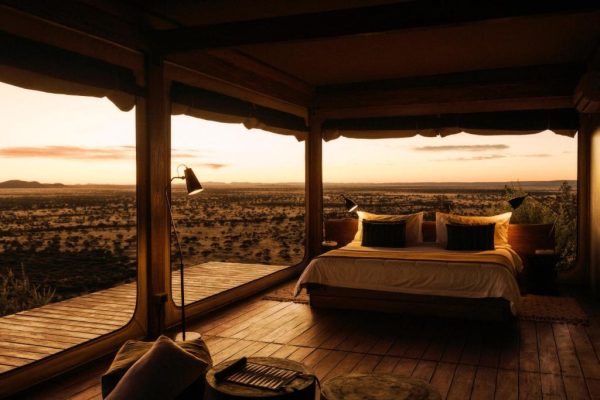
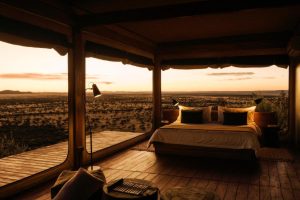
“The 2026 tourism accommodation figures reveal that while overall arrival numbers of travelers to Namibia may be declining, occupancies in the more luxury and high-end establishments are stable and even growing,” the latest data reveals.
Yet, Paetzold described that the data analyzed is room and bed occupancy statistics on submissions from commercial, well-established accommodation entities throughout the country.
Many of these hospitality operators are from the high-end bracket of operators providing overnight stay facilities to visitors.
According to HAN, these operators have direct positive contributions to the conservation efforts in the country.
TRENDS OF TRAVELLERS
The current global travel trend is providing a benefit for the local tourism accommodation sector in the country, as it is about visitors aiming for meaningful encounters coupled with enjoying authentic experiences.
“The tourism attraction is no longer just a beautiful hotel or lodge with all amenities and comfort, but rather the experiences and engagements enabled by the establishments during the visitors’ stay,” HAN outlined in the data.
Most notably of the trend that the sector representative describes are those entities who pay attention to these trends and invest timely to capture the markets at the right time.
“High performance and occupancies are thus still enjoyed by those businesses that invest in and support meaningful conservation and community support initiatives, and these high-end, luxury establishments thus are an important addition to Namibia’s traditionally strong middle-market,” she stated.
Adding extra-dimensional approaches is required to bridge the gap between tourism, accommodation and conservation.
Paetzold outlined that a major underestimation of this three-dimensional economic ecosystem persists.
“Sadly, their contribution to not only national tourism earnings, but the conservation efforts to protect wildlife, conservation and community development are often underestimated and overlooked.”
Citing the latest Living Planet report of the World Wildlife Fund (WWF), Paetzold points to the recognition by this major non-governmental organisation of these exact efforts of partnering tourism with community development and conservation.
Specifically, the earnings made through tourism directly fund activities in the other two.
The 2026 report reveals that although the losses of fauna and flora species and natural habitat still outweigh the gains overall, conservation success stories from all over the world show that it is possible to reverse the trend, with some shining examples from southern Africa of positive recovery.
Specifically, from that report, southern Africa achieved the best outcome of elephant population that is currently standing at 290,000 and more in the Kavango-Zambezi Transboundary area.
The trends analysis highlights that Namibia’s tourism economy is based on wildlife, wilderness, landscapes and open spaces.