



Author: Josef Kefas Sheehama
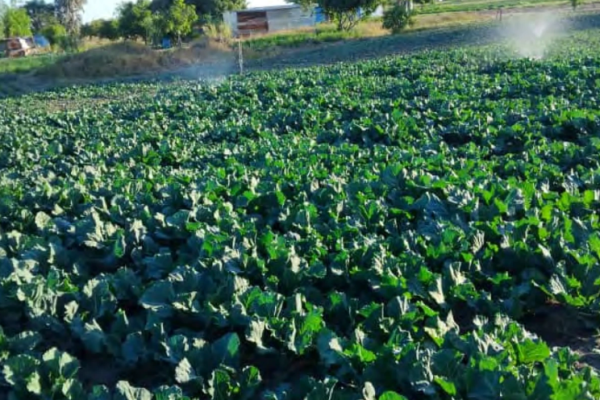
The Green Scheme Projects: Re-evaluate to Determine Best Possible Modalities in Namibia
By:Josef KefasSheehama The Namibia Agriculture Policy is the overarching policy and can serve as a base for aligning existing policies, laws, and regulations. The policy presents a framework for the design of programmes and projects that will steer the performance…
The Russia-Africa Summit And BRICS: What It Means For Namibia’s Economy And Africa
By:Josef Kefas Sheehama The Russia-Africa Summit ran from 27-28 July under the theme, “For peace, security and development” and was attended by 17 Heads of State including representatives of 49 of the 54 African nations. Furthermore, according to WION…
Macroprudential Policy: An Analysis of Effectiveness and Interaction in Namibia
By:Josef Kefas Sheehama The Bank of Namibia held its Macroprudential Oversight Committee (MOC) on 10 July 2023, to assess risks and vulnerabilities faced by the Namibian Financial System. The Committee emphasised continued monitoring of inflationary pressures and geopolitical tensions, which…
NCCI State of Business Address: The Case For Redefining Trade Policy Reform
By:Josef Kefas Sheehama The Namibia Chamber of Commerce and Industry (NCCI) hosted the first-ever Namibia’s State of Business Address on 26 June 2023. This was under the theme: ‘Private Sector’s Ordeals and Triumphs – Paving a Way for Public-Private Partnership….
Creating Effective Policies to Address Economic Challenges
By:Josef Kefas Sheehama Government periodically sets policies as corrective measures for the volatile economy. It is imperative that policymakers encourage economic growth by implementing policies that promote investment, innovation, and entrepreneurship. Thus, the government can help create a favourable business…

Proposed Consumer Credit Draft Bill: What Does it Mean to Namibians?
By: Josef Kefas Sheehama There is a strong conviction that key stakeholders have the will and the capabilities to develop a robust credit market that will deliver on consumer's rights inclusion. Therefore, there is a need for legislative reform of…
Avoid Single Country Concentration Risk
By:Josef Kefas Sheehama Namibia is an upper-middle-income country. It relies on mining, agriculture, and fishing. Uncertainty may remain, but it can be transformed into planned uncertainty, with no surprises and with contingency plans in place. The Covid-19 pandemic and the…
Opinion: High Unemployment Affects the Economy
By:Josef Kefas Sheehama As the world observed the 2023 May Day celebration, workers in Namibia lamented over unfair labour practices, like casualisation, and non-payment of minimum wage by some employers- under the theme “Workers United in Ensuring Productivity for National…
Hike Fuel Levy Not Solution, Tollgate Not Economically Viable, RFA Find Alternative
By:Josef Kefas Sheehama The fuel levies are unfortunately intended to target motorists’ pockets, but in most cases, the poor are affected the most. OPEC is considering an oil cut of about 1.15m barrels. As such, Namibians see themselves being caught…
SMEs Between Devil And Deep Sea
By:Josef Kefas Sheehama Small and medium-sized enterprises (SMEs) are the engine of worldwide economies and the main source of job creation. The contribution of the SME sector to the Gross Domestic Product (GDP) is between 12% to 20% and the…