





By: Loise Shiimi
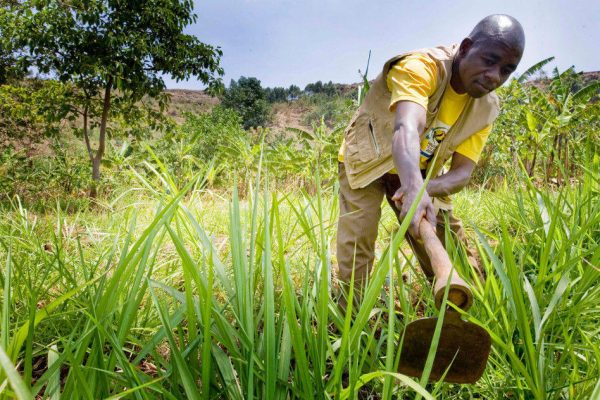
Asser Nghipewa, a farmer from Okongo in the Ohangwena Region who is currently busy harvesting butternuts and tomatoes, recently shared with The Villager that he began harvesting in early January and has so far generated approximately N$46,000 from his crops.
“I planted half a hectare of butternuts and a 40m-by-40m plot of tomatoes. We’ve harvested 300 bags of 10kg of butternuts, which are already sold out, generating N$20 000, and 40 crates of tomatoes, generating a total of N$26,000, along with a few tomatoes remaining,” he explained.
Nghipewa has chosen to cultivate the Waltham variety of butternut, which he describes as the best choice as it yields small, medium, and large-sized crops, allowing customers to purchase their preferred size.
“Before you begin planting, it’s essential to conduct research or surveys to gather information about the types of butternuts or crops that your customers prefer. You shouldn’t plant blindly; understanding consumer preferences is crucial for success,” he advised.
Adding on to customers’ preferences, he shared that butternut varieties differ in taste, noting the importance of identifying which type is favoured by the majority of customers.
Regarding the growth period, he mentioned that butternuts take approximately two months to mature, indicating that he planted in November and started harvesting in early January.
“We chose to plant butternuts in November because we learned that they do not thrive in excessive rainfall or water. I understand that not every farmer is willing to take this risk, but I anticipated strong demand since many farmers in Okongo did not plant butternuts,” he stated.
When it comes to tomatoes, Nghipewa opted for Roma tomatoes, which are known for their longevity even after harvest. The tomatoes were planted at the end of October 2025, with harvesting done early last month.
Speaking on his harvesting and storage practices, Nghipewa revealed that he does not harvest all crops simultaneously to minimise losses.
“We harvest small quantities and sell them in the town of Okongo. This strategy has proven effective; we have never faced a situation where we couldn’t make sales. Even with tomatoes, we harvest in small batches, selling as we go until we have completed the harvest,” he shared.
He added that while they may need a storage facility in the future, they are currently making do with their existing system of selling directly from the field.
Nghipewa encourages the public to enter the farming sector, expressing that he has more customers than he can supply.
“At the moment, customers frequently enquire if I have watermelons, which I currently do not have. If only one more farmer I know would step in and grow watermelons, I could refer these customers to them,” he said.
Nghipewa emphasised that food security can be addressed through concerted efforts in the nation’s food production. With that, he encourages aspiring farmers to start small but remain hopeful. “I’m not saying farming is without challenges, but if you maintain hope and seek knowledge and proper training, you will become a successful farmer and thrive,” he added.
This month, the Namibian Agronomic Board (NAB) closed its borders to the importation of butternuts, indicating that local farmers have produced enough to meet the domestic demand.