





By: Dwight Links
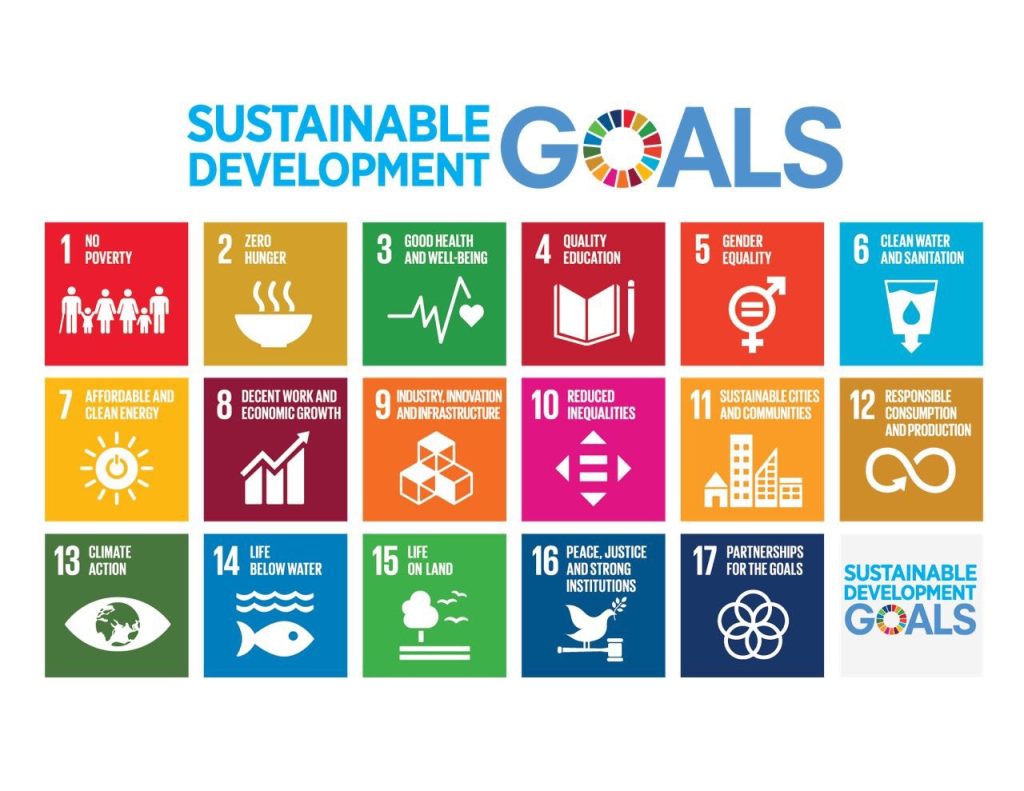
The United Nations’ Secretary-General’s report tells a story that has been haunting nations past the 2020 mark – the rate of Sustainable Development Goal implementation.
In his July 2026 report to the Economic and Social Council in the UN, Antonio Guterres describes the progress as a mixed bag.
“Of the 139 targets of the Goals with available trend data, 36% are on track or making moderate progress. Nearly half (49%) are making only marginal progress, while 15% have regressed below the 2015 baseline,” Guterres explained before the council.
He added that the progression across the world has not been an even landscape, which have all experienced various global shocks and impacts since the COVID-19 pandemic.
“Progress remains deeply uneven across the Goals and among countries, hampered by successive shocks, interconnected crises and escalating conflicts. Unmet financing targets risk putting many targets beyond reach,” Guterres added.
The 2026 SDG report paints a picture of how important data analysis has become for keeping track of where the implementations are.
The Secretary-General has also acknowledged that the past 10 years have demonstrated the critical role official statistics play in addressing the world’s biggest challenges.
From guiding responses to disease outbreaks and monitoring climate impacts to measuring poverty reduction and strengthening transparent governance, quality data and statistical systems have been essential infrastructure in a decade of unprecedented change.
The report outlines the 10 years as being critical to gaining insights on progress made or halted.
According to the report, monitoring the SDGs has been central to this effort.
“Through a shared global language for development, it has expanded data availability, strengthened national statistical systems, exposed inequalities and built public trust – enabling governments and societies to make more informed decisions and develop better-targeted policies and resource allocations,” the report explains.
POSITIVE GAINS
Guterres’s own report highlighted that positives were seen in recent analysis since the COVID pandemic.
“Notwithstanding growing challenges, progress continues across many targets. Social protection coverage continues to expand significantly, with more than half of the world’s population now benefiting from at least one form of protection,” he added.
According to Guterres, sustained investment in disaster risk reduction has delivered tangible results.
“These include disaster-related mortality that has declined by 65% from the previous decade and the number of countries adopting national disaster risk reduction strategies has increased to 141,” he said.
Guterres, the outgoing Secretary-General whose term ends on 31 December 2026, noted that a more positive picture also exists of the real progress that member nations have been making.
“Given that the present report aggregates global trends, it masks meaningful advances at the regional and national levels,” he noted.
As of 2024, 134 countries had already met the target on under-5 mortality, with 6 more countries expected to do so by 2030, and 59 countries had eliminated at least one neglected tropical disease by the end of 2025,” the report acknowledged.
The UN says that these successes, driven by sound policies, strong institutions and inclusive partnerships, are demonstrating that progress is not only possible, but is already happening.
CHALLENGES
The challenges still persist in the world despite some of the gains that were mentioned.
“The pace of advancement remains insufficient or has even regressed in many areas. Some 1 in 10 people globally still live in extreme poverty,” Guterres added.
The global hunger dimension has declined, but there are still concerns that persist.
After peaking in recent years, the global hunger rate declined slightly in 2024, to 8.2% of the world population, although undernourishment and food insecurity remain above 2015 levels.
More than 150 million children remain stunted, and anaemia affects more than 605 million women of reproductive age, the feedback by the SG highlighted.
As for progress on inequality, Guterres says this metric remains uneven.
“While nearly 60% of countries have seen pro-poor growth, 13% of people still live below half the median income, compounded by a decade-long decline in the global labour income share,” he added.
Pervasive discrimination also affects one in five people, and there has been a sharp doubling of the global refugee proportion since 2015.
The analysis also points to measures to support youth employment that are expanding, with young people still facing a double burden of being nearly four times more likely to be unemployed than adults and more than twice as likely to be the working poor.
This is as the global agency says is underscoring persistent gaps in both access to and quality of jobs.