




Photo: Contributed
By: Annakleta Haikera
The Public Service Commission (PSC) has called on public sector leaders to recognise, reward and motivate public servants to improve productivity and service delivery.
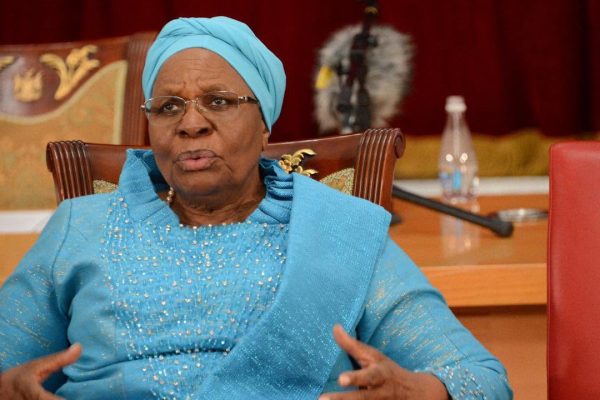
Speaking during a stakeholder meeting with the Kavango East Regional Council and other stakeholders on Monday, PSC Commissioner Habate Doeses said many public servants make significant contributions to service delivery without receiving recognition.
Doeses said the PSC is working with the Office of the Prime Minister and the Namibia Institute of Public Administration and Management (NIPAM) to recognise deserving public servants during Africa Public Service Day.
She also called for the digitalisation and automation of public service recruitment to promote transparency, integrity and equal opportunities for all Namibians.
Doeses stressed that recruitment should be free from ethnic and regional discrimination.
“Let us serve the public service and the public with dignity,” she said.
Meanwhile, the PSC is reviewing audit findings previously communicated to the Kavango East Regional Council and other directorates, including Education and Health, to determine whether identified irregularities have been addressed and what action should follow.
The Commission, led by Chairperson Ambassador Patrick Nandago, is in Rundu on Monday and Tuesday to engage stakeholders, assess compliance with human resource standards and address challenges affecting public service delivery.
During the engagement, Mashare Constituency Regional Councillor Petrus Kashumali called for a fairer and more transparent teacher recruitment system, proposing that unemployed teaching graduates be considered according to the year they completed their studies.
Kashumali said many qualified teachers have remained unemployed for years, leaving graduates frustrated and raising concerns about the future of the teaching profession.
Drawing on his own experience, he recalled that when he was employed as a teacher in 2004, some of his colleagues were appointed in December, while he secured employment only in May.
He proposed that recruitment begin with graduates who completed their studies around 2015 or 2016, with subsequent cohorts considered chronologically as vacancies become available.
Kashumali warned that prolonged unemployment could discourage young people from pursuing teaching qualifications when they see graduates struggling to find employment despite meeting the required academic standards.
Nandago also raised concerns about allegations that job seekers were being paid to secure public service positions, stressing that recruitment must be based on merit rather than payment.
He urged stakeholders to channel complaints through proper procedures while emphasising the importance of the right to reply, as provided for under Article 15 of the Constitution.
Nandago further acknowledged concerns surrounding the management of the regional council, noting that the Commission had taken these issues into account.
The engagements form part of the PSC’s efforts to strengthen accountability, promote compliance with public service standards and address concerns affecting the delivery of government services.
annakletahaikera@eaglefm.com.na