



By: Kandjengo kaMkwaanyoka
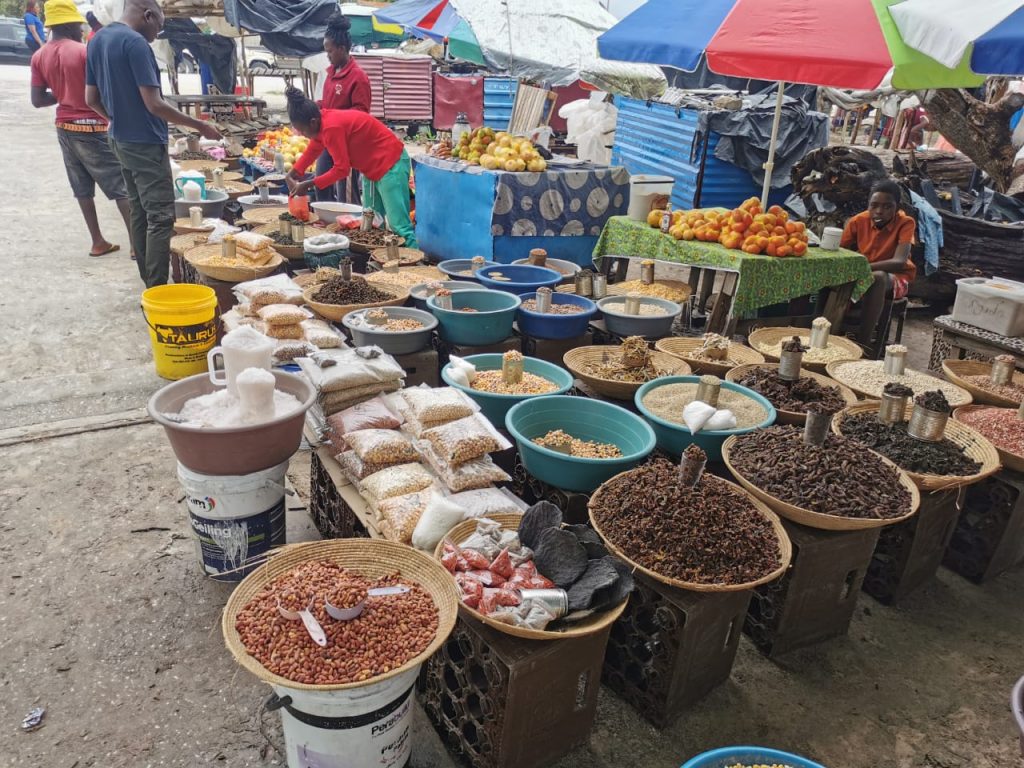
I used to work in Klein Windhoek near Hidas Centre. During my lunch hours, I’d walk to Hidas Centre to the various food and fruit vendors operating there.
Depending on what I need for that day, I usually grab two fat cakes, 2 dollars each, and two slices of jagdwurst, 2 dollars each. At lunch daily, if I have not taken my lunch box, the most I can spend at the food vendors is about 20 dollars.
However, if I go to the retailer nearby for lunch, the minimum I can spend there on food is 50 dollars.
I never appreciated the proximity of food vendors to my workplace, and also for the Hidas Center management for allowing the vendors to operate there.
I have now moved to Southern Industry, at the far end of it, and reality has now hit: there are no food vendors nearby, I pay double to get there daily, and I cannot afford to go to a supermarket to spend a minimum on lunch daily.
Yes, I try to go with a kabaki daily, but working in the southern industrial area while you are staying in Tura also means you will be the last one to go home, given our taxi model of dropping those closer by first.
City of Windhoek buses are not reliable at all. Once you get home, you will be too tired to prepare a meal, and tomorrow’s kabaki (I don’t know how those with kids and pets do it).
Food and fruit vendors are the greatest equalisers in our cruel economic model because they cater to many Namibians who cannot sustainably afford a daily kabaki or lunch from a supermarket.
They package their food/product items in units that cater to low-income individuals: their meat pieces and other energy-giving food items are just priced so well for a hard-working labourer to afford daily.
However, the mainstream economic thinking and planning of our towns and cities despises micro traders to an extent that they do all they can to eradicate them from city centres and all industrial areas.
Local authority leaders, in their ignorance and out-of-touch leadership styles, ignore the country’s statistics that constantly and vividly paint the Namibian inequality and poverty status.
They ignore Namibia’s low average wages and the fact that most Namibians are employed in low-wage-paying jobs that cannot decently sustain them.
There are different ways to cater for everyone and to ensure we all survive decently- enabling access to services, shops, and products in our income range is key.
No matter how fancy the city/town centres, Prosperita, or whatever place is, there are people of different income levels who work there daily.
They must have access to food outlets that cater to their income, especially when everything is now expensive; the food vendors are key in providing affordable packages of food for many hard-working Namibians.
Find ways to accommodate them in your bad infrastructure planning – it’s not their fault, our town planning and infrastructure planning are not responsive, and not inclusive to the economic realities and segments of entrepreneurs we have.
Outside the Ministry of Works and Transport’s offices, there is a cubicle mounted at the remaining space of their entrance, accommodating a vendor.
The mounted cubicle is not part of the Ministry building’s design; however, there is a number of people who work in that building who can sustain that vendor alone.
Our thinking and approach to empowerment needs to change. Namibians are hardworking, and many of them are trying; we just need to be very responsive and creative on how we can enable them to prosper.
The cost of living is high, the wages are stagnant and not responsive, and access to affordable food items for our hardworking Namibians is critical.
A hungry man is not productive.
The food vendors can play a major role in this; we just have to find a little space around our towns and cities’ buildings for them to distribute affordable food items to our workers.
Architectural designs and aesthetics shouldn’t override the livelihoods of our people; productivity is not a matter of skills alone, but access to a decent, affordable meal daily.